English
How Mounting Structure Design Impacts Panel Ventilation and Heat Dissipation
Solar panel performance depends not only on sunlight exposure but also on temperature management. While solar modules are designed to absorb sunlight and convert it into electricity, excessive heat can reduce their efficiency and accelerate long-term degradation. For this reason, the design of the solar mounting structure plays a critical role in maintaining proper panel ventilation and heat dissipation. A well-engineered mounting system allows air to circulate freely beneath and around the panels, helping to regulate temperature and improve overall energy output. Solar panels naturally heat up when exposed to strong sunlight, especially in regions with high ambient temperatures. As the temperature of a solar module increases, its electrical efficiency gradually decreases. In many cases, every degree of temperature rise above the optimal operating level can reduce energy output slightly. This means that overheating panels can produce noticeably less electricity over time. Proper mounting structure design helps address this challenge by creating sufficient space between the panels and the mounting surface, allowing airflow to carry away excess heat.
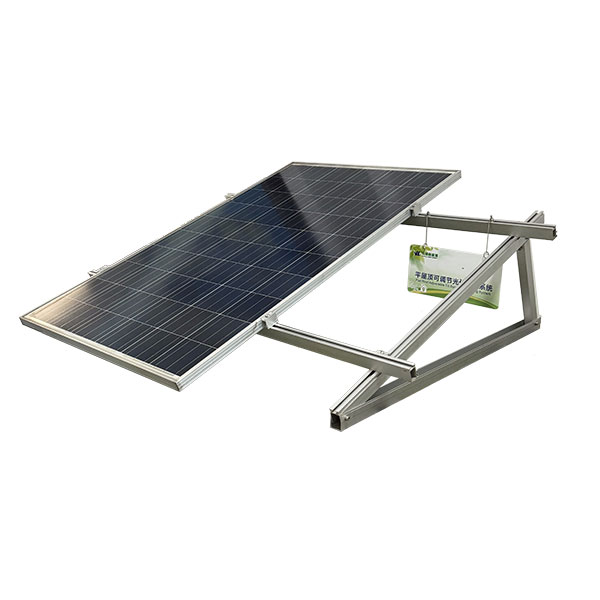
One of the most important aspects of ventilation is the clearance between the solar panel and the roof or ground surface. When panels are installed too close to the mounting surface, air circulation becomes restricted and heat accumulates beneath the modules. Modern mounting systems are designed with optimized spacing that encourages natural airflow. This gap allows cooler air to enter from below while warm air escapes upward, creating a passive cooling effect that improves panel operating conditions. Mounting angle and orientation also influence ventilation efficiency. Panels installed at appropriate tilt angles allow air to move more freely across the underside of the modules. The angled surface promotes convection, where warm air rises and is replaced by cooler air from below. This natural airflow mechanism helps reduce heat buildup during peak sunlight hours. Proper tilt design therefore contributes not only to better sunlight absorption but also to improved temperature regulation.
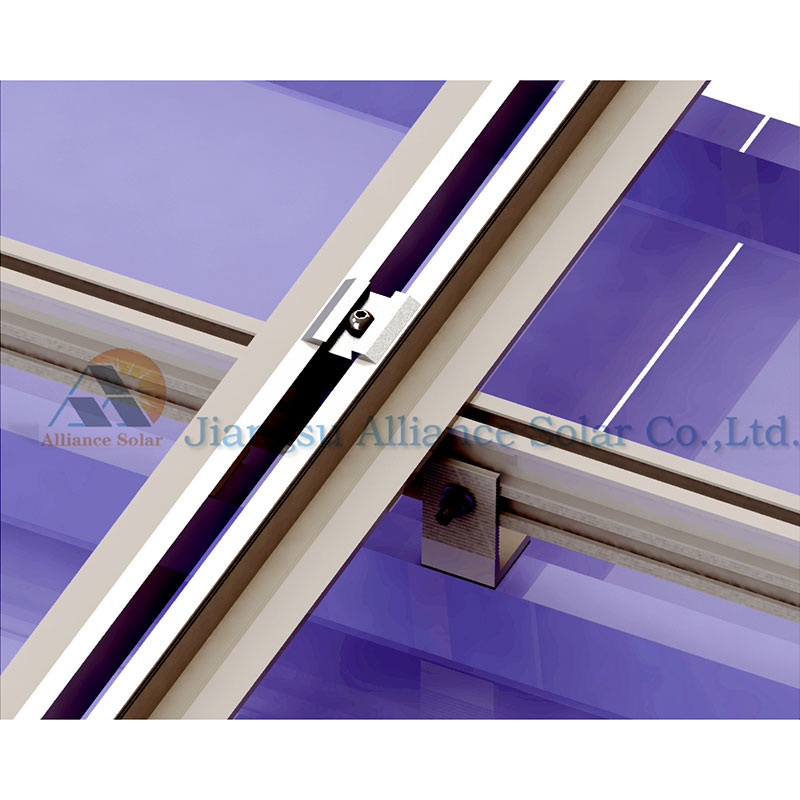
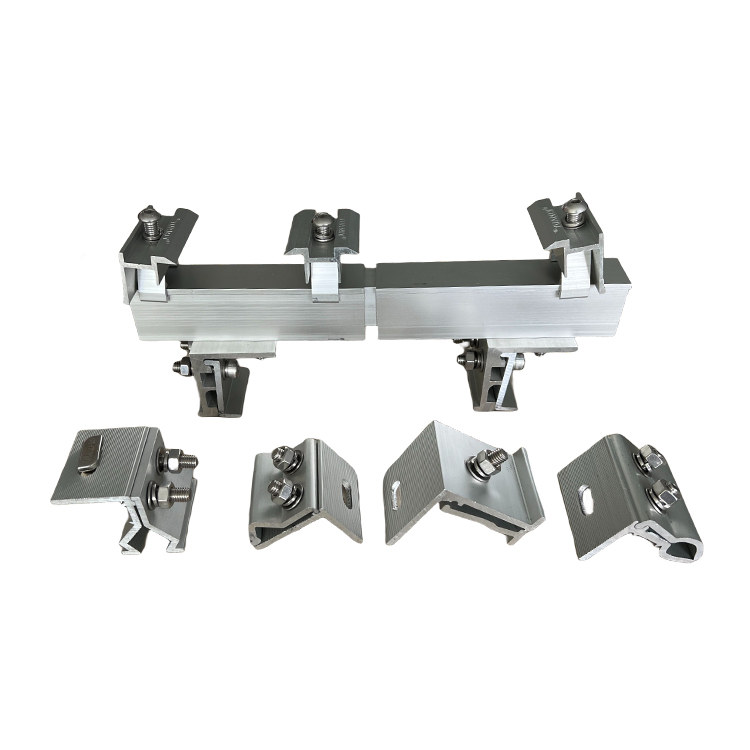
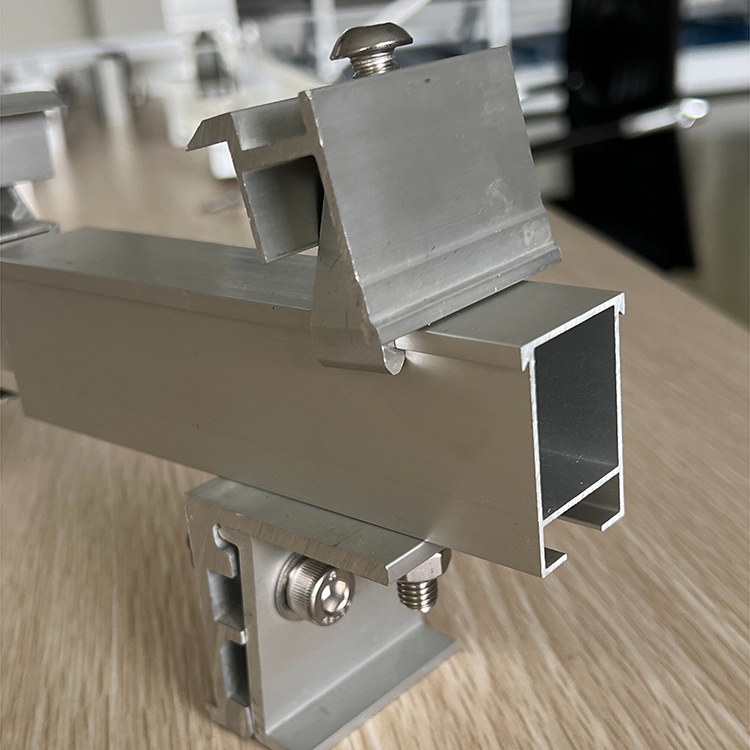
Rail structure and component layout are additional factors that affect heat dissipation. Mounting rails that block large portions of the panel’s underside can reduce airflow and trap heat. Modern mounting systems are designed with streamlined rails and minimal contact areas to avoid obstructing ventilation pathways. By limiting the structural contact points with the panel frame, mounting systems allow air to move more freely beneath the modules and improve cooling performance. Material selection for mounting structures can also contribute to thermal management. Aluminum, which is widely used in solar mounting systems, has excellent thermal conductivity and does not retain heat as heavily as some other materials. This characteristic helps prevent excessive heat accumulation within the mounting structure itself. Additionally, aluminum’s lightweight properties allow mounting systems to maintain structural strength without adding unnecessary mass that could absorb and store heat.
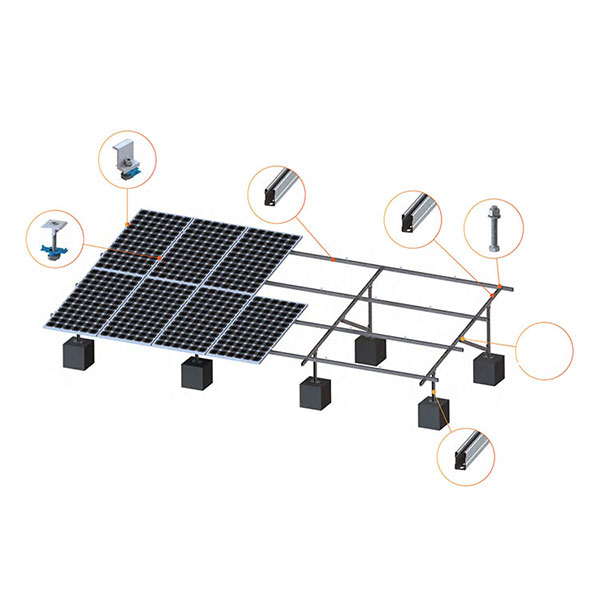
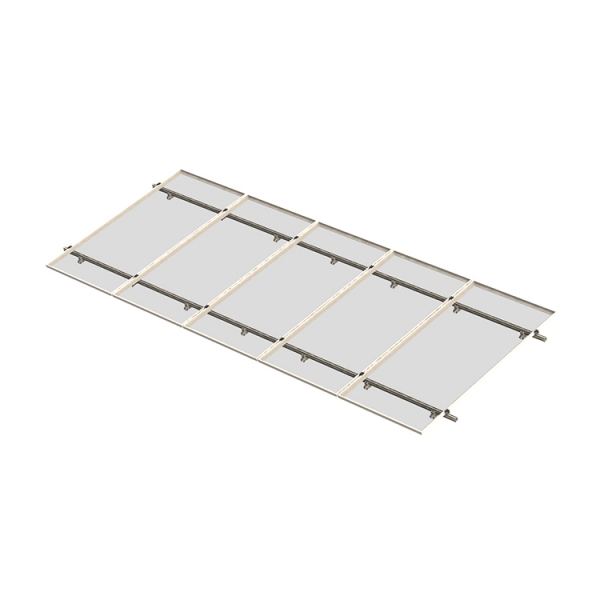
Proper spacing between panel rows is another key design consideration for heat dissipation. In large-scale solar installations, closely packed rows of panels may restrict airflow across the array. Well-planned mounting layouts include adequate spacing to allow wind and natural air movement to circulate through the system. This spacing not only reduces shading but also enhances cooling across the entire solar array. In hot climates such as deserts or tropical regions, ventilation becomes even more important. Solar installations in these areas experience high solar radiation and elevated ambient temperatures throughout the year. Mounting structures designed with enhanced airflow features can significantly reduce the operating temperature of panels, helping maintain consistent performance despite harsh environmental conditions.
Improved heat dissipation also contributes to the long-term reliability of solar modules. Excessive heat can accelerate material aging within panels, including degradation of encapsulation materials, connectors, and electrical components. By promoting efficient ventilation, mounting systems help maintain more stable operating temperatures, reducing thermal stress and extending the overall lifespan of the solar installation. From a financial perspective, better ventilation and heat management translate into higher energy yield and improved return on investment. Even small improvements in panel efficiency can result in significant increases in total energy production over the lifetime of a solar power system. By optimizing airflow and cooling through intelligent mounting design, solar developers can achieve greater performance without increasing the number of panels installed.
In conclusion, mounting structure design has a direct impact on panel ventilation and heat dissipation, which in turn affects solar panel efficiency, reliability, and lifespan. Adequate clearance, optimized tilt angles, streamlined rail structures, proper row spacing, and appropriate material selection all contribute to better airflow and temperature control. By incorporating these design principles, modern solar mounting systems help ensure that panels operate under optimal thermal conditions, delivering stable and efficient energy production for many years.