English
Optimizing Tilt Angle Through Mounting Design to Maximize Energy Yield
Optimizing the tilt angle of solar panels is one of the most effective ways to maximize energy yield in a photovoltaic system. While solar panels capture sunlight to generate electricity, the amount of solar radiation they receive depends greatly on how they are positioned relative to the sun. A well-designed solar mounting structure ensures that panels are installed at the most effective tilt angle, allowing them to absorb maximum sunlight throughout the day and across different seasons. As solar technology advances, mounting system design has become an essential tool in improving energy efficiency and overall system performance. Tilt angle refers to the angle between the surface of the solar panel and the horizontal ground. When panels are installed at the correct angle, sunlight strikes the panel surface more directly, increasing the amount of energy that can be converted into electricity. If the angle is too flat or too steep, a portion of sunlight is reflected away, reducing the panel’s ability to generate power. Therefore, optimizing the tilt angle through proper mounting design allows solar systems to capture the highest possible solar irradiance and produce greater energy output.
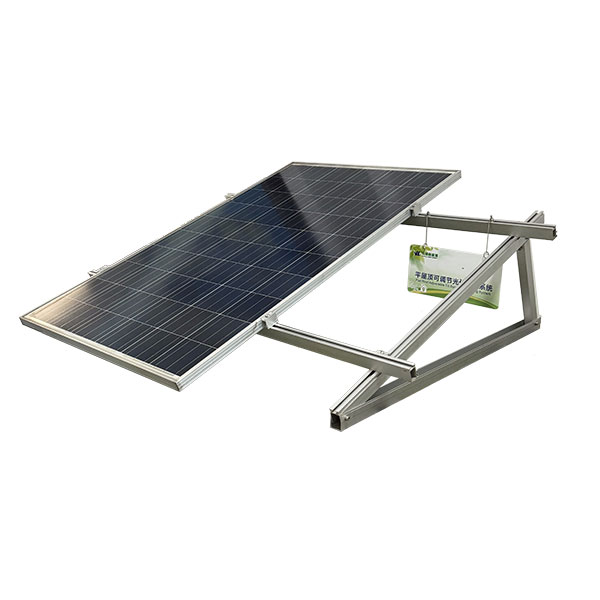
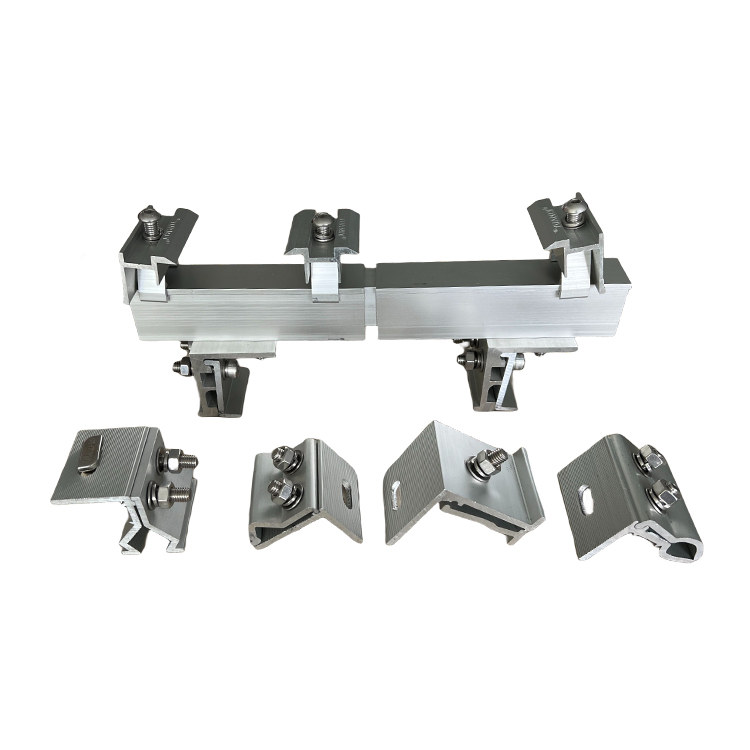
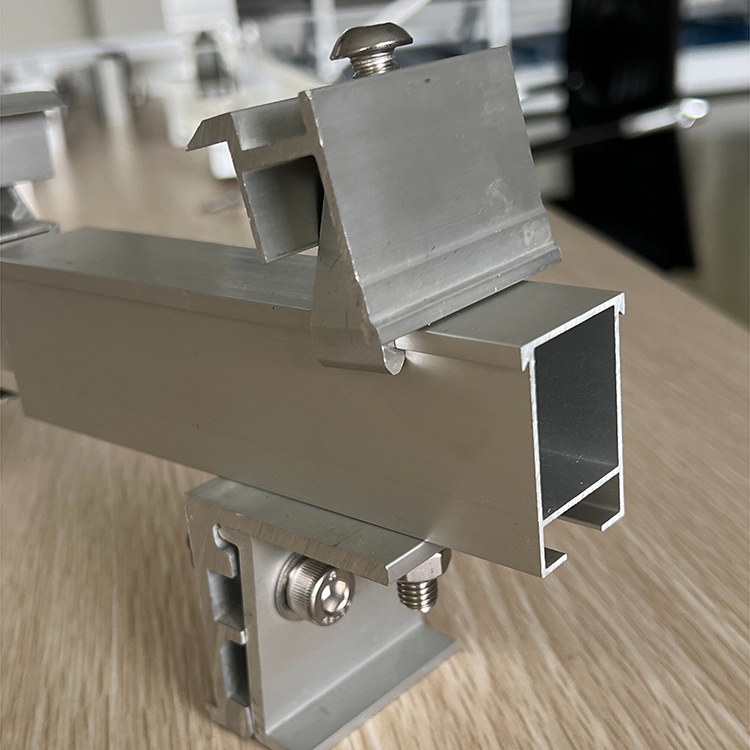
Geographical location is the primary factor influencing the optimal tilt angle of solar panels. Regions closer to the equator typically require lower tilt angles because the sun remains high in the sky throughout the year. In contrast, areas at higher latitudes benefit from steeper tilt angles to capture sunlight more effectively, particularly during winter months when the sun is lower on the horizon. Solar mounting systems designed with adjustable or location-specific tilt angles ensure that installations are tailored to local solar conditions, helping maximize annual energy production. Roof structure and installation environment also affect tilt angle design. On sloped roofs, the mounting system must often work with the existing roof angle while still achieving optimal panel orientation. Adjustable brackets and specialized mounting components allow installers to fine-tune the tilt angle even when the roof structure is fixed. For flat roofs and ground-mounted solar arrays, mounting systems provide greater flexibility to set panels at the most efficient angle without being constrained by building geometry.
Another important factor related to tilt angle optimization is shading control. When solar panels are tilted at steeper angles, they require proper spacing between rows to prevent one row from casting shadows on another. A well-designed mounting layout considers both tilt angle and row spacing to maintain uninterrupted sunlight exposure throughout the day. By balancing tilt angle and array spacing, solar systems can avoid energy losses caused by shading while maintaining efficient land or roof utilization. Tilt angle also affects the natural cleaning of solar panels. Panels installed at appropriate angles allow rainwater to wash away dust, dirt, and debris more effectively. This self-cleaning effect helps maintain higher panel efficiency by reducing surface contamination. In regions with frequent dust or pollution, slightly steeper tilt angles can help prevent dirt accumulation, reducing maintenance requirements and keeping the panels operating at peak performance.
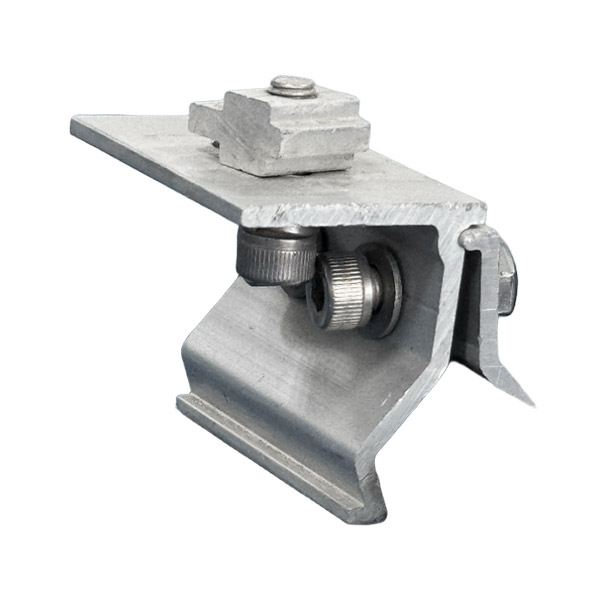
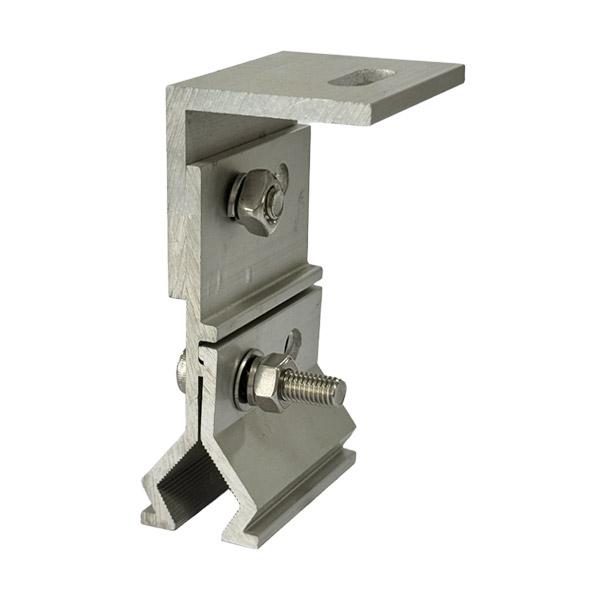
Structural safety must also be considered when optimizing tilt angle. As the tilt angle increases, the solar panels become more exposed to wind forces, which can place additional stress on the mounting system. Modern solar mounting structures are engineered to balance these forces by using strong materials, reinforced brackets, and precise load calculations. High-quality aluminum and steel structures ensure that panels remain stable even at optimal tilt angles under strong winds or extreme weather conditions. Mounting design also influences the economic performance of solar projects. By increasing the energy output of each panel through tilt optimization, project owners can achieve higher overall power generation without adding additional modules. This improves the return on investment and reduces the cost per kilowatt-hour of generated electricity. In large-scale solar installations, even a small increase in efficiency can result in substantial long-term energy gains.
Technological advancements in mounting systems have further improved tilt angle optimization. Adjustable mounting systems allow seasonal angle adjustments, enabling panels to capture more sunlight during winter and summer periods. Although fixed-tilt systems remain the most common due to simplicity and lower cost, modern engineering tools allow manufacturers to design structures that achieve an ideal balance between energy production, structural stability, and installation efficiency. In conclusion, optimizing tilt angle through mounting design is a key strategy for maximizing solar energy yield. By carefully considering geographic location, roof structure, shading, environmental conditions, and structural safety, mounting systems can position panels to capture sunlight as efficiently as possible. Advanced mounting solutions not only improve energy generation but also enhance long-term reliability and system performance. As solar power continues to expand worldwide, intelligent mounting design will remain a crucial factor in achieving the highest possible efficiency from photovoltaic installations.