English

What Makes a Solar Mounting Component Easier to Replace Without Disassembling the Entire Structure?
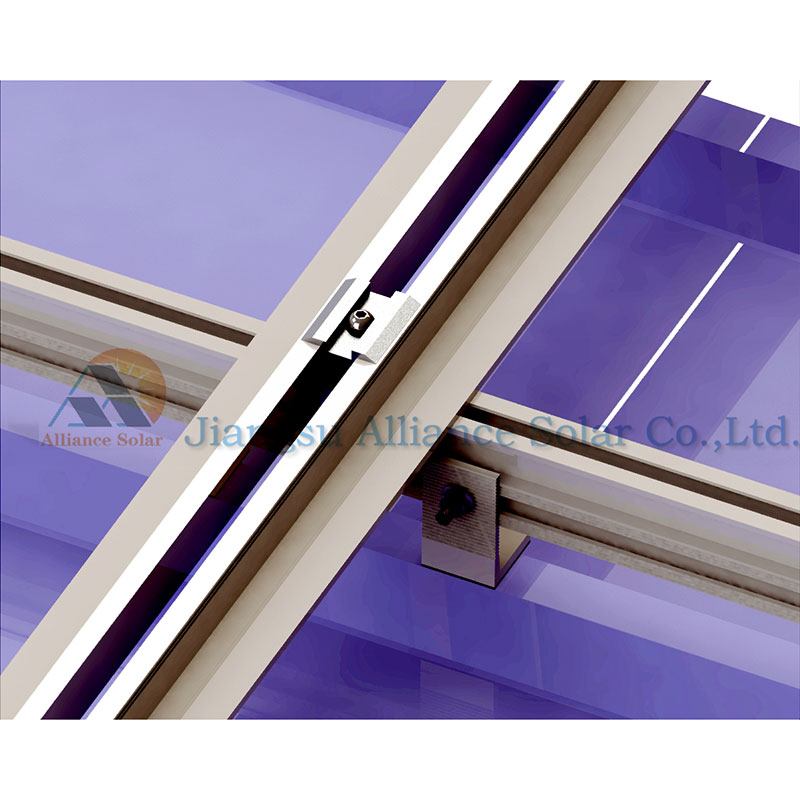
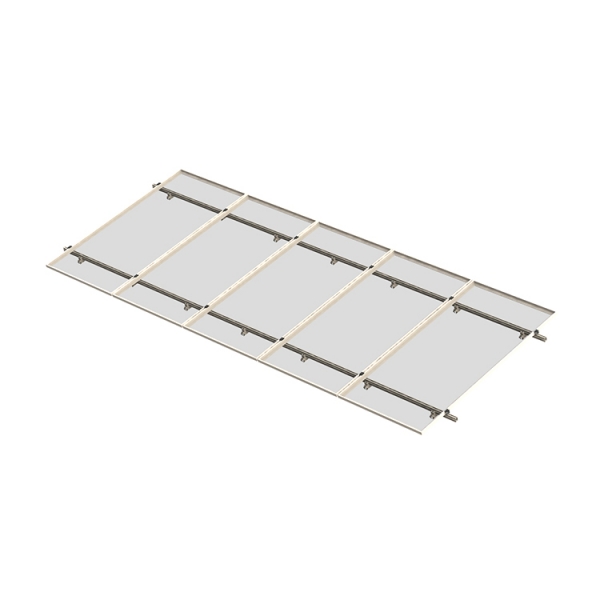
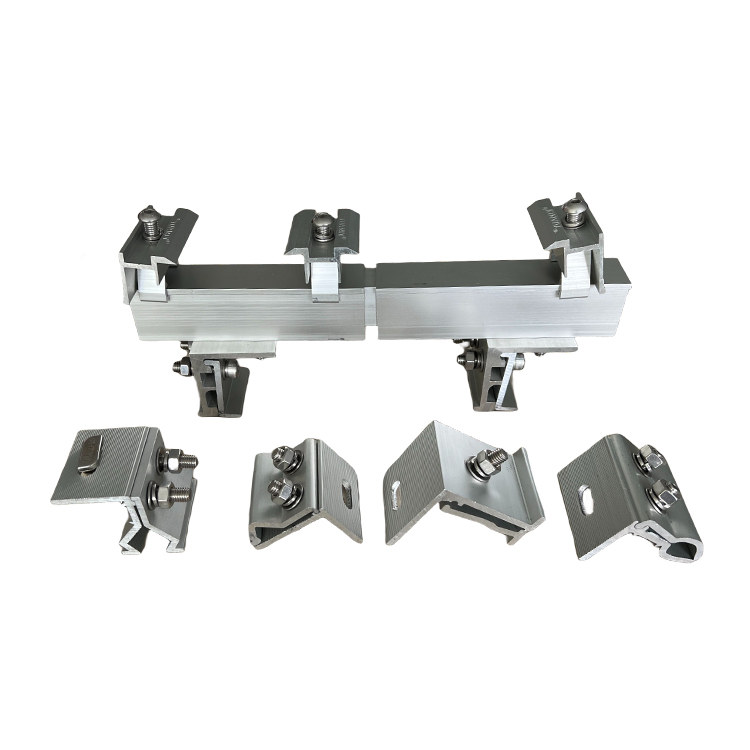
Solar mounting systems are designed to support photovoltaic panels for many years, but individual components may occasionally require replacement due to damage, corrosion, wear, or changes in project requirements. When a small part cannot be removed independently, maintenance teams may need to loosen multiple connections or dismantle larger sections of the structure. A well-designed solar mounting system can avoid much of this unnecessary work by making individual components accessible, compatible, and easier to replace. One important factor is modular design. When a mounting system consists of clearly defined components connected through standardized interfaces, individual parts can often be removed without disturbing the entire assembly. Brackets, connectors, clamps, and selected rail sections can be designed as separate units with specific functions. This approach allows maintenance teams to identify the affected component and focus their work on the relevant area instead of dismantling surrounding structures.
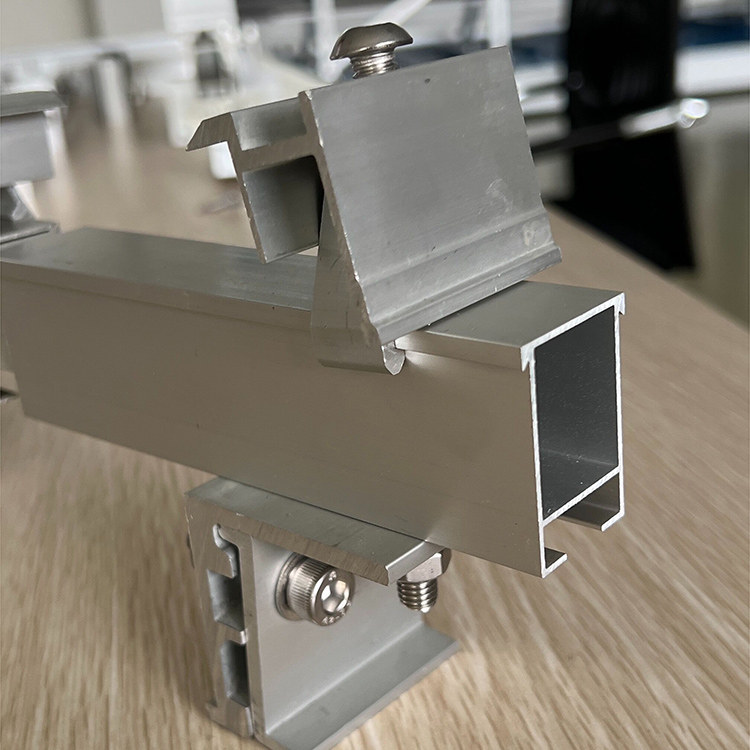
Connection design also has a major influence on replacement efficiency. Components secured with accessible bolts or other serviceable fasteners are generally easier to remove than parts that depend on permanent connections or require extensive disassembly. The connection method should match the component's structural role and expected loads. Designers must ensure that serviceability does not compromise the strength, stability, or safety of the mounting system. Accessibility is another consideration that should be addressed during the design stage. A fastener may be technically removable but difficult to reach after the solar panels and adjacent components have been installed. Adequate tool clearance, accessible connection points, and practical component spacing can make maintenance more straightforward. Considering how technicians will reach and handle individual parts helps prevent avoidable difficulties during future repairs.
Dimensional consistency is equally important when replacing mounting components. A replacement bracket or connector must match the original part's dimensions, hole positions, thickness, material requirements, and connection geometry. Even a small difference can affect alignment or prevent the component from fitting correctly. Precision manufacturing and clear technical specifications help ensure that replacement parts integrate with the existing structure without requiring unnecessary modifications. Standardization can further simplify the replacement process. Using consistent fastener sizes, connection methods, and component interfaces across a mounting system reduces the number of different tools and spare parts maintenance teams need to manage. However, standardization should be applied carefully. Components must still meet the specific structural and environmental requirements of each installation, and similar-looking parts should not be treated as interchangeable unless their specifications have been verified.
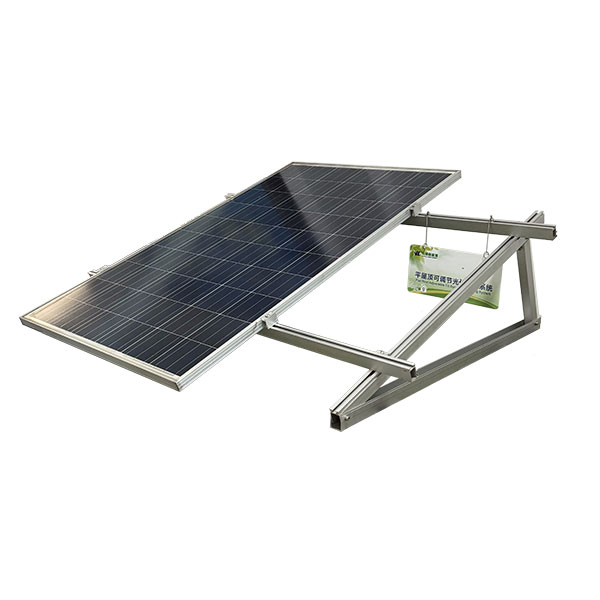

Material selection and corrosion protection also influence how easily components can be replaced after years outdoors. Moisture, salt exposure, dirt, and temperature changes can affect fasteners and connecting surfaces over time. Suitable materials, compatible metal combinations, and appropriate protective treatments can help reduce corrosion-related maintenance problems. During design, engineers should also consider whether critical fasteners are likely to remain accessible for inspection and removal throughout the system's service life. Clear component identification makes replacement more efficient as well. When brackets, connectors, and precision process parts have identifiable part numbers or correspond to documented drawings, maintenance teams can determine which replacement item is required. This reduces the risk of ordering incompatible components and helps procurement teams communicate more accurately with manufacturers. Maintaining reliable product records is particularly useful for large solar installations with many different mounting configurations.
Replacement procedures should also account for structural safety. Before removing a component, technicians need to determine whether it carries loads or supports adjacent sections of the mounting system. Temporary support, controlled unloading, or isolation of the affected area may be necessary. A replaceable component should never be removed simply because its fasteners are accessible; the correct procedure must follow the system design, manufacturer guidance, and applicable safety requirements. For international solar projects, replacement planning can be especially challenging when components are sourced from different suppliers or when installations are located far from the original manufacturer. Keeping approved drawings, specifications, and replacement part information helps customers obtain matching components more efficiently. Manufacturers that offer customized production can also help reproduce parts according to verified original specifications when standard products are not suitable.
At Alliance Solar, our product range includes solar mounting bracket parts, solar panel brackets, and precision process parts, with OEM and ODM services for project-specific requirements. By working with customers on component drawings, dimensions, and connection details, we support the development of parts designed to fit their intended mounting applications. Careful technical communication and consistent manufacturing specifications can help customers plan for maintenance and future replacement needs from the beginning of a project.Ultimately, easy component replacement begins long before a solar mounting system is installed. Modular construction, accessible fasteners, standardized interfaces, dimensional accuracy, corrosion protection, and clear product documentation can all reduce the amount of work required to replace individual parts. When these factors are incorporated into the original design, maintenance becomes more manageable, unnecessary dismantling can often be avoided, and the solar mounting system can remain in service with less disruption.