English
Ground Mounting System Design for Uneven Terrain and Sloped Land
Designing ground mounting systems for uneven terrain and sloped land presents unique engineering challenges that go beyond standard flat-ground installations. As solar projects increasingly expand into hilly, irregular, or previously unusable land, the ability to adapt mounting structures to complex topography has become essential. A well-designed ground mounting system must not only maximize energy generation but also ensure structural stability, efficient installation, and long-term reliability despite variations in elevation and soil conditions. The first major consideration in uneven terrain design is site assessment and topographical analysis. Before any engineering begins, detailed surveys are conducted to understand slope gradients, elevation differences, soil composition, and drainage patterns. This data forms the foundation for designing a mounting system that can adapt to the land rather than requiring extensive ground leveling. Minimizing earthwork not only reduces project costs but also preserves the natural landscape and shortens construction timelines.
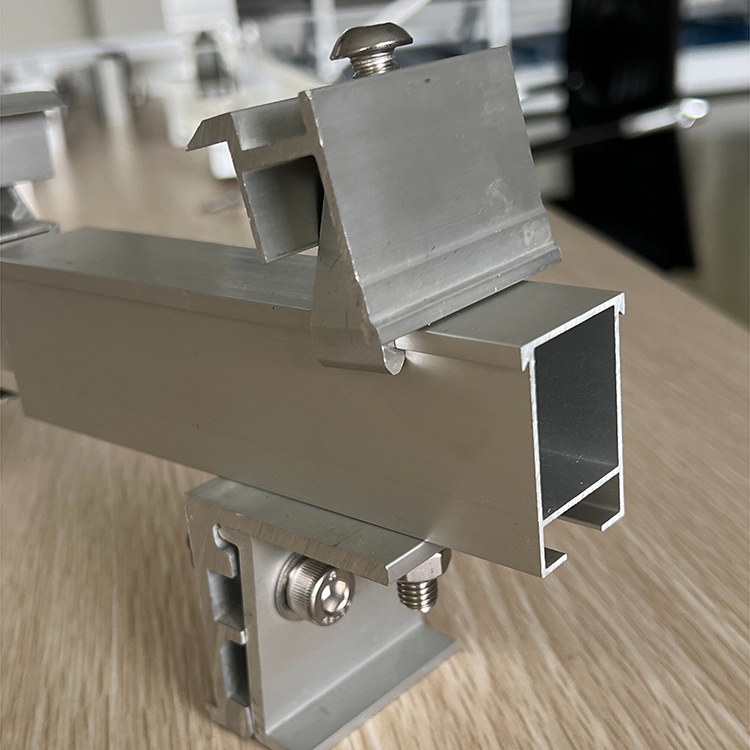
Flexible structural design is key to handling slopes and irregular surfaces. Modern ground mounting systems use adjustable support structures that can accommodate height differences across rows. Telescopic legs, variable-length posts, and modular connection components allow installers to maintain consistent panel alignment even when the ground beneath is uneven. This adaptability ensures that solar panels are positioned at the correct tilt angle for optimal sunlight exposure, regardless of terrain conditions. Foundation selection is another critical aspect of sloped land installations. Different soil types and slope conditions require different anchoring solutions. In many cases, pile-driven foundations are used because they provide strong support without the need for extensive excavation. These piles can be driven to varying depths to compensate for uneven ground levels. In rocky or highly compacted soils, ground screws or concrete foundations may be more suitable. Choosing the right foundation type ensures that the mounting system remains stable under environmental loads such as wind and rain.
Load distribution becomes more complex on uneven terrain. Variations in height and angle can create uneven stress across the mounting structure if not properly designed. Engineers must carefully calculate how loads are transferred through the system, ensuring that each support point carries its share of the weight. Reinforced connections and optimized structural layouts help maintain balance and prevent localized stress that could lead to deformation or failure over time. Row alignment and spacing are also important in sloped installations. On uneven ground, maintaining consistent spacing between panel rows can be challenging, but it is essential to prevent shading and ensure efficient energy production. Advanced layout planning allows mounting systems to follow the natural contour of the land while preserving proper distances between rows. This contour-following approach maximizes land utilization without sacrificing performance.
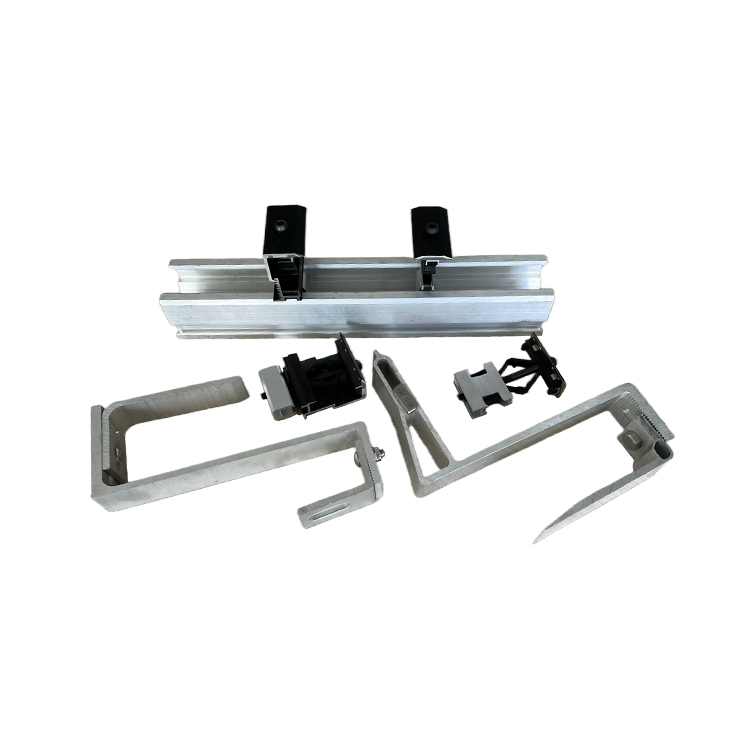
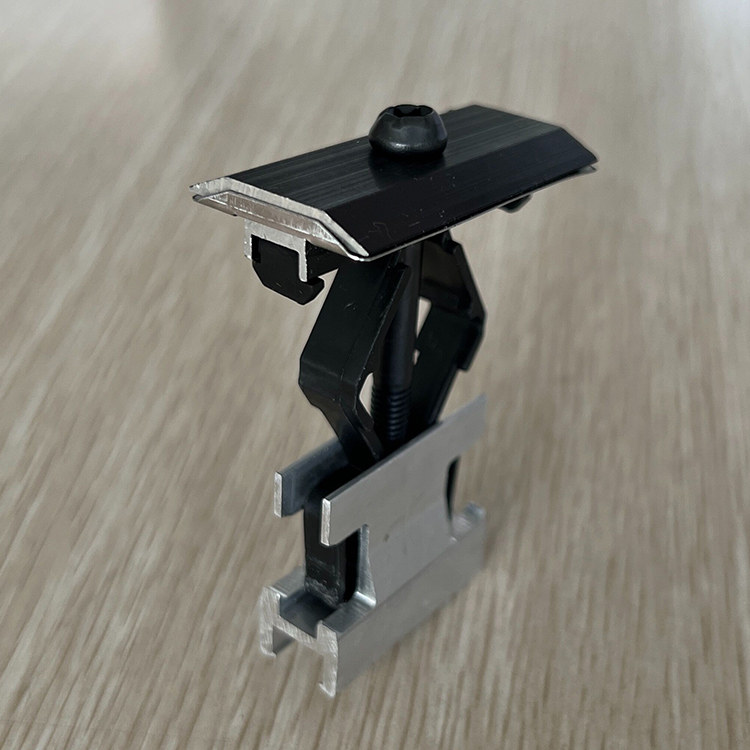
Drainage and erosion control are additional considerations for sloped land projects. Poor drainage can lead to soil erosion, which may weaken foundation stability over time. Mounting system designs often include elevated structures and proper spacing to allow water to flow naturally across the site. In some cases, additional measures such as ground reinforcement or drainage channels are implemented to protect both the mounting system and the surrounding environment. Installation efficiency is another important factor when working on uneven terrain. Complex landscapes can slow down construction if the mounting system is not designed for adaptability. Pre-engineered modular components and adjustable connections simplify the installation process, allowing crews to work more efficiently even in challenging conditions. By reducing the need for on-site modifications, installation time and labor costs can be significantly lowered.
Durability and long-term reliability remain essential regardless of terrain complexity. Ground-mounted systems must withstand environmental stresses such as wind, temperature changes, and soil movement. High-quality materials like galvanized steel and corrosion-resistant aluminum ensure that the structure maintains its integrity over decades. Proper design also accounts for potential ground shifting, ensuring that the system remains stable even as the landscape evolves slightly over time. From a financial perspective, designing for uneven terrain can unlock new opportunities for solar development. Land that was previously considered unsuitable can now be utilized effectively, increasing project capacity without requiring premium flat land. By combining intelligent design with adaptable mounting systems, developers can maximize land use while maintaining high performance and cost efficiency.
In conclusion, ground mounting system design for uneven terrain and sloped land requires a combination of careful planning, flexible engineering, and durable materials. By adapting to natural landscapes rather than reshaping them, modern mounting systems provide stable, efficient, and cost-effective solutions for complex solar installations. As solar energy continues to expand into diverse environments, the ability to design for challenging terrain will remain a key factor in successful project development and long-term performance.