English
Anti-Loosening Solutions in Solar Mounting: Preventing Vibration Fatigue
In solar mounting systems, long-term structural reliability depends heavily on the integrity of every connection point. While mounting structures are designed to withstand wind, temperature changes, and environmental loads, one of the most common yet overlooked risks is vibration fatigue. Over time, continuous micro-movements caused by wind, thermal expansion, and operational stress can gradually loosen fasteners, weakening the entire system. Anti-loosening solutions are therefore essential to maintain stability, prevent structural failure, and ensure consistent performance throughout the lifespan of a solar installation. Vibration fatigue occurs when repeated small movements cause fasteners to lose their clamping force. In solar systems, this can be triggered by wind-induced oscillations, daily temperature cycles, or even slight structural shifts. Although each movement may be minimal, the cumulative effect over months and years can lead to bolts and nuts gradually loosening. Once a connection becomes loose, it increases stress on surrounding components, accelerates wear, and can eventually compromise the safety of the entire structure. Preventing this chain reaction starts with effective anti-loosening design.
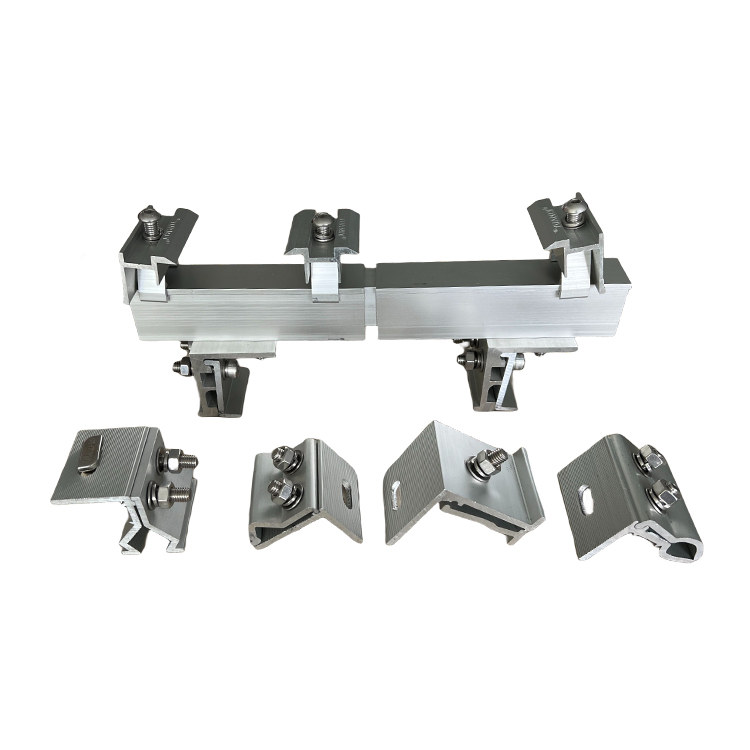
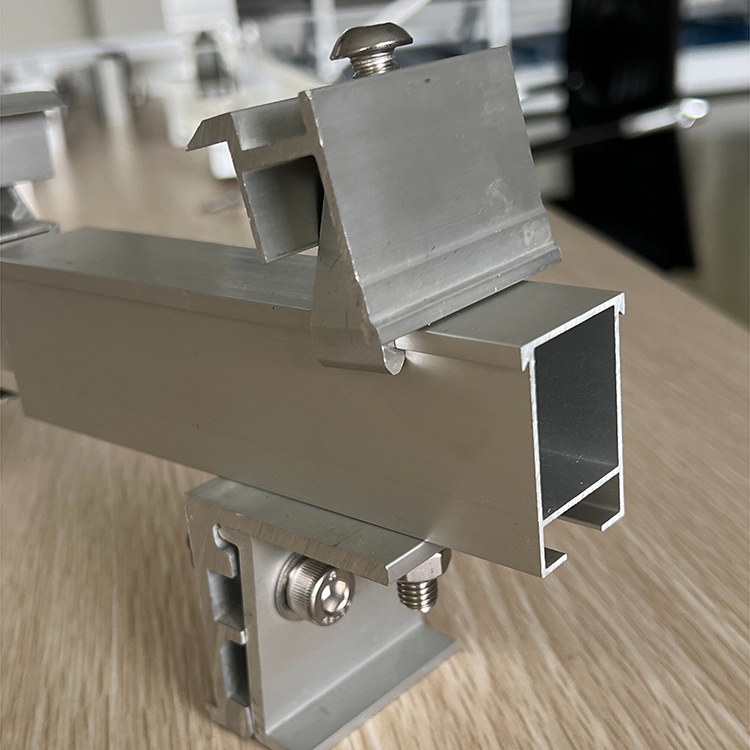
One of the most widely used solutions is the application of locking fasteners. Lock nuts, for example, are designed with special inserts or thread designs that increase friction and prevent rotation under vibration. These nuts maintain their grip even when subjected to repeated movement. Similarly, serrated flange nuts and bolts create additional resistance by embedding into the contact surface, reducing the likelihood of slippage. These mechanical locking methods are simple yet highly effective in maintaining long-term connection stability. Spring washers and locking washers are another common anti-loosening method. These components apply continuous pressure between the fastener and the connected surface, compensating for minor movements and preventing loss of tension. By maintaining constant preload force, washers help ensure that connections remain tight even under fluctuating loads. In high-vibration environments, combining washers with lock nuts can further enhance resistance to loosening.
Thread-locking adhesives provide an additional layer of protection. These chemical solutions are applied to fastener threads during assembly and cure to form a strong bond that resists vibration-induced movement. Thread-locking compounds are particularly useful in areas where mechanical locking alone may not be sufficient or where access for future tightening is limited. They also help seal threads against moisture, providing additional corrosion protection. Proper torque control during installation is equally important for preventing loosening. Even the best anti-loosening components cannot perform effectively if fasteners are not tightened to the correct specifications. Under-tightening can lead to insufficient clamping force, while over-tightening may damage threads or reduce the elasticity needed to absorb vibrations. Standardized torque guidelines and calibrated tools ensure that each connection is secured with the optimal force, maximizing resistance to vibration fatigue.
Material selection also plays a role in anti-loosening performance. High-quality fasteners made from stainless steel or treated with anti-corrosion coatings maintain their strength and friction characteristics over time. Corrosion can reduce thread integrity and weaken clamping force, making fasteners more susceptible to loosening. By using durable, corrosion-resistant materials, solar mounting systems maintain reliable connections even in harsh environments such as coastal or industrial areas. Design optimization at the structural level further enhances resistance to vibration. Well-engineered mounting systems minimize unnecessary movement by providing stable support and balanced load distribution. Reinforced joints, proper spacing between supports, and rigid rail connections all contribute to reducing vibration intensity. When the overall structure is stable, the stress placed on individual fasteners is significantly reduced, lowering the risk of loosening.
Regular inspection and maintenance also contribute to long-term reliability. Although modern anti-loosening solutions are highly effective, periodic checks help identify any potential issues early. In large-scale solar installations, routine inspections ensure that all connections remain secure and that any minor loosening is addressed before it develops into a larger problem. Preventive maintenance helps extend the lifespan of the entire mounting system. In conclusion, anti-loosening solutions are a critical component of solar mounting system design, protecting structures from the long-term effects of vibration fatigue. Through the use of locking fasteners, washers, thread-locking adhesives, proper torque control, high-quality materials, and optimized structural design, solar mounting systems can maintain secure connections under continuous environmental stress. By addressing vibration at both the component and system level, these solutions ensure that solar installations remain safe, stable, and efficient throughout their operational life, supporting reliable renewable energy generation for decades.