English
How Solar Mounting Systems Contribute to the Longevity of Solar Power Installations
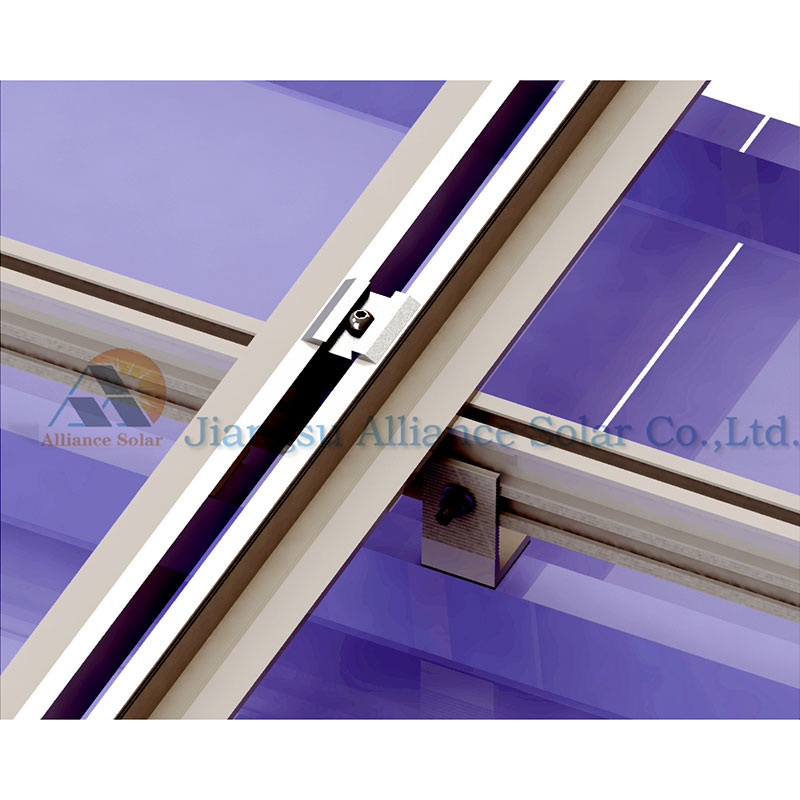
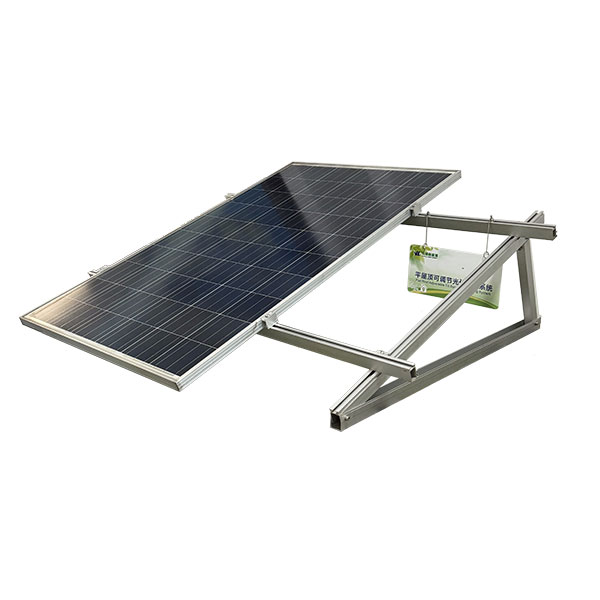
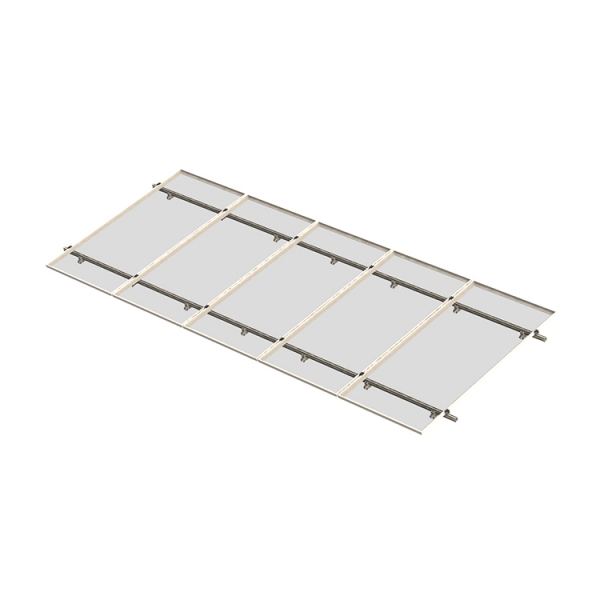
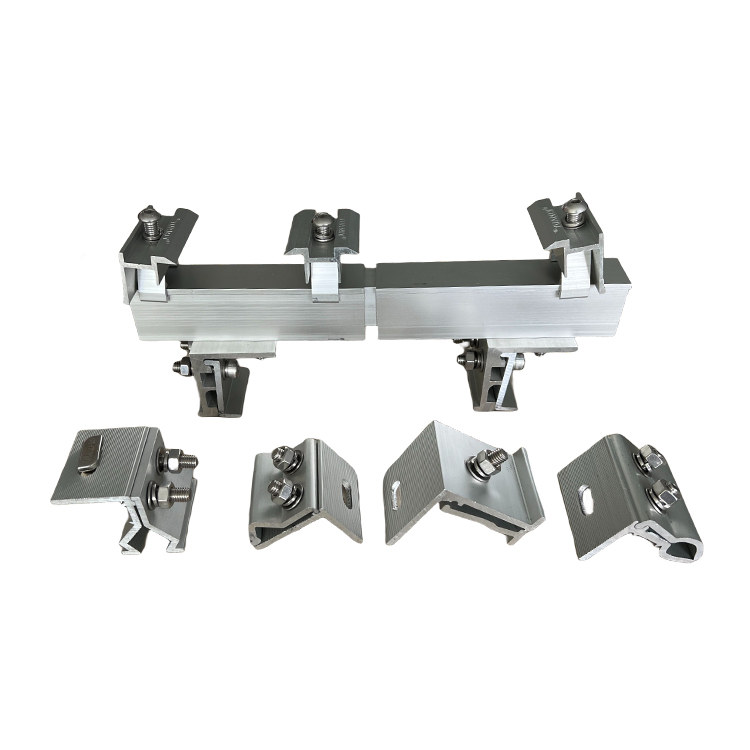
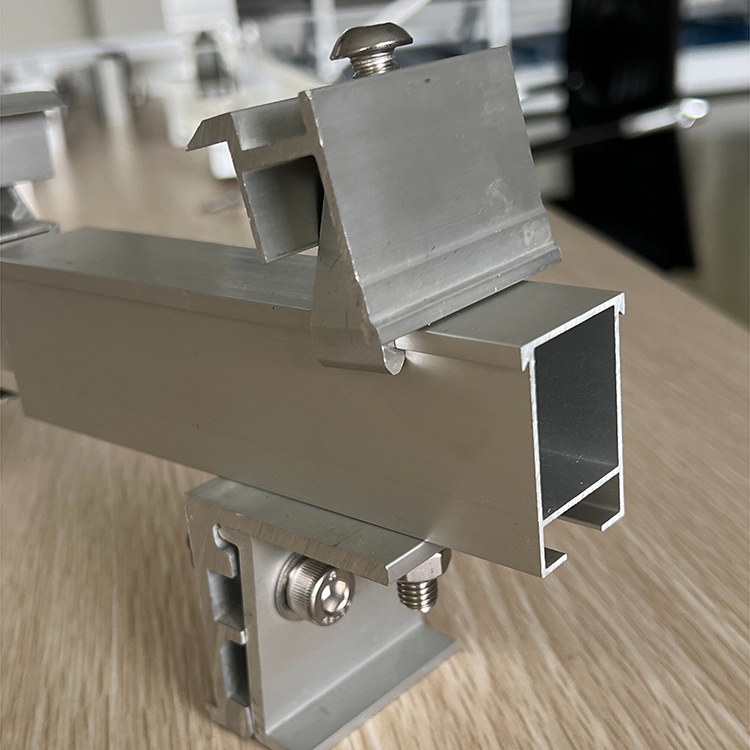
In the world of renewable energy, solar power has gained immense popularity due to its sustainability, cost-effectiveness, and minimal environmental impact. As solar energy systems become more prevalent, the need for ensuring their long-term durability and performance has never been greater. A key component that plays a pivotal role in the longevity of solar power installations is the solar mounting system. These systems provide the necessary support for solar panels, ensuring they remain stable and secure for years. This article will explore the importance of solar mounting systems and how they contribute to the long-term success of solar power installations. Solar mounting systems are the structures that securely attach solar panels to rooftops, ground mounts, or other surfaces. Their primary purpose is to hold the solar panels in place, ensuring they are positioned optimally to capture sunlight. However, the role of mounting systems goes far beyond just providing stability. They must also protect the solar panels from environmental hazards, including harsh weather conditions, UV radiation, and physical stress. A reliable mounting system ensures that solar panels are securely anchored and able to function efficiently for their entire operational lifespan, typically 25-30 years or more.
One of the key factors that contribute to the longevity of solar mounting systems is the choice of materials. Solar mounting systems are typically made from high-strength metals such as aluminum and steel. These materials are chosen for their ability to withstand the rigors of outdoor environments. Aluminum, for instance, is lightweight, corrosion-resistant, and highly durable, making it ideal for use in various climates. Steel, on the other hand, offers superior strength, particularly for large-scale installations, and is also resistant to corrosion when treated properly. Mounting systems constructed from these materials help prevent premature deterioration caused by exposure to weather conditions such as rain, snow, and intense sunlight. Additionally, aluminum and steel are resistant to corrosion, ensuring that the mounting system does not suffer from rust or decay over time. This durability is critical for maintaining the integrity of the entire solar power installation.
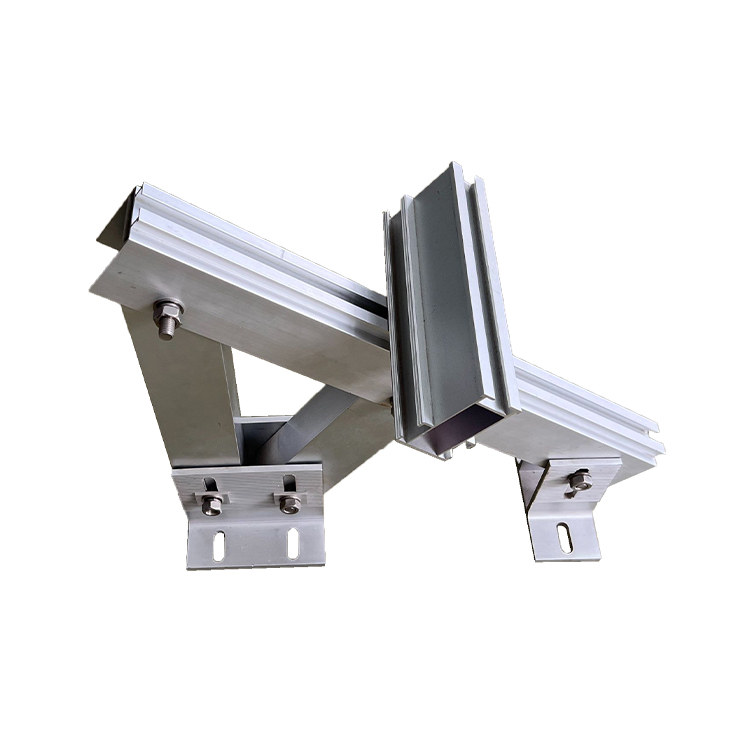
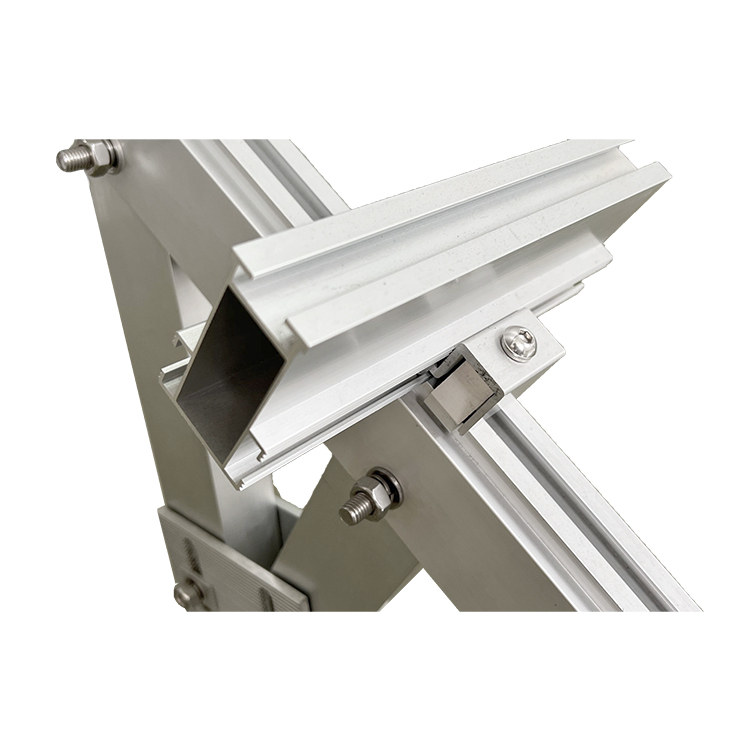
Weather conditions can be one of the most significant threats to the longevity of solar installations. Extreme temperatures, heavy winds, hailstorms, and heavy snow can place immense strain on solar panels and their mounting systems. Without a strong and durable mounting system, solar panels may shift, become misaligned, or even detach from their structures, leading to performance degradation or failure. High-quality solar mounting systems are specifically designed to withstand these environmental challenges. For instance, ground-mounted systems often feature robust foundations that anchor them securely to the ground, while roof-mounted systems are engineered to endure high wind speeds and precipitation. Some advanced mounting systems are equipped with features that allow for flexibility, enabling them to expand and contract with temperature changes, reducing the risk of cracking or damage. These systems help keep the panels in place, ensuring they remain in optimal alignment, thereby enhancing their performance and contributing to the longevity of the solar installation.
Another vital role of solar mounting systems is the reduction of structural stress. Improperly designed or poorly installed mounting systems can lead to uneven distribution of weight and force, which can place undue stress on both the solar panels and the building or surface on which they are mounted. This stress can cause damage over time, such as bending or cracking of the panels, and may even result in the failure of the supporting structure. Quality solar mounting systems are designed to distribute weight evenly across the installation, preventing localized stress and ensuring that the load is shared appropriately. This balance reduces the risk of structural damage to both the solar panels and the mounting surface, contributing to a more stable and long-lasting installation. By providing a solid foundation, these systems ensure that the entire solar array functions optimally over the years, reducing the need for frequent repairs or replacements.
Maintaining a solar power system is essential for ensuring its long-term functionality. Regular maintenance checks, cleaning, and repairs are necessary to keep solar panels operating at peak performance. Well-designed solar mounting systems make this maintenance process easier by providing easy access to the panels. For instance, adjustable mounting systems or ground-mounted systems allow technicians to easily access panels for cleaning or troubleshooting without requiring complex equipment or putting the structure at risk. By simplifying the maintenance process, solar mounting systems ensure that any potential issues can be detected and addressed quickly, preventing small problems from turning into major system failures. This ease of access helps prolong the lifespan of the solar panels and reduces overall maintenance costs, which ultimately contributes to the long-term success of the solar installation. In conclusion, solar mounting systems play an essential role in ensuring the longevity and optimal performance of solar power installations. Through their ability to provide stability, resist environmental wear and tear, reduce structural stress, and facilitate easy maintenance, these systems significantly contribute to the overall lifespan of solar panels. As the demand for solar energy continues to grow, it is essential for installation providers and property owners to choose high-quality mounting systems that are tailored to their specific needs. By investing in durable, weather-resistant, and easy-to-maintain mounting systems, solar power installations can continue to generate clean, renewable energy for decades to come.