English
How Solar Mounting Design Is Adapting to Global Climate Diversity
As solar energy adoption accelerates across continents, mounting system design has become far more sophisticated than simple structural support. Today’s solar mounting structures must withstand dramatically different environmental conditions—from desert heat in the Middle East to heavy snow loads in Northern Europe, coastal corrosion in Southeast Asia, and typhoon-force winds in the Asia-Pacific region. To ensure long-term performance and safety, modern mounting systems are engineered with climate diversity in mind. One of the most critical factors influencing mounting design is wind load. In coastal and typhoon-prone regions, uplift forces can be extreme, placing enormous stress on brackets, rails, and fasteners. Engineers must carefully calculate wind pressure based on local building codes and historical weather data. Aerodynamic profiles, optimized spacing between supports, and reinforced connections are used to minimize uplift risk. Ground-mounted systems in open fields often require deeper foundations or pile-driven structures to maintain stability in high-wind zones. By tailoring structural reinforcements to local conditions, mounting systems maintain both safety and energy production reliability.
Snow load presents another major design challenge in colder climates. Accumulated snow can significantly increase the weight burden on panels and support structures. In regions with heavy snowfall, mounting systems are designed with higher load-bearing capacity and optimized tilt angles that help snow slide off more easily. Stronger rails, thicker profiles, and enhanced cross-bracing improve resistance to long-term stress. Proper snow load management not only protects structural integrity but also reduces downtime caused by snow coverage on panels. Temperature variation is another factor that cannot be overlooked. Solar projects in desert climates may face extreme heat during the day and significant temperature drops at night. These fluctuations cause materials to expand and contract, potentially loosening connections over time if not properly designed. High-quality aluminum alloys with stable mechanical properties are commonly used to ensure structural consistency under thermal stress. Slotted holes and expansion joints are also integrated into mounting systems to allow controlled movement without compromising alignment or strength.
Corrosion resistance is especially important in coastal and humid environments. Salt-laden air can rapidly degrade untreated metal components, reducing system lifespan and increasing maintenance costs. To combat this, advanced surface treatments such as anodizing and hot-dip galvanization are widely applied to mounting structures. Stainless steel fasteners are often selected for superior corrosion resistance. By combining material science with protective coatings, mounting systems are built to maintain performance for 25 years or more, even in harsh marine conditions. Seismic considerations also play a role in certain regions. Earthquake-prone areas require mounting systems that can absorb and distribute dynamic forces without structural failure. Flexible connection points, reinforced joints, and carefully calculated anchoring systems enhance resilience during seismic activity. Designing for these unpredictable forces requires precise engineering simulation and compliance with regional safety standards.
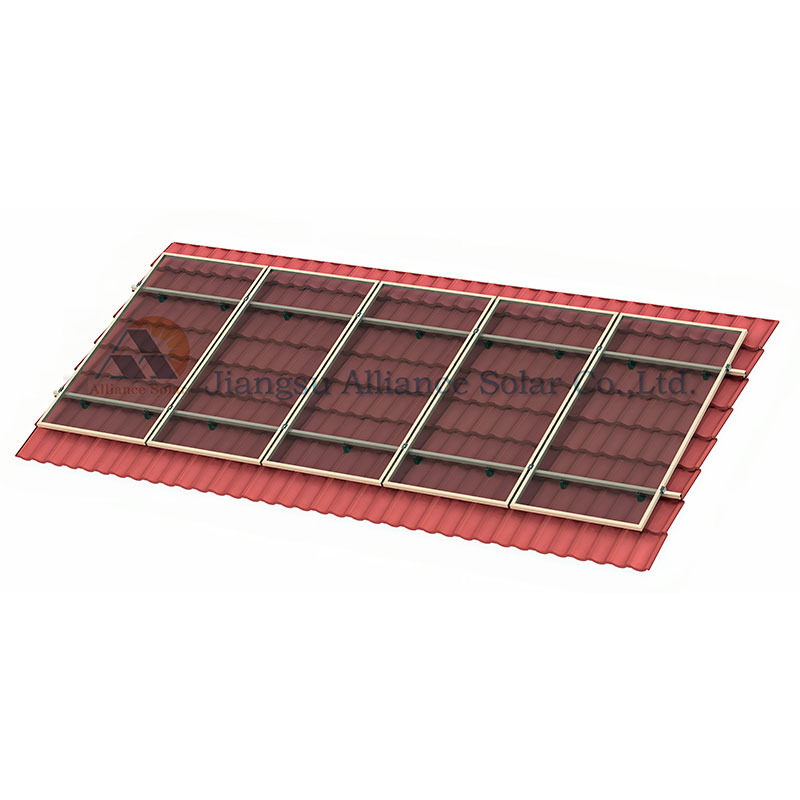
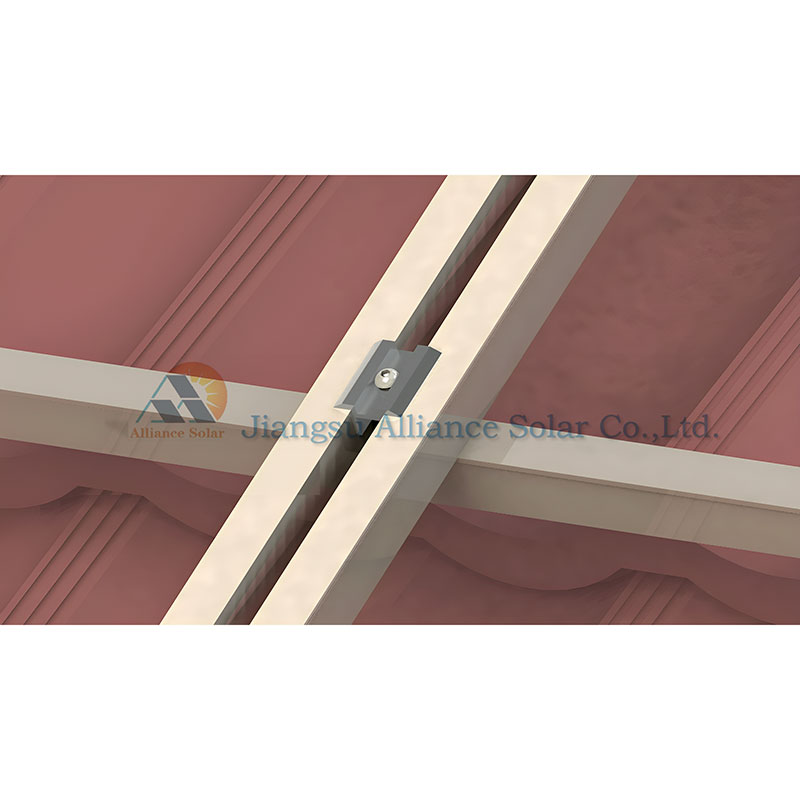
Another growing trend in climate-adaptive design is modular flexibility. As solar projects expand into emerging markets with varied terrains and climate conditions, mounting systems must adapt quickly to different site requirements. Modular components allow installers to adjust configurations based on slope, soil condition, wind classification, or roof type. This adaptability reduces engineering time and simplifies logistics while ensuring performance across diverse environments. Climate diversity also affects installation strategy. In regions with frequent heavy rain, water drainage considerations become essential. Elevated mounting systems with optimized spacing help prevent water pooling and reduce long-term structural stress. In hot climates, designs that improve airflow beneath panels can lower operating temperatures, which enhances overall energy yield and prolongs module lifespan.
Digital engineering tools have further strengthened climate-responsive design. Advanced simulation software enables engineers to model wind tunnels, snow accumulation, seismic vibration, and thermal expansion before production begins. These predictive analyses allow mounting manufacturers to refine designs based on precise environmental data, minimizing risk during real-world operation. By leveraging data-driven design processes, solar mounting systems achieve both safety and cost efficiency. Ultimately, adapting to global climate diversity is not just about meeting local codes—it is about protecting investment value. Solar power systems are long-term infrastructure assets expected to operate for decades. A mounting system designed specifically for its environment ensures stable performance, lower maintenance requirements, and reduced lifecycle costs. Inconsistent or generic designs may initially lower costs but often lead to structural fatigue, corrosion issues, or energy losses over time.
As solar deployment continues worldwide, mounting design will remain a critical factor in project success. By integrating climate-specific engineering, advanced materials, and flexible modular solutions, modern solar mounting systems provide the strength and durability required for global expansion. Climate diversity is no longer a design obstacle—it is a driver of innovation that pushes the solar industry toward smarter, stronger, and more resilient infrastructure solutions.