English

What Overseas Buyers Should Confirm Before Approving a Solar Mounting Sample
For overseas buyers, approving a solar mounting sample is an important step before moving into large-volume production. A sample provides an opportunity to evaluate whether the component matches the technical requirements, fits the intended installation structure, and meets expected quality standards. However, checking its appearance alone is not enough. Buyers should carefully review dimensions, materials, surface treatments, connection details, and manufacturing consistency to avoid costly misunderstandings during mass production. The first thing buyers should confirm is dimensional accuracy. The sample should be compared with the approved technical drawings, including length, width, thickness, hole diameter, and connection positions. Even small dimensional differences can affect how mounting brackets, rails, and connectors fit together. Buyers should pay particular attention to critical measurements that influence installation compatibility and structural connections.
Material specifications are equally important. Solar mounting components may be manufactured from aluminum, galvanized steel, stainless steel, or other materials depending on their intended application. Buyers should confirm the material grade, thickness, and relevant mechanical requirements against the original order specifications. If material certificates or inspection documents are required, these expectations should be communicated before sample approval rather than requested after mass production has started. Surface treatment should also receive careful attention. Since solar mounting structures are exposed to outdoor conditions for many years, protective finishes can influence their resistance to corrosion and environmental exposure. Buyers should check whether the sample has the specified anodizing, galvanizing, powder coating, or other finishing treatment. Surface coverage, visible defects, coating consistency, and edge conditions should be reviewed according to the agreed quality requirements.
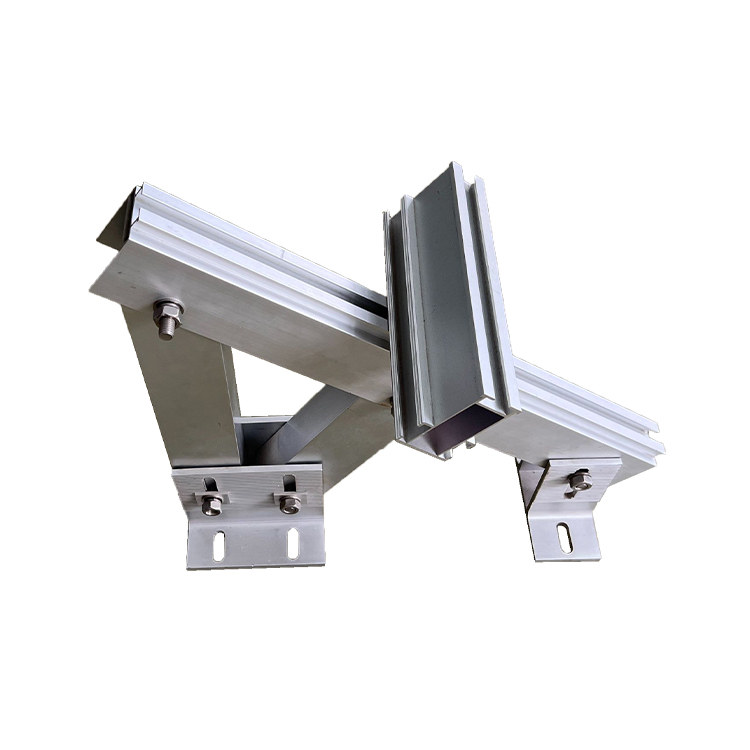
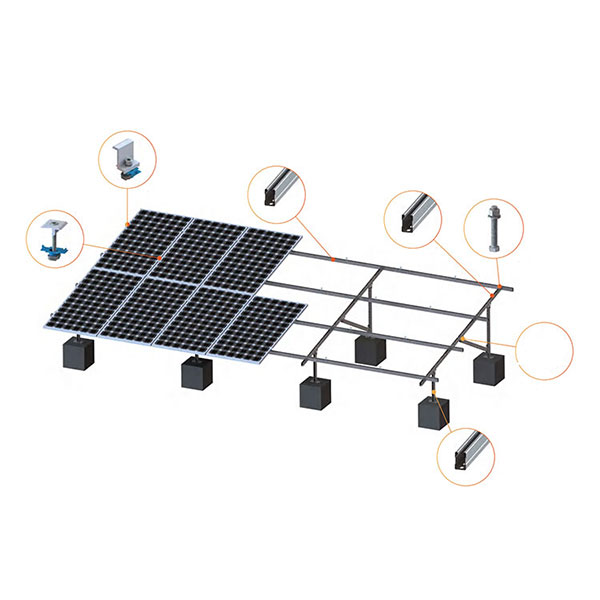
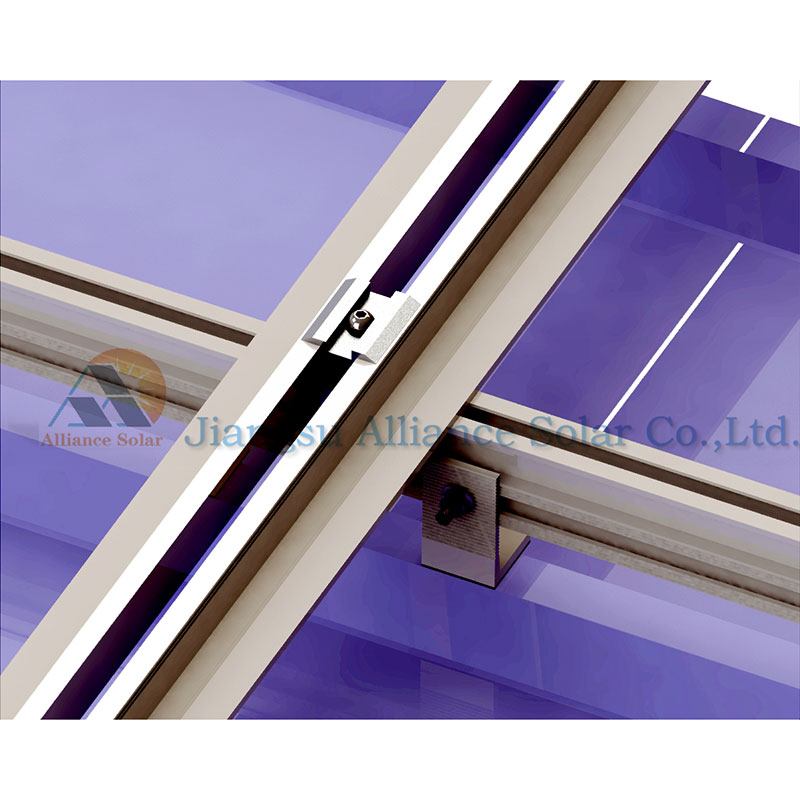
Another important point is component compatibility. A mounting bracket may look correct individually but still fail to connect properly with the customer's existing rails, clamps, fasteners, or support structures. Buyers should evaluate the sample together with the relevant connecting components whenever possible. Checking actual assembly fit can reveal problems that may not be obvious from photographs or technical drawings alone. Installation convenience is another factor worth evaluating. Buyers should consider whether the component can be positioned and secured using the intended installation method. Hole accessibility, tool clearance, fastening positions, and assembly sequence can all influence installation efficiency. A sample that requires excessive adjustment or modification may create additional labor costs when thousands of components are installed at a project site.
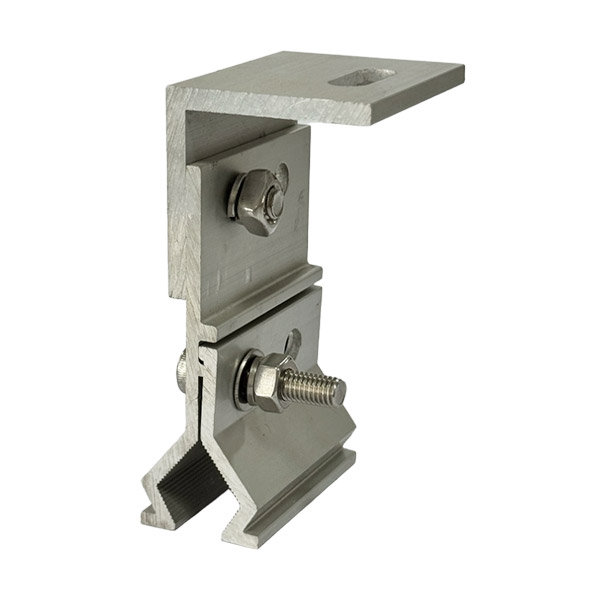
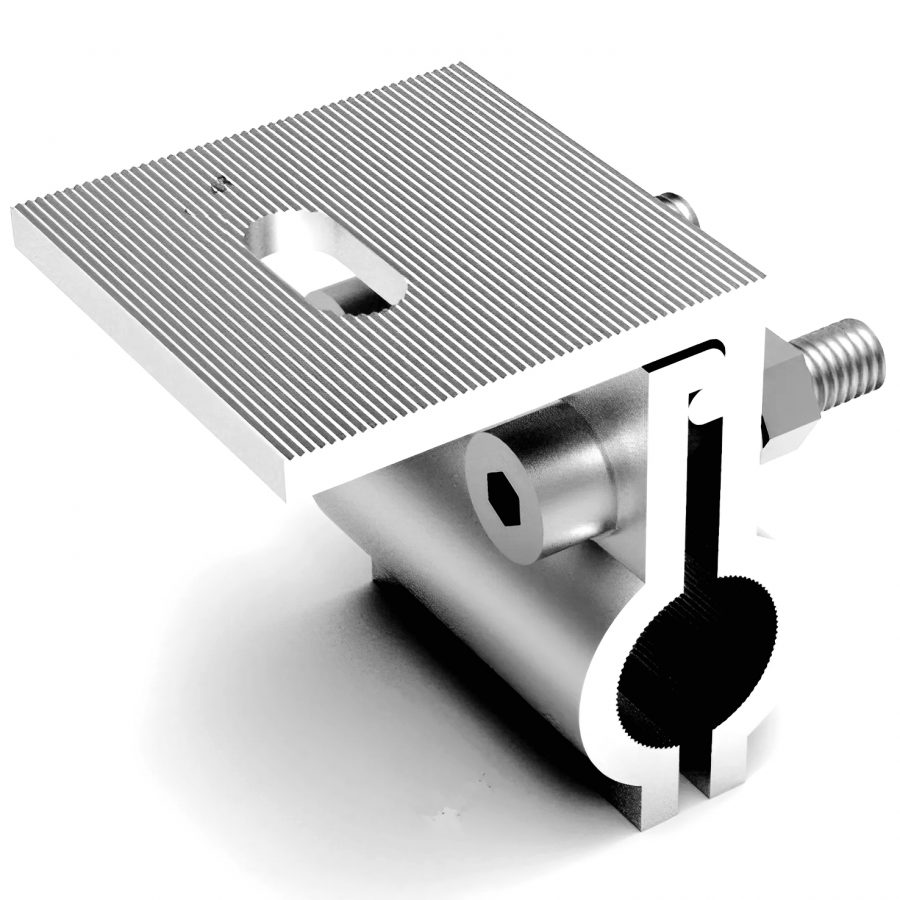
Manufacturing quality should also be assessed beyond basic dimensions. Buyers can inspect the sample for burrs, sharp edges, scratches, deformation, uneven surfaces, and other visible defects. Depending on the component, they may also need to review machining quality, forming accuracy, welding appearance, and fastening details. These checks help determine whether the sample reflects the expected manufacturing standard. Packaging and product identification are sometimes overlooked during sample approval. For international shipments, components may experience multiple handling and transportation stages before reaching the customer. Buyers should confirm whether the packaging provides suitable protection against scratches, moisture, and physical damage. Labels, part numbers, quantities, and packaging specifications should also be reviewed, especially when an order contains several different component types.
Lead time and production consistency should be discussed before approving the sample. A satisfactory prototype does not automatically guarantee that every component in a large production batch will have identical dimensions and finishing quality. Buyers should ask about production arrangements, inspection procedures, acceptable tolerances, and how consistency will be monitored. It is also useful to confirm whether any changes to materials, tooling, or manufacturing processes require customer approval. For customized OEM and ODM orders, the approval process should include a final review of all technical information. Buyers should confirm that the sample corresponds to the latest drawing revision and that all agreed modifications have been incorporated. Any comments or requested adjustments should be documented clearly. Once the sample is approved, the signed drawing or approved sample reference can serve as a common production standard for both parties.
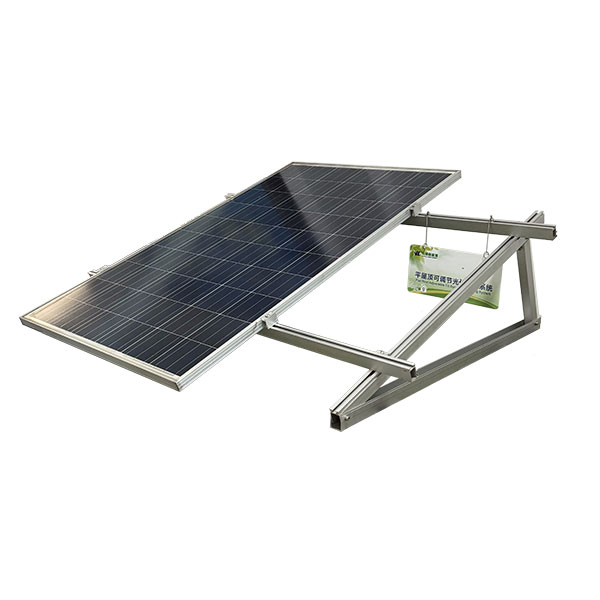
International buyers should also clarify the documentation and compliance requirements applicable to their destination market. Depending on the project, this may include material records, inspection reports, product specifications, or other supporting documents. Requirements can vary between countries and project owners, so confirming them early helps prevent documentation gaps during procurement, customs clearance, or project acceptance. At Alliance Solar, our product range includes solar panel brackets, solar mounting bracket parts, and precision process parts, with OEM and ODM services for customized requirements. We understand that sample approval is an important stage in international cooperation. Through clear technical communication, attention to manufacturing specifications, and quality-focused production, we aim to help customers verify their requirements before proceeding with larger orders.
Ultimately, approving a solar mounting sample should involve more than checking whether a component looks correct. Dimensional accuracy, material specifications, surface treatment, assembly compatibility, manufacturing quality, packaging, and production consistency all deserve careful consideration. By confirming these details before mass production, overseas buyers can reduce procurement risks, avoid unnecessary modifications, and establish a clearer foundation for successful cooperation with their solar mounting supplier.