English

Solar Mounting Solutions for Carports: Balancing Structural Support and Practical Installation
Solar carports offer a practical way to combine vehicle parking with renewable energy generation. By installing photovoltaic panels above parking spaces, businesses, commercial facilities, and public sites can make better use of existing land while providing shade and electricity. However, unlike conventional rooftop or ground-mounted systems, solar carports must accommodate vehicle access, elevated structures, drainage, and daily parking activities. Choosing the right mounting solution is therefore essential for balancing structural stability, installation efficiency, and long-term performance. One of the first considerations in solar carport design is the structural layout. The mounting system must support the weight of the solar modules and associated components while transferring loads safely to the supporting framework and foundations. Span lengths, column positions, roof geometry, and panel arrangements all influence the design. A suitable mounting configuration should be developed according to the project layout and verified through appropriate structural engineering calculations.
Wind resistance is particularly important because carport structures are often elevated and exposed on multiple sides. Wind pressure and uplift can place considerable stress on panels, rails, brackets, and fasteners. Mounting components must be selected according to site-specific wind conditions and applicable design standards. Proper connections and suitable structural dimensions help maintain stability without adding unnecessary complexity or material to the system. Practical installation is another major factor. Solar carports can involve repeated structural connections across large parking areas, making assembly efficiency important to project schedules. Mounting components with consistent dimensions, clearly defined connection points, and straightforward installation procedures can reduce adjustment work on site. Well-planned component layouts also help installation teams coordinate their work more efficiently and maintain consistent assembly quality.
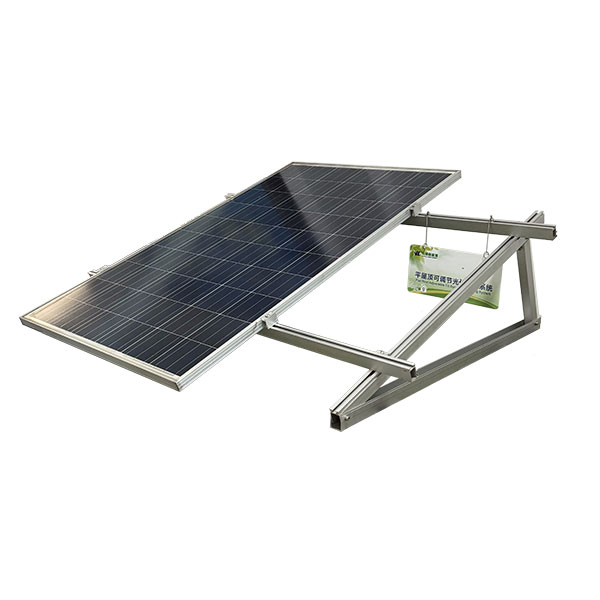
Panel positioning requires careful attention as well. The tilt angle, orientation, and spacing of modules influence solar exposure, rainwater movement, and the overall appearance of the carport. Designers must balance energy-generation objectives with clearance requirements, parking arrangements, and structural constraints. The mounting system should provide reliable support while keeping panel alignment consistent across the structure. Drainage should not be overlooked when planning solar carport mounting solutions. Rainwater can collect around panel edges or flow toward specific areas depending on the roof configuration and module arrangement. Poorly coordinated drainage may create inconvenience for parked vehicles or pedestrians. Mounting design should therefore be considered alongside gutters, drainage channels, roof slopes, and water discharge points to support practical site operation.
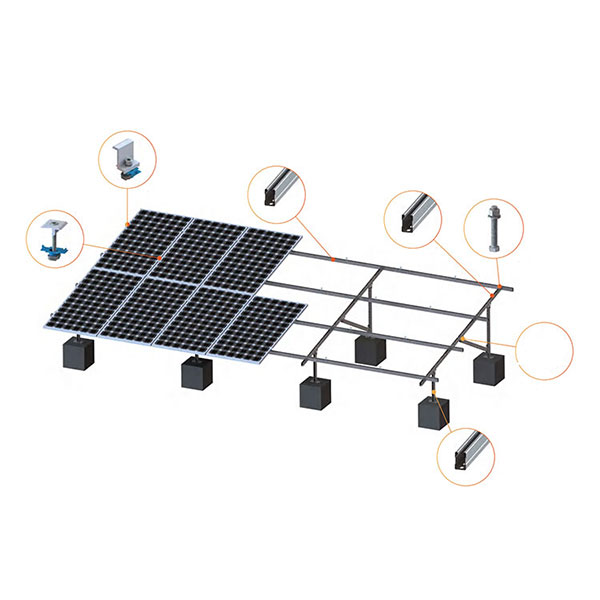
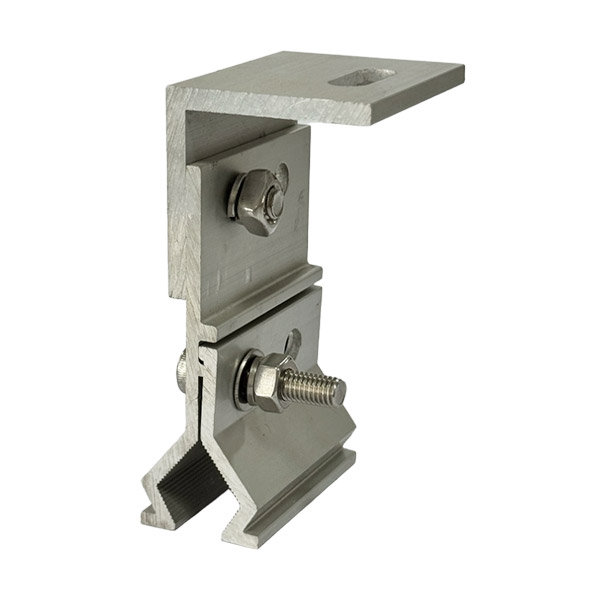
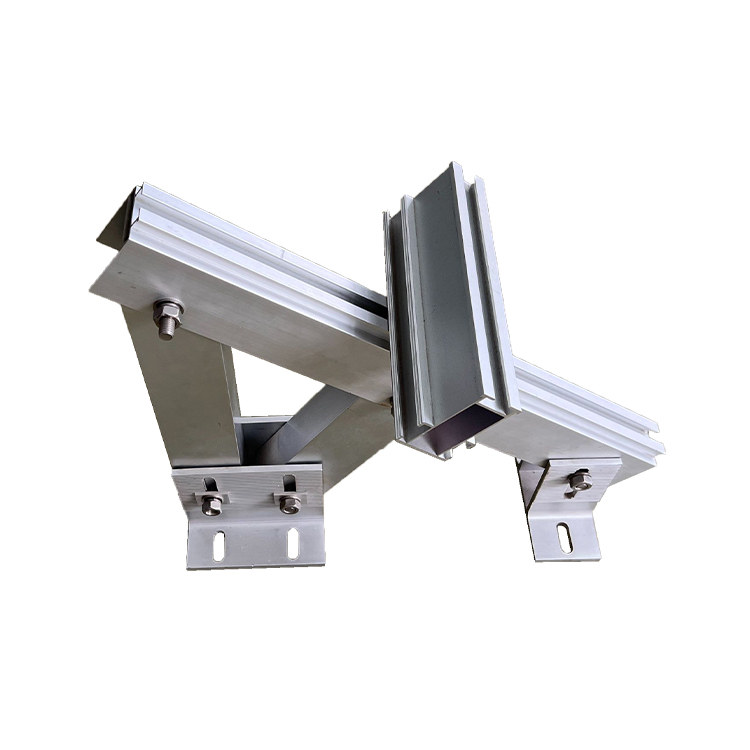
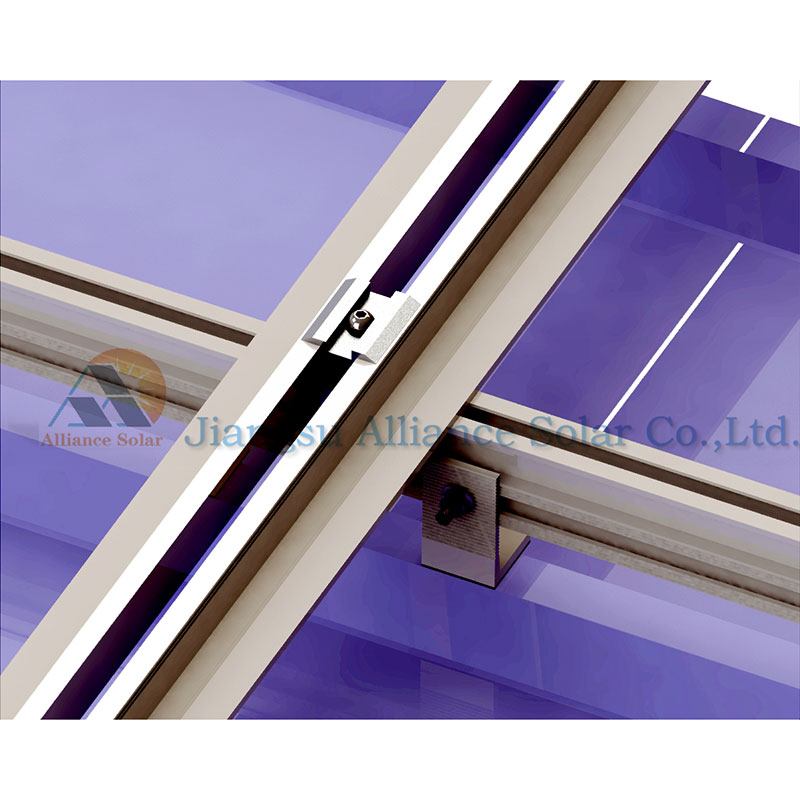
Material selection also affects the durability of solar carport structures. Aluminum components offer relatively low weight and corrosion resistance, while galvanized steel is often used where high structural strength is required. The appropriate choice depends on the design, environmental exposure, load requirements, and project budget. Protective treatments and compatible fasteners are also important, particularly for carports in humid or coastal environments. Component compatibility is another key consideration. Rails, brackets, clamps, connectors, and fasteners must work together as an integrated system. Differences in dimensions or connection methods can slow installation and create avoidable assembly problems. Confirming specifications before production helps ensure that the mounting components match the structural framework and selected photovoltaic modules. For customized projects, approved drawings and sample verification can further reduce uncertainty.
Maintenance access should also be considered during the design stage. Solar carports operate above active parking areas, where future inspection or component replacement may require careful planning. Accessible connections and clearly identified components can make maintenance more manageable. Designers should also consider vehicle clearance, pedestrian movement, lighting, and any equipment installed beneath the structure to avoid conflicts during daily use. For commercial and industrial customers, project cost involves more than the price of mounting components. Installation labor, transportation, foundation work, construction time, and future maintenance all contribute to the total investment. Standardized components can simplify procurement, while customized parts may help address unique structural layouts. The best approach depends on the project's scale, design requirements, and the balance between standardization and flexibility.
At Alliance Solar, our product range includes solar panel brackets, solar mounting bracket parts, and precision process parts, with OEM and ODM services for customized requirements. We work with customers to understand technical drawings, component dimensions, and installation conditions so that mounting parts can be produced to match the intended application. Manufacturing consistency and clear communication are important to helping customers coordinate their solar carport projects effectively. Ultimately, successful solar carport mounting solutions require a combination of structural engineering, practical installation planning, suitable materials, and compatible components. Every project has different requirements depending on its location, parking layout, climate, and energy objectives. By addressing these factors early and selecting mounting components designed for the specific application, project teams can build solar carports that make efficient use of space while providing reliable support for photovoltaic systems over the long term.