English
How Precision Process Parts Improve Solar Mounting System Reliability
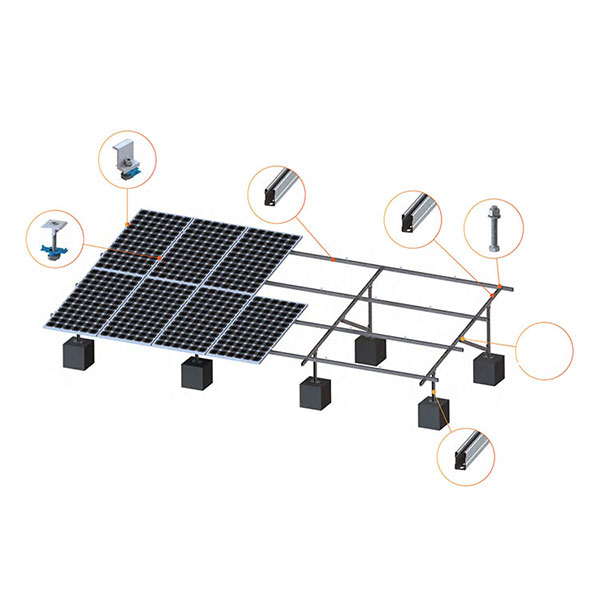
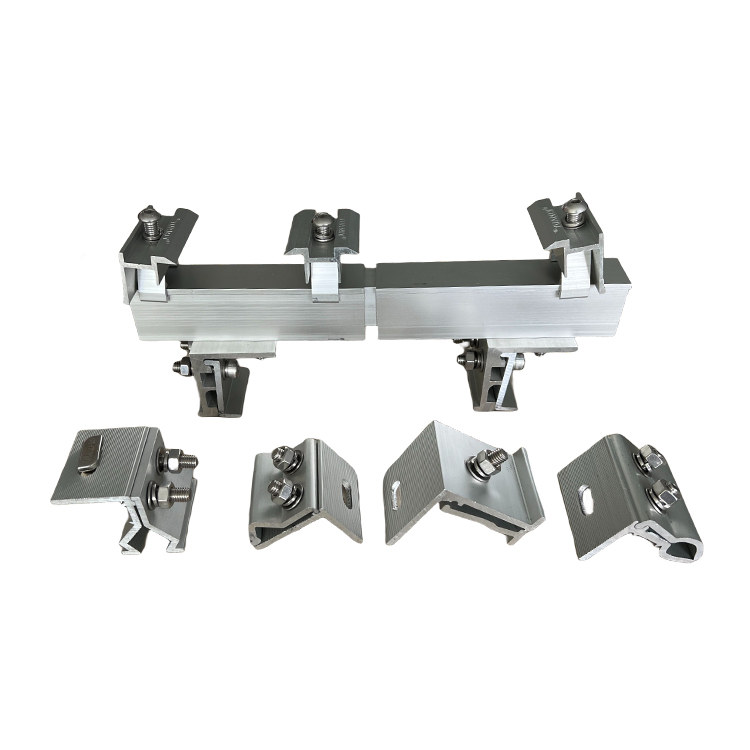
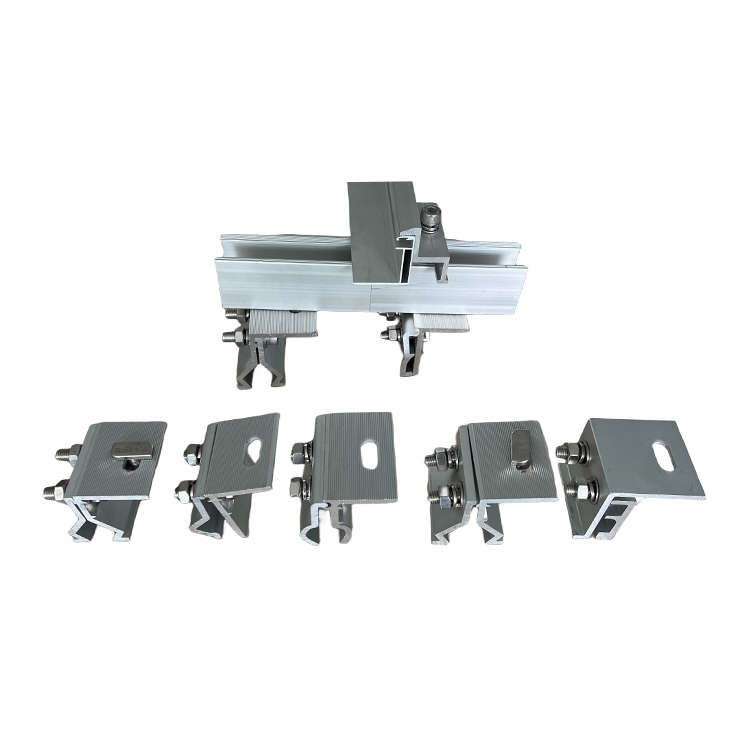
The performance of a solar mounting system depends not only on its overall structural design but also on the quality and precision of every individual component. Precision process parts—including brackets, connectors, clamps, rails, base plates, fasteners, and customized metal components—are essential for ensuring that a mounting system performs reliably throughout its service life. Even minor dimensional inaccuracies can affect installation efficiency, structural stability, and long-term durability. As solar projects become larger and more demanding, precision manufacturing has become a key factor in delivering reliable mounting solutions. Precision process parts are manufactured using advanced technologies such as CNC machining, laser cutting, precision stamping, bending, and automated drilling. These processes ensure that every component meets exact engineering specifications with minimal dimensional variation. Unlike conventional manufacturing methods, precision processing produces components that fit together accurately, allowing installers to assemble mounting systems quickly and confidently without unnecessary adjustments or modifications.
One of the most significant advantages of precision process parts is improved installation accuracy. Solar projects often involve thousands of mounting components that must align perfectly across large installation areas. If brackets or rails are even slightly out of tolerance, installers may experience alignment problems, uneven panel positioning, or difficulty connecting structural components. Precision-manufactured parts eliminate these issues by ensuring consistent dimensions across every production batch, reducing installation time and improving overall project efficiency. Structural stability is another important benefit of precision processing. Every component within a mounting system works together to distribute loads generated by wind, snow, and the weight of solar panels. Poorly manufactured parts can create uneven load distribution, increasing stress on specific connections and reducing the overall strength of the structure. Precision process parts ensure accurate contact surfaces and secure connections, allowing loads to be transferred evenly throughout the mounting system. This contributes to greater structural reliability and improved resistance to environmental forces.
Accurate hole positioning is particularly critical for mounting system performance. Bolt holes, slots, and connection points must be precisely located to ensure proper assembly and secure fastening. Misaligned holes can make installation difficult, require on-site modifications, or create unwanted stress in the finished structure. Through precision machining and automated production equipment, manufacturers can maintain consistent hole locations that simplify installation and preserve engineering integrity. Precision process parts also help protect solar panels themselves. Solar modules require uniform support to avoid mechanical stress on their frames and glass surfaces. If mounting brackets or clamps are manufactured with inconsistent dimensions, panels may experience uneven pressure during installation. Over time, this can contribute to micro-cracks, frame distortion, or reduced electrical performance. Precision components ensure that panels are supported evenly, helping maintain both structural safety and long-term energy generation.
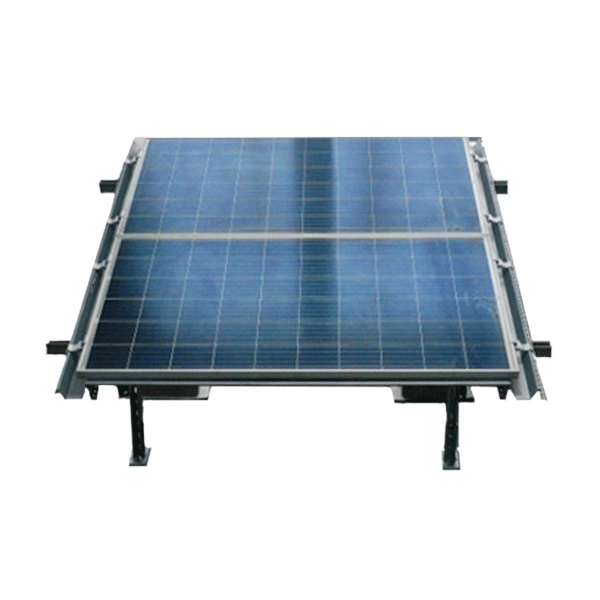
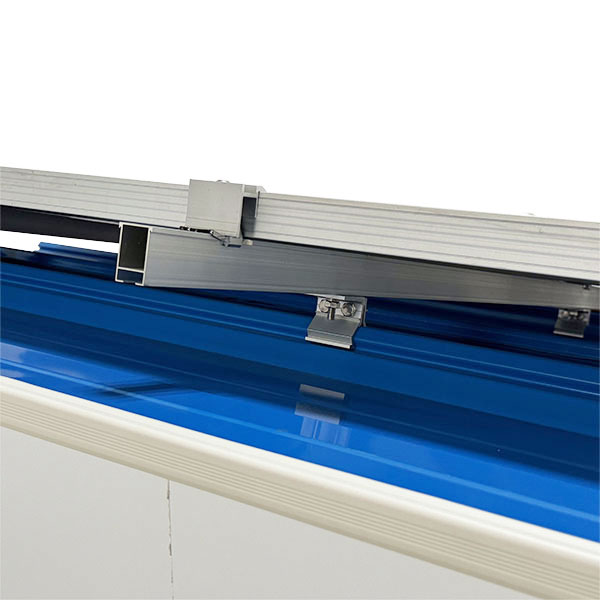
Another important advantage is improved compatibility between components. Modern solar mounting systems are often modular, allowing different parts to be assembled efficiently on-site. Precision manufacturing ensures that rails, brackets, clamps, and connectors fit together exactly as designed, even when produced in different production batches. This consistency simplifies inventory management, reduces installation errors, and makes future maintenance or component replacement much easier. Precision manufacturing also supports better corrosion protection. Surface treatments such as anodizing and hot-dip galvanizing perform more effectively when applied to components with smooth, accurately machined surfaces. Uniform dimensions allow protective coatings to be applied consistently across all parts, improving corrosion resistance and extending the service life of the mounting system. Well-finished precision parts also reduce the likelihood of coating defects that could expose the underlying material to environmental damage.
Quality control plays an essential role in maintaining the reliability of precision process parts. Advanced inspection equipment is used throughout production to verify dimensions, surface quality, hole positioning, and mechanical properties. Regular inspections ensure that every component meets strict engineering requirements before leaving the factory. This attention to detail helps prevent installation problems and gives project developers greater confidence in the long-term performance of the mounting system.
For large-scale solar projects, precision process parts also improve project economics. Components that fit correctly the first time reduce labor costs, minimize material waste, and eliminate the need for costly on-site rework. Faster installation allows projects to be completed sooner, enabling earlier power generation and improving return on investment. Over the operational life of the solar plant, reliable precision components also reduce maintenance requirements and help maintain stable system performance. At Alliance Solar, precision manufacturing is a fundamental part of our commitment to quality. Our precision process parts are produced using advanced manufacturing equipment and strict quality control procedures to ensure consistent accuracy and reliability. From raw material inspection to final product testing, every stage of production is carefully monitored to meet the high standards required for modern solar projects. Whether supplying standard mounting components or customized OEM and ODM solutions, we focus on delivering precision products that support efficient installation and long-term structural performance.