English
How Advanced CNC Processing Improves Solar Mounting Component Accuracy
In modern solar projects, mounting components must do more than simply support photovoltaic panels. Every bracket, connector, clamp, rail, and precision process part needs to fit correctly within the complete mounting structure. As solar installations become larger and project schedules become tighter, dimensional accuracy has become increasingly important. Advanced CNC processing provides manufacturers with the ability to produce solar mounting components with consistent dimensions, precise connection points, and repeatable quality, helping EPC contractors and installers achieve smoother and more reliable installations. CNC, or Computer Numerical Control, processing uses computer-controlled machinery to perform manufacturing operations according to programmed instructions. Compared with conventional manual processing, CNC equipment can control cutting, drilling, milling, punching, and other operations with a high degree of repeatability. For solar mounting components, this means that complex or tightly specified parts can be produced consistently according to approved engineering drawings.
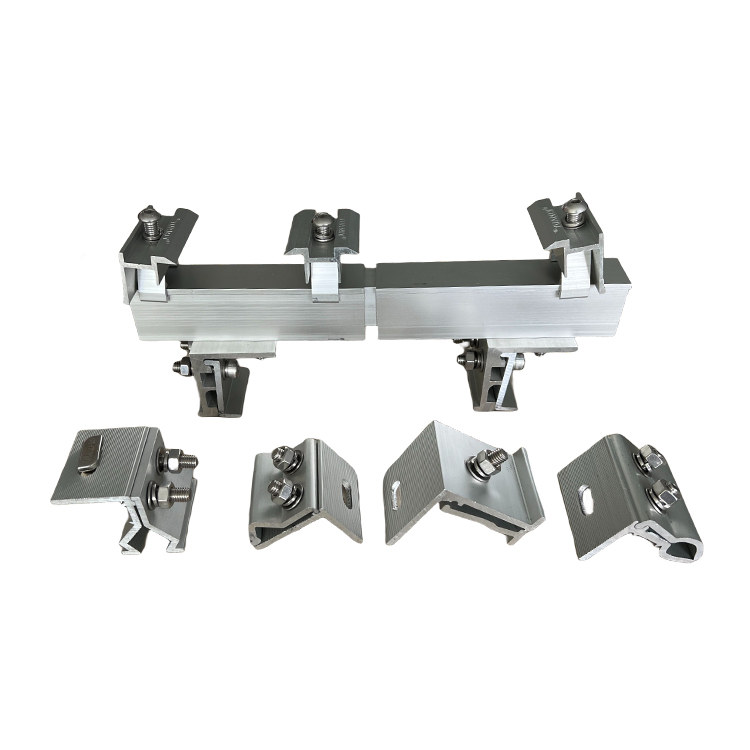
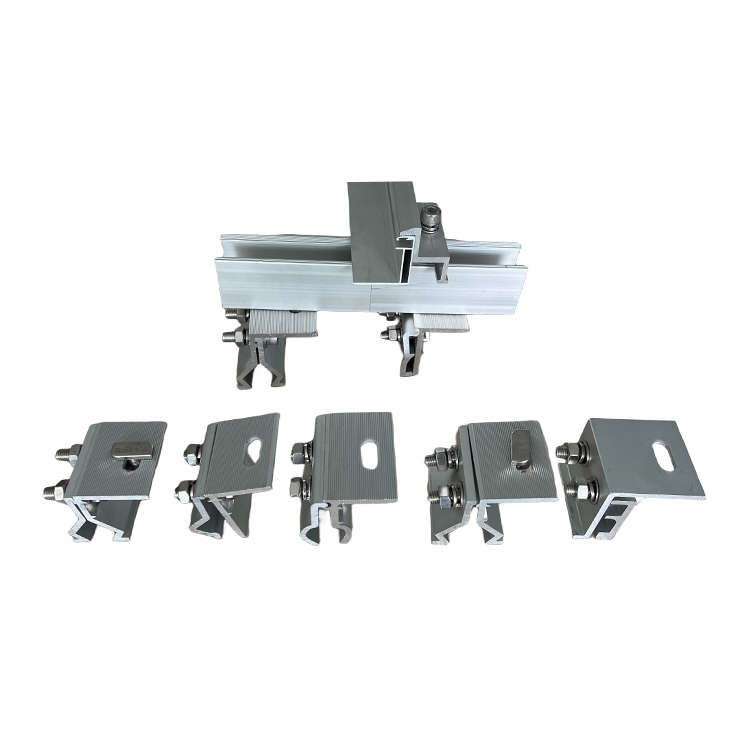
One of the biggest advantages of CNC processing is dimensional consistency. Solar mounting systems typically contain large quantities of similar components, and even small variations between individual parts can create problems during assembly. CNC machines follow the same programmed parameters for each production cycle, helping maintain consistent lengths, widths, hole positions, angles, and other critical dimensions. This consistency allows installers to assemble large mounting structures more efficiently. Hole positioning is particularly important for solar mounting components. Brackets and connectors often depend on accurately positioned holes or slots for bolts and other fasteners. If these connection points are incorrectly positioned, installers may have difficulty joining components or may need to make modifications at the project site. CNC drilling and machining help maintain accurate hole locations, reducing unnecessary adjustments and supporting secure structural connections.
CNC processing is also valuable when manufacturing customized solar mounting parts. Not every project can use standard components. Customers may require specific bracket dimensions, connection patterns, profiles, or other modifications to accommodate different panel types, roof structures, terrain, or installation methods. Once the customized design is converted into machine instructions, CNC equipment can repeatedly manufacture the required components according to the approved specifications. This makes CNC technology particularly suitable for OEM and ODM production. Another advantage is improved repeatability across large production batches. A utility-scale solar project may require thousands of identical brackets or connectors. Producing these parts manually can result in greater variation from one batch or operator to another. CNC processing establishes a more controlled manufacturing process, allowing the same design parameters to be reproduced throughout production. This is especially important when customers need consistent components for projects that are constructed in multiple phases.
Advanced CNC processing can also improve production efficiency. Automated machine operations reduce the amount of manual intervention required for repetitive processing tasks. Once the equipment is properly programmed and set up, multiple components can be processed efficiently while maintaining consistent quality. Higher production efficiency helps manufacturers respond to large orders and demanding project schedules without sacrificing precision. Accuracy at the manufacturing stage can have a direct impact on installation costs. When components fit together correctly, installers spend less time measuring, adjusting, drilling additional holes, or correcting alignment problems. This can reduce labor requirements and shorten construction schedules. For large solar projects, where installation involves extensive numbers of components, small savings on individual installation steps can add up to significant overall project benefits.
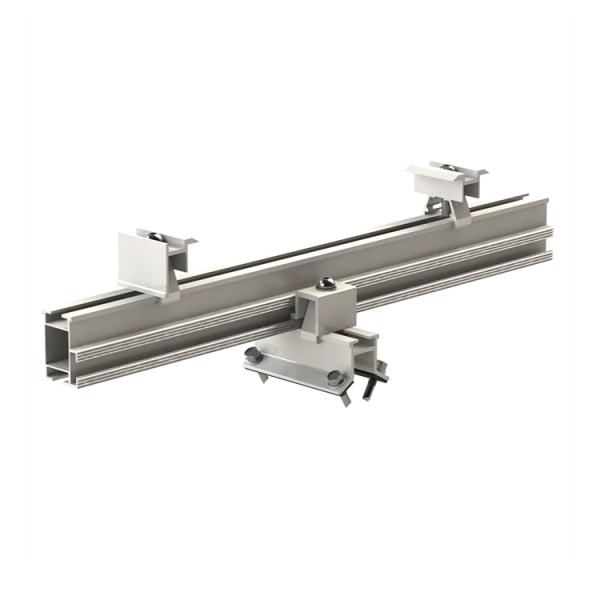
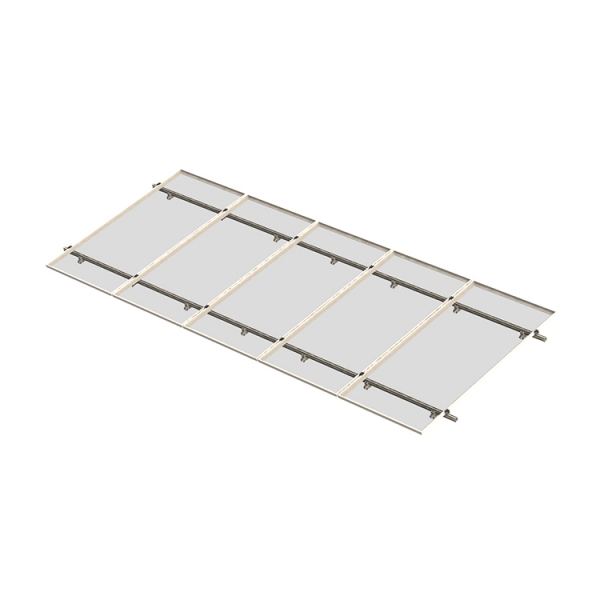
CNC processing also supports better quality control. Because machine parameters can be monitored and standardized, manufacturers can establish clear production specifications for each component. Finished parts can then be checked against engineering drawings using inspection equipment and measuring tools. If a dimensional deviation is identified, production parameters can be reviewed and adjusted before large quantities of components are affected. This combination of controlled machining and inspection helps maintain stable product quality. Surface quality can also benefit from appropriate CNC machining processes. Smooth and accurately processed surfaces can improve the fit between connected components and reduce unwanted contact points or manufacturing imperfections. For components that later receive anodizing, galvanizing, or other surface treatments, proper preparation can also contribute to more consistent finishing results. These details become important when mounting systems are expected to remain outdoors for decades.
Precision does not mean that CNC processing alone determines the final quality of a solar mounting component. Material quality, machine calibration, tooling condition, operator expertise, engineering design, and final inspection all influence the finished product. A reliable manufacturer therefore needs to control the complete manufacturing process rather than relying on a single technology. CNC equipment is most effective when integrated into a broader quality management system. At Alliance Solar, precision manufacturing is an important part of our approach to solar mounting products and precision process parts. With 15 production lines and an 18,000-square-meter manufacturing facility, we combine advanced processing capabilities with engineering support and quality control. Our team works with customers to understand technical drawings and project requirements before production, helping ensure that customized components meet the intended specifications. Our OEM and ODM capabilities also allow us to support customers requiring specialized solar mounting parts.
For international solar projects, manufacturing accuracy can make a significant difference. Components may travel thousands of kilometers before reaching the installation site, making on-site corrections inconvenient and expensive. Producing accurate parts at the factory helps reduce the likelihood of installation problems after delivery. It also gives EPC contractors greater confidence that the components supplied for different project phases will remain compatible and consistent. In conclusion, advanced CNC processing improves solar mounting component accuracy by providing precise, repeatable, and efficient manufacturing. Accurate dimensions, reliable hole positioning, consistent batch production, and flexible customization all contribute to easier installation and stronger structural performance. As solar projects continue to become larger and more technically demanding, precision manufacturing will remain an essential capability for mounting system suppliers. By combining CNC processing with experienced engineering and strict quality control, manufacturers such as Alliance Solar can provide solar mounting components that help customers achieve efficient installation, dependable performance, and long-term project value.