English

Adapting Solar Mounting Brackets to Different Panel Frame Dimensions
Solar panels are available in various sizes, thicknesses, frame designs, and structural configurations. As photovoltaic technology continues to develop, manufacturers are introducing larger and more powerful modules to meet the growing demand for renewable energy. However, these differences create new requirements for solar mounting components. Brackets designed for one panel model may not fit another correctly, making dimensional compatibility an important consideration when selecting a mounting solution. Adapting solar mounting brackets to different panel frame dimensions helps ensure secure installation, consistent alignment, and reliable system performance. One of the first factors to consider is panel frame thickness. Solar modules are manufactured with different aluminum frame profiles, and the thickness directly affects how clamps and brackets connect to the panel. A clamp designed for a thicker frame may not provide an appropriate fit on a thinner module. Therefore, manufacturers need to understand the exact frame dimensions before determining the suitable bracket configuration. Proper compatibility helps maintain secure connections without applying unnecessary pressure to the module frame.
Panel dimensions also influence the overall mounting arrangement. Larger modules may have different mounting point positions and structural requirements compared with smaller panels. Bracket length, rail spacing, and connection locations may need to be adjusted to accommodate these differences. Accurate measurements help ensure that mounting components support the panel according to its installation specifications while maintaining the intended system layout. Clamping position is another important consideration. Solar panel manufacturers generally specify approved areas where mounting clamps can be applied. These positions are designed according to the module's structural characteristics and mechanical load requirements. Mounting brackets should therefore be adapted to match the approved clamping zones rather than relying on a universal position. Following the module manufacturer's installation instructions helps reduce the risk of frame damage and improper load distribution.
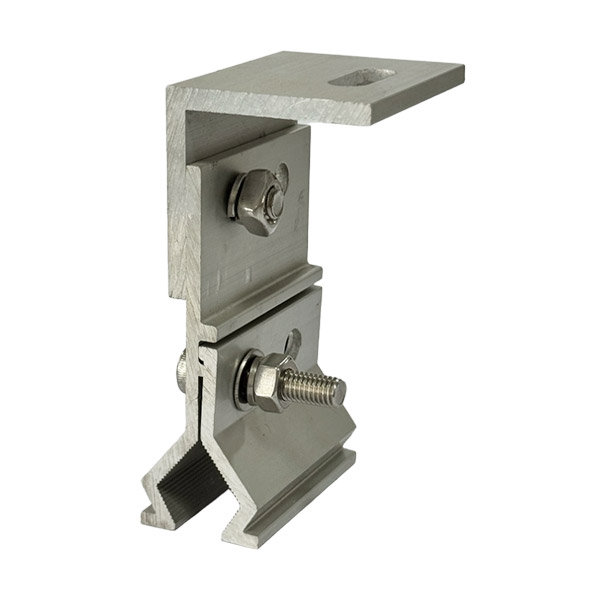
Customized bracket design offers greater flexibility when standard components cannot meet specific requirements. Depending on the project, manufacturers may adjust bracket width, height, thickness, hole positions, and connection geometry. These modifications allow mounting components to accommodate different frame profiles and installation configurations. For OEM and ODM projects, technical drawings and detailed specifications provide a useful starting point for developing suitable customized parts. Material selection must also be considered when adapting brackets. Aluminum is widely used in solar mounting applications because of its lightweight characteristics and corrosion resistance. Steel components may be preferred where particular strength or structural requirements apply. The appropriate material depends on the bracket's function, expected loads, environmental exposure, and overall system design. Surface treatments should also be selected according to the operating environment to support long-term durability.
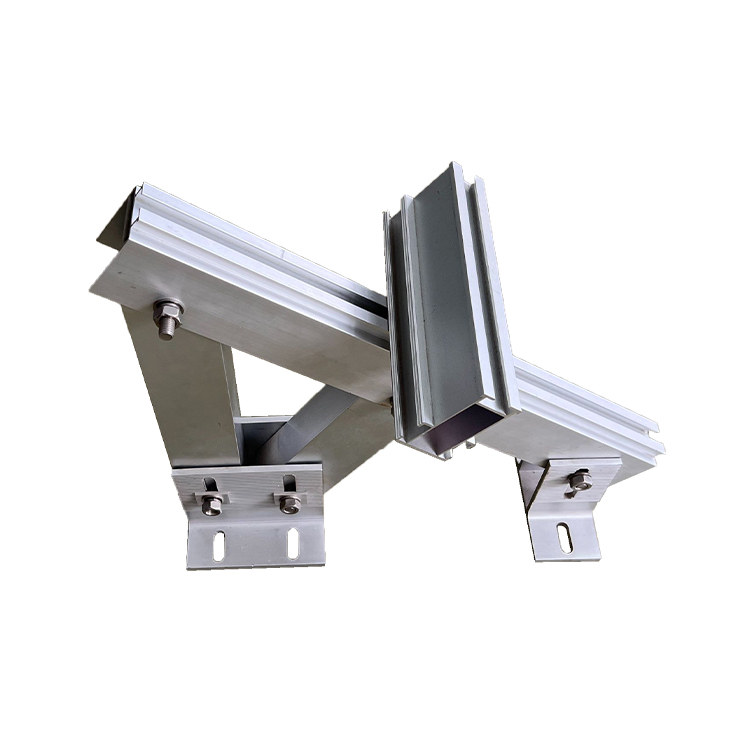
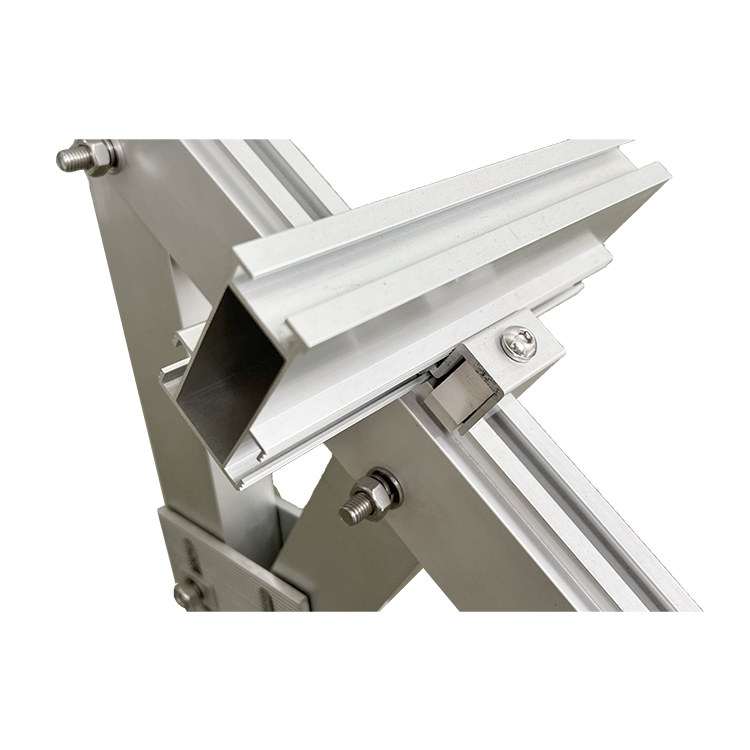
Manufacturing precision plays a significant role in achieving dimensional compatibility. Even a small difference in bracket dimensions or hole positions can make installation more difficult, especially when components are used in large quantities. Processes such as CNC machining, cutting, punching, and forming can help manufacturers produce customized brackets according to approved drawings. Consistent production dimensions allow installers to assemble components more efficiently and reduce unnecessary adjustments on site. Testing and sample verification are valuable steps before large-volume production. Manufacturers can produce an initial sample based on the customer's panel specifications and evaluate its dimensions, connection positions, and overall fit. Buyers can review the sample against the actual module frame or approved technical drawings before confirming mass production. This process helps identify design issues early and reduces the possibility of producing incompatible components in large batches.
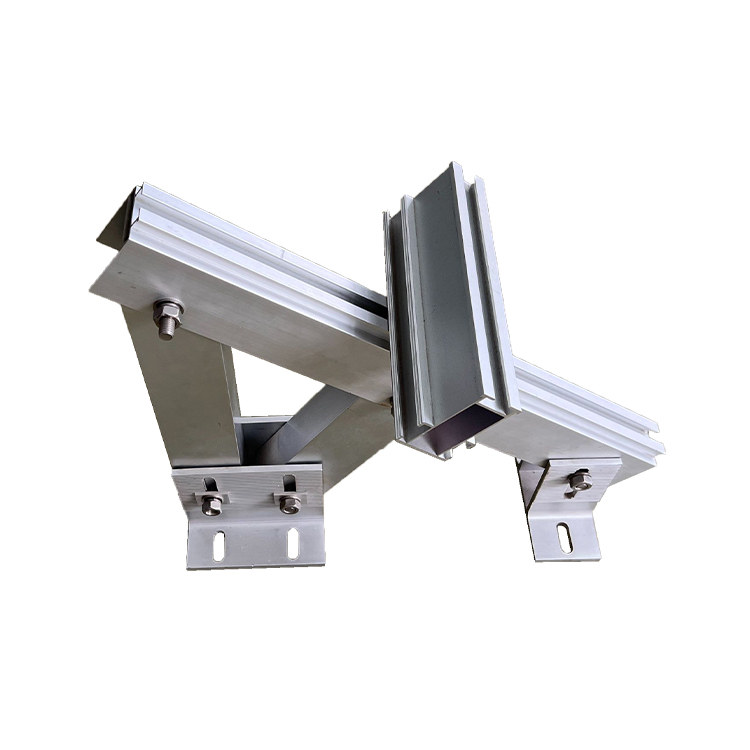
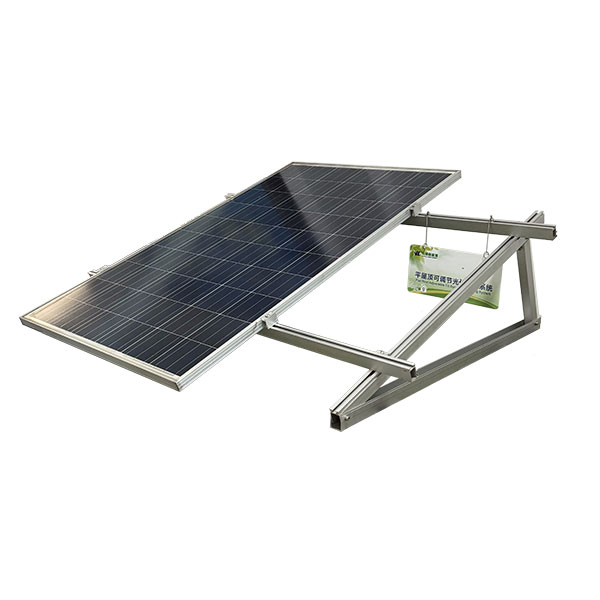
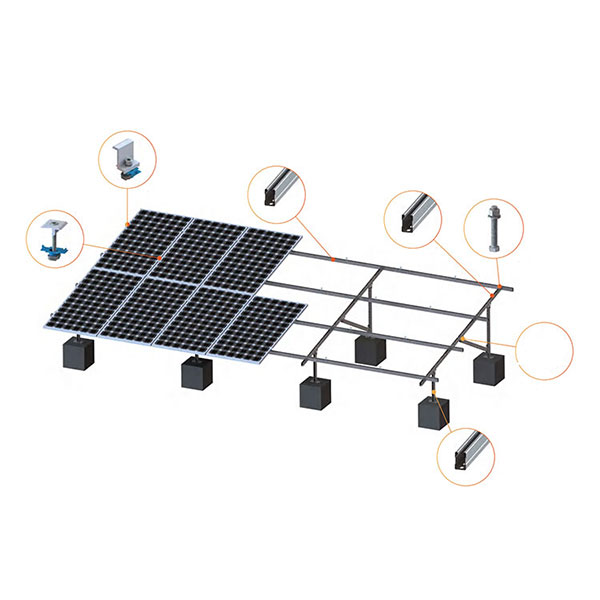
Another important factor is compatibility with the complete mounting structure. A bracket may fit the panel frame correctly but still need to connect with specific rails, support members, or fasteners. Therefore, customization should consider both the panel interface and the structural connection. Reviewing the complete assembly helps ensure that changes to one component do not create unexpected problems elsewhere in the mounting system. For international solar projects, panel models and mounting requirements may vary between markets. Buyers should provide accurate module datasheets, frame drawings, installation manuals, and project-specific requirements when requesting customized brackets. Clear communication helps manufacturers understand the intended application and recommend appropriate dimensions. Maintaining approved drawings and product specifications also makes future replacement orders easier to coordinate.
At Alliance Solar, our product range includes solar panel brackets, solar mounting bracket parts, and precision process parts, supported by OEM and ODM services. We work with customers to understand different panel frame dimensions, technical drawings, and installation requirements when developing customized components. With a focus on manufacturing consistency, quality control, and customer communication, we aim to provide mounting solutions that integrate effectively with different photovoltaic applications. Ultimately, adapting solar mounting brackets to different panel frame dimensions requires careful attention to frame thickness, module size, clamping positions, material selection, and connection compatibility. Accurate engineering specifications and precision manufacturing help ensure that customized components fit their intended applications. By confirming these details before production, solar project developers and installers can reduce installation difficulties and build mounting systems that provide secure, consistent support for photovoltaic modules throughout their service life.