English

What Information Should Buyers Prepare Before Requesting a Solar Mounting Quote?
Requesting a solar mounting quotation is an important step in planning a photovoltaic project. However, providing only the required quantity and a general product description may not be enough for manufacturers to prepare an accurate offer. Solar mounting components vary according to panel specifications, installation environments, structural requirements, and project conditions. Preparing the necessary information in advance helps manufacturers understand customer expectations, recommend suitable solutions, and avoid unnecessary communication delays. The first thing buyers should provide is basic project information. This includes the project location, application type, installation environment, and estimated project capacity. Whether the system is designed for a residential rooftop, commercial building, industrial facility, or ground-mounted solar farm can significantly influence the mounting structure. Sharing the project background allows manufacturers to understand the intended application before recommending suitable components.
Solar panel specifications are another essential requirement. Buyers should provide the panel manufacturer's name, model number, dimensions, thickness, weight, and frame specifications whenever available. Different modules may require different clamp positions, bracket dimensions, and connection arrangements. Having accurate panel information helps manufacturers evaluate compatibility and reduce the possibility of ordering components that do not fit the selected modules. Installation details should also be clearly explained. For rooftop projects, buyers should identify the roof type, such as metal sheet, tile, concrete, or another surface. Ground-mounted projects may require information about terrain, soil conditions, foundation preferences, and available installation space. These details help manufacturers understand the structural configuration and identify potential design considerations before preparing a quotation.
Technical drawings are particularly valuable when requesting customized solar mounting components. Buyers can provide CAD files, engineering drawings, sketches, or reference photographs showing the required dimensions and connection positions. Drawings should include important measurements, tolerances, material thicknesses, and other relevant specifications. Even preliminary drawings can help manufacturers assess production feasibility and identify missing information before moving forward. Material and surface treatment requirements should also be confirmed. Solar mounting components may use aluminum, galvanized steel, stainless steel, or other materials depending on their structural function and environmental exposure. Buyers should specify their preferred material, grade where applicable, and required finishing process, such as anodizing, galvanizing, or powder coating. If these requirements are not yet determined, manufacturers can discuss suitable options based on the application and project conditions.
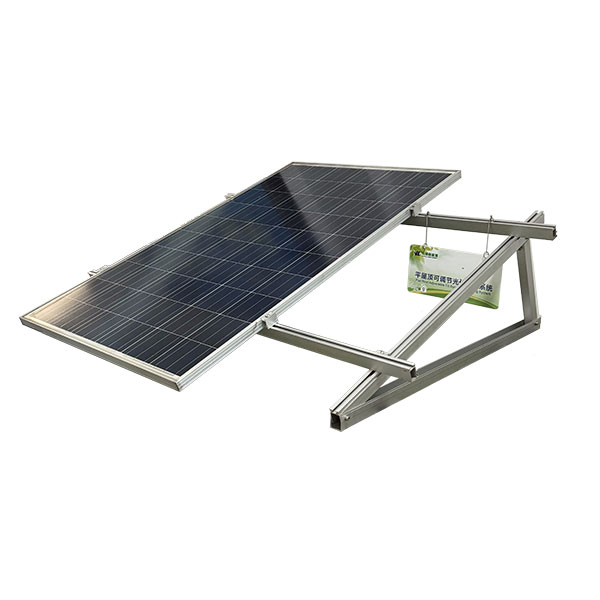
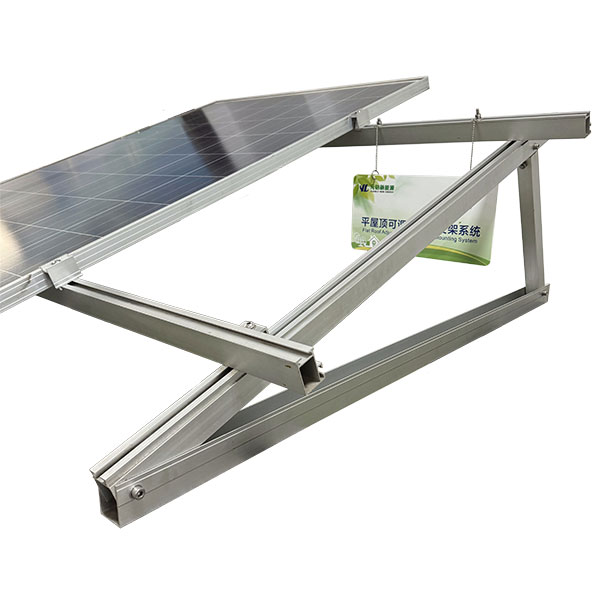
Environmental and structural requirements are equally important. Information about local wind conditions, snow loads, corrosion exposure, temperature variations, and applicable design standards can help manufacturers understand the expected operating environment. Buyers should share any available engineering requirements or project specifications rather than relying on general assumptions. The final mounting configuration should be evaluated by qualified professionals according to relevant local standards. Quantity and delivery expectations should be included in the quotation request. Buyers should indicate the estimated number of components, total project quantity, expected order schedule, and preferred delivery date. For large projects, it may also be useful to provide a phased delivery plan. This information allows manufacturers to evaluate production arrangements, material requirements, packaging, and transportation options more effectively.
Packaging and shipping details are another consideration, especially for international orders. Buyers should provide the destination country, delivery location, preferred shipping method, and any special packaging requirements. If the components need individual labels, part numbers, protective wrapping, or customized pallet arrangements, these details should be communicated before production. Proper planning helps reduce handling difficulties and supports smoother delivery coordination. For OEM and ODM projects, buyers should also clarify customization expectations. This may include special dimensions, connection designs, branding, packaging, or modifications to existing mounting components. If samples or reference products are available, sharing them can help manufacturers understand the required design more accurately. Buyers should also confirm the approval process for technical drawings and initial samples before mass production begins.
Clear communication about quality requirements can further improve quotation accuracy. Buyers should identify any required certifications, inspection procedures, material documentation, dimensional tolerances, or quality reports. Not every project has identical documentation requirements, so confirming expectations at the beginning helps both parties establish an appropriate production and inspection plan. It also reduces the possibility of disagreements after manufacturing has started. At Alliance Solar, we understand that every photovoltaic project has different technical and commercial requirements. Our product range includes solar mounting bracket parts, solar panel brackets, and precision process parts, supported by OEM and ODM services. We welcome project drawings, product specifications, and customization requests to help evaluate customer needs. Through technical communication, manufacturing experience, and quality-focused production, we aim to support customers from initial quotation discussions to order fulfillment.
Ultimately, a detailed quotation request helps buyers and manufacturers work more efficiently. Project information, panel specifications, installation conditions, drawings, materials, quantities, delivery schedules, and quality expectations all contribute to a clearer understanding of the order. Preparing these details before contacting a supplier can reduce misunderstandings, improve quotation accuracy, and accelerate the purchasing process. For buyers seeking a reliable solar mounting partner, good preparation is the first step toward successful project cooperation.