English
How Mounting Systems Support Bifacial Solar Panel Performance
Bifacial solar panels are changing the way photovoltaic systems capture sunlight. Unlike conventional modules that primarily generate electricity from the front side, bifacial modules can also use sunlight reaching their rear surface. This additional energy-generation capability makes them attractive for ground-mounted, commercial, and utility-scale projects. However, the module itself is only part of the equation. The solar mounting system plays an important role in creating the right conditions for bifacial panels to capture more available light. The basic principle behind bifacial performance is relatively simple: sunlight reaches the front of the panel directly, while reflected and scattered light can reach the rear side. The amount of rear-side irradiance depends on factors such as ground reflectivity, panel height, row spacing, tilt angle, and surrounding conditions. Because the mounting structure occupies space around the module, its design can either support or restrict this additional light collection. Careful structural planning is therefore essential when installing bifacial modules.
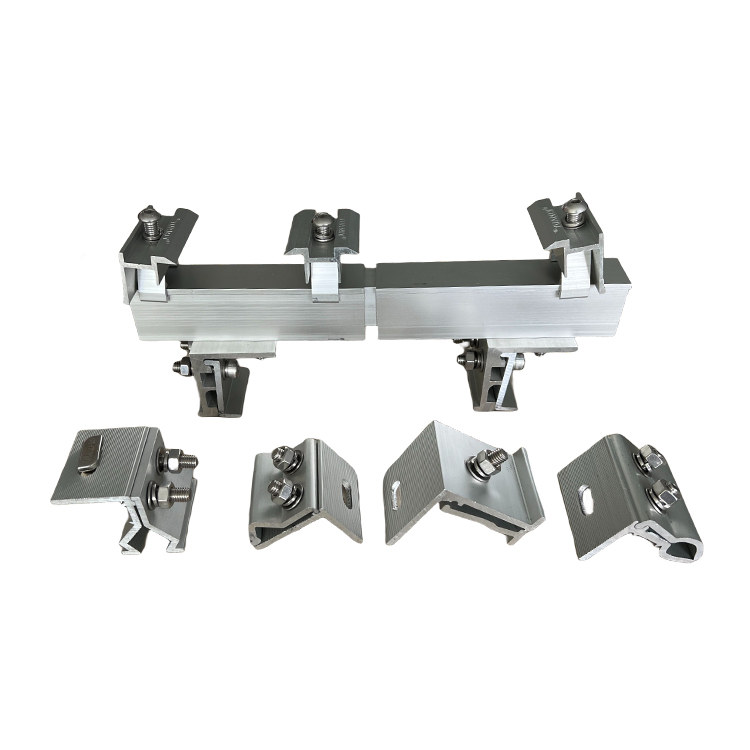
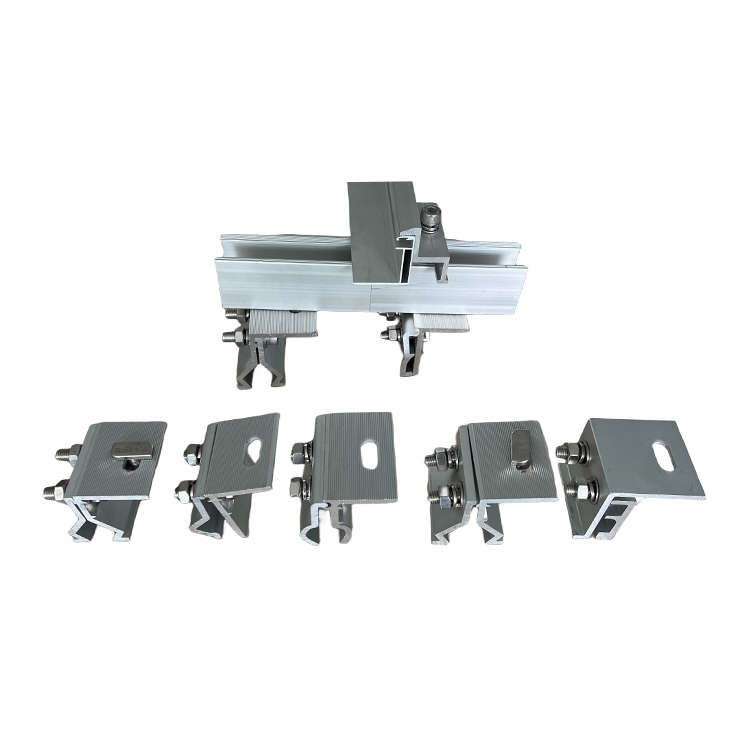
One important consideration is reducing unnecessary shading on the rear surface. Rails, brackets, clamps, and support components are necessary for structural stability, but oversized or poorly positioned components can block part of the incoming rear-side light. Modern mounting designs can optimize the position and dimensions of these components to maintain sufficient mechanical support while minimizing obstruction. This balance allows the mounting system to contribute to energy performance without sacrificing structural reliability. Panel height above the ground is another factor that can influence bifacial performance. A suitable clearance gives reflected light more opportunity to reach the rear of the module. In ground-mounted solar farms, engineers can adjust mounting height according to project conditions and structural requirements. However, higher structures may require additional material and stronger resistance to wind loads, so the design needs to balance rear-side light availability with construction costs and mechanical performance.
Ground reflectivity also has an important role in determining the additional energy available to bifacial modules. Light-colored surfaces such as certain types of gravel, sand, concrete, or snow can reflect more sunlight toward the rear of the panels. A mounting structure should provide appropriate clearance and spacing to take advantage of this reflected light. Therefore, the mounting design and ground conditions should be considered together during project planning. Row spacing is equally important for large ground-mounted installations. When rows are positioned too closely, they can create shadows that reduce rear-side irradiance on neighboring modules. Designers can evaluate the module dimensions, tilt angle, geographic location, and seasonal sun position when establishing the layout. Appropriate spacing can improve light access while also providing sufficient room for installation, inspection, and maintenance activities.
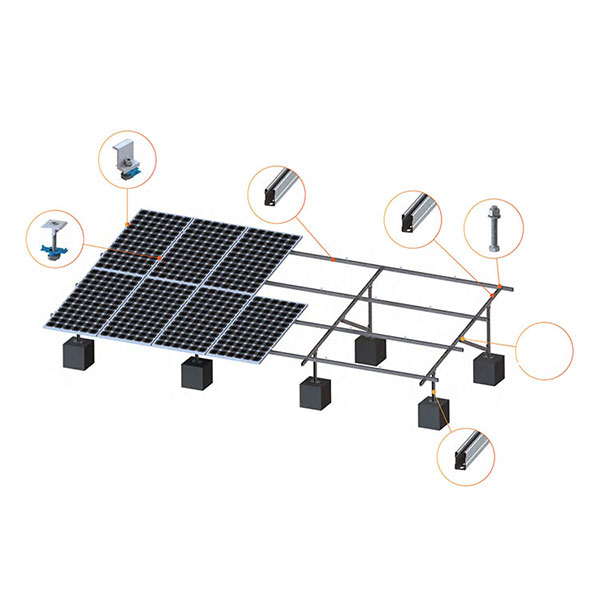
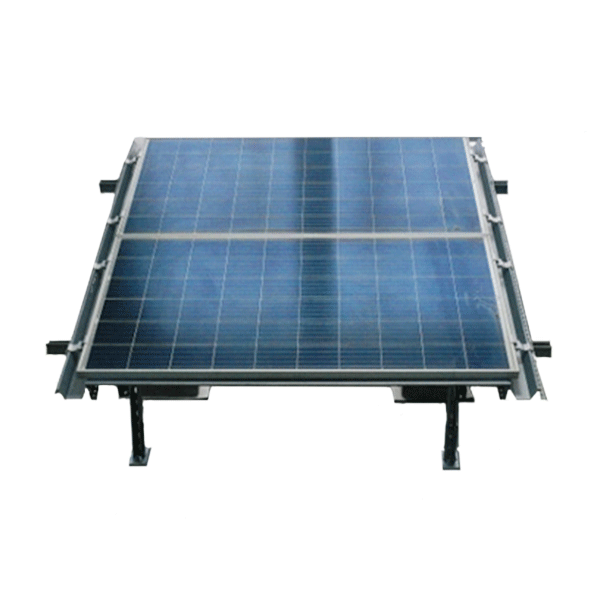
Tilt angle affects both front-side and rear-side energy collection. A properly selected angle helps the front surface receive direct sunlight while influencing the amount and direction of reflected light reaching the back. Adjustable or carefully engineered mounting structures give project designers greater control over module positioning. The ideal configuration depends on local solar conditions, land availability, structural requirements, and the overall objectives of the project. Structural reliability must remain a priority when optimizing a mounting system for bifacial modules. Components cannot simply be reduced or repositioned without considering the loads they carry. Solar structures must withstand wind, snow, temperature changes, and other environmental forces throughout their operating life. A well-engineered design combines unobstructed rear-side exposure with sufficient strength, ensuring that energy optimization does not compromise system safety.
Material selection also contributes to long-term mounting performance. Aluminum is valued for its lightweight characteristics and corrosion resistance, while steel provides high strength and load-bearing capability for many ground-mounted applications. Suitable fasteners and protective surface treatments further help structures withstand outdoor conditions. Durable materials allow mounting components to maintain their mechanical properties and connection stability throughout years of exposure. Precision manufacturing is especially valuable for bifacial solar installations. Consistent brackets, rails, clamps, and connectors help maintain uniform panel height, orientation, and spacing across the array. Accurate dimensions also reduce installation adjustments and ensure that the finished system closely follows the intended engineering design. For large projects, this consistency can simplify installation and contribute to more uniform operating conditions throughout the solar field.
Alliance Solar provides solar mounting solutions designed around the practical requirements of modern photovoltaic projects. Our product range includes solar panel brackets, solar mounting bracket parts, and precision process parts, supported by OEM and ODM capabilities. By combining engineering communication, precision manufacturing, and quality control, we work with customers to develop mounting components suitable for different project conditions and installation requirements. In conclusion, bifacial solar panels require more than advanced module technology to achieve their potential. Mounting design influences rear-side shading, panel elevation, row spacing, tilt angle, and structural stability, all of which can affect overall system performance. By carefully coordinating these factors, project developers can create mounting configurations that support effective bifacial energy collection. As bifacial technology continues to expand, optimized solar mounting structures will remain an important part of building efficient, durable, and reliable photovoltaic systems.