English
What Global Buyers Look for in a Solar Mounting Manufacturing Partner
As the global solar industry continues to expand, selecting the right manufacturing partner has become a strategic decision for EPC contractors, distributors, project developers, and solar equipment suppliers. While product price remains an important consideration, today's global buyers evaluate suppliers based on a much broader range of factors, including engineering capability, manufacturing quality, production capacity, technical support, and long-term reliability. A trusted solar mounting manufacturer is more than just a supplier—it is a partner that contributes to the success of every solar project from planning to installation and beyond. One of the first qualities global buyers look for is proven manufacturing experience. Companies with years of industry expertise are generally better equipped to understand the technical requirements of different solar projects and market standards. Experienced manufacturers have refined their production processes, solved challenges across various applications, and accumulated valuable engineering knowledge. This experience helps ensure consistent product quality and reliable project execution.
Engineering capability is another critical factor. Every solar installation has unique site conditions, including wind loads, snow loads, roof structures, soil conditions, and local regulations. Buyers expect manufacturers to provide engineering support that goes beyond supplying standard products. A strong manufacturing partner should be able to customize mounting solutions, optimize structural designs, and provide technical calculations that improve safety, efficiency, and cost-effectiveness. Engineering expertise allows projects to achieve better performance while reducing installation risks. Product quality and manufacturing consistency are among the highest priorities for international customers. Large solar projects require thousands of mounting components that must fit together accurately. Even small dimensional variations can create installation difficulties, increase labor costs, and affect structural stability. Buyers prefer manufacturers that operate advanced production equipment, implement strict quality control systems, and maintain consistent product accuracy across every production batch. Reliable quality reduces project risks and improves long-term system performance.
Production capacity is equally important, particularly for utility-scale solar developments. Global buyers need confidence that a manufacturer can deliver large order volumes without compromising quality or delivery schedules. Sufficient factory space, automated production lines, skilled workers, and efficient production planning all contribute to reliable manufacturing capacity. Suppliers with strong production capabilities can better support multiple international projects simultaneously while maintaining consistent lead times. On-time delivery has become a key competitive advantage in today's solar market. Construction schedules are often tightly planned, and delays in mounting system delivery can affect the entire project timeline. Global buyers value manufacturers with efficient supply chain management, organized production scheduling, and dependable logistics coordination. Reliable delivery helps EPC contractors complete projects on schedule and avoid unnecessary financial losses caused by construction delays.
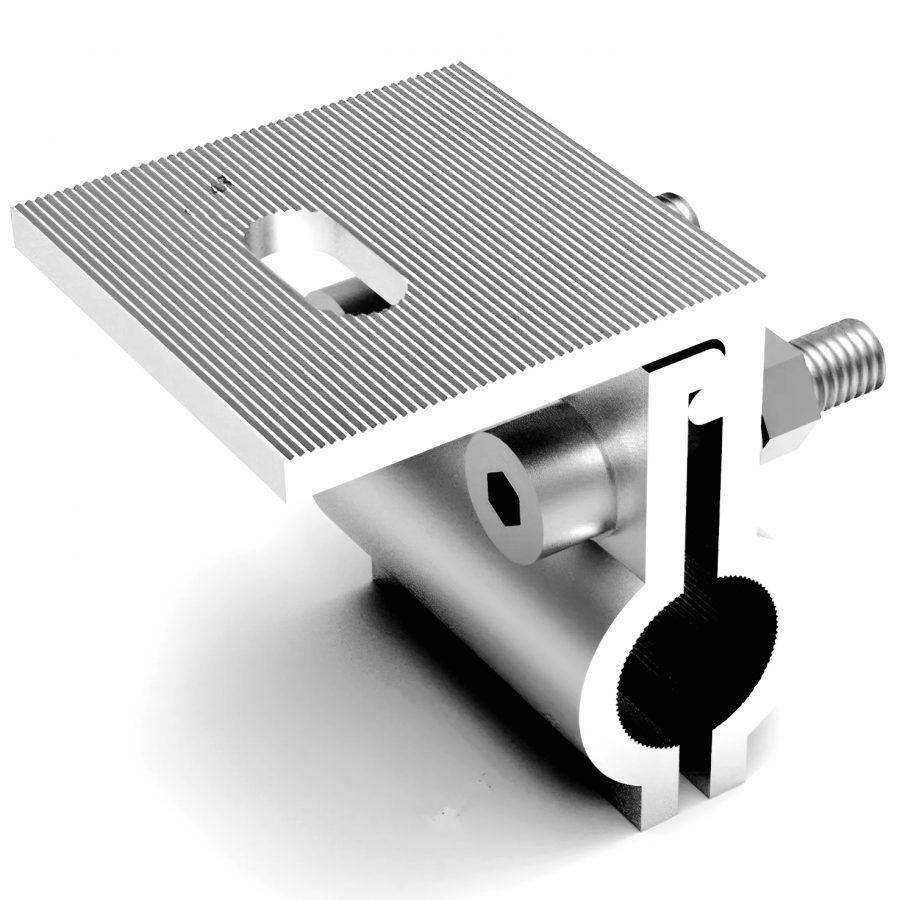
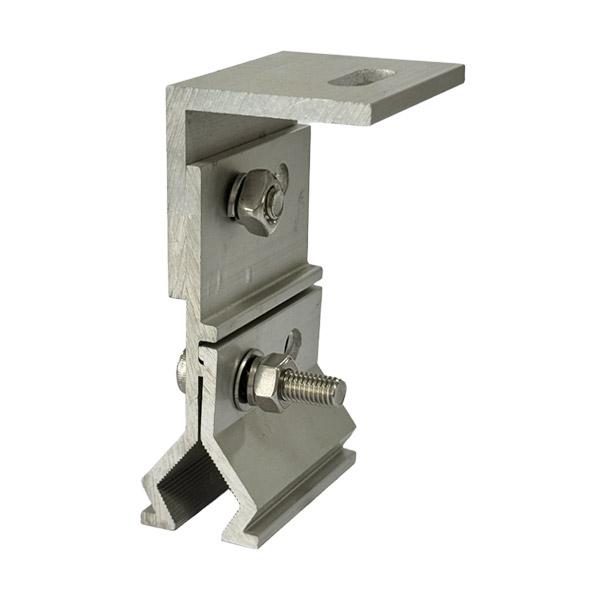
Customization capability is another important requirement. Every market has different installation methods, building regulations, and environmental conditions. Buyers increasingly seek OEM and ODM manufacturers that can develop customized mounting systems for specific applications. Whether adjusting dimensions, selecting different materials, or designing unique structural solutions, flexible customization enables customers to remain competitive in their local markets while meeting project-specific requirements. International certifications also play a significant role in supplier selection. Buyers often require mounting systems that comply with recognized quality standards such as ISO9001 and TUV certifications. These certifications demonstrate that the manufacturer follows standardized production processes and quality management systems. Compliance with international standards gives customers greater confidence in product reliability and simplifies project approval in many countries.
Reputation and global project experience are often the final deciding factors. Buyers prefer manufacturers with successful installations across multiple countries and diverse environmental conditions. A proven track record demonstrates that the supplier's products have been tested in real-world applications and can perform reliably over the long term. Customer references, completed projects, and international partnerships provide additional confidence when selecting a manufacturing partner. At Alliance Solar, we understand the expectations of global buyers because we have built our business around them. Founded in 2011, our company operates a modern manufacturing facility with 15 production lines and an annual production capacity of up to 1.5GW. We provide ISO9001 and TUV-certified solar mounting systems, OEM and ODM services, precision manufacturing, and comprehensive engineering support. Our products have been exported to more than 50 countries and are used in over 20GW of solar projects worldwide, reflecting our commitment to quality, innovation, and customer satisfaction.
In conclusion, global buyers look for much more than competitive pricing when choosing a solar mounting manufacturing partner. They seek engineering expertise, consistent quality, production capacity, customization flexibility, reliable delivery, technical support, international certifications, and proven project experience. Manufacturers that combine these strengths are well positioned to become long-term strategic partners, helping customers successfully deliver safe, efficient, and reliable solar projects around the world.