English
How Solar Mounting Innovation Supports the Global Energy Transition
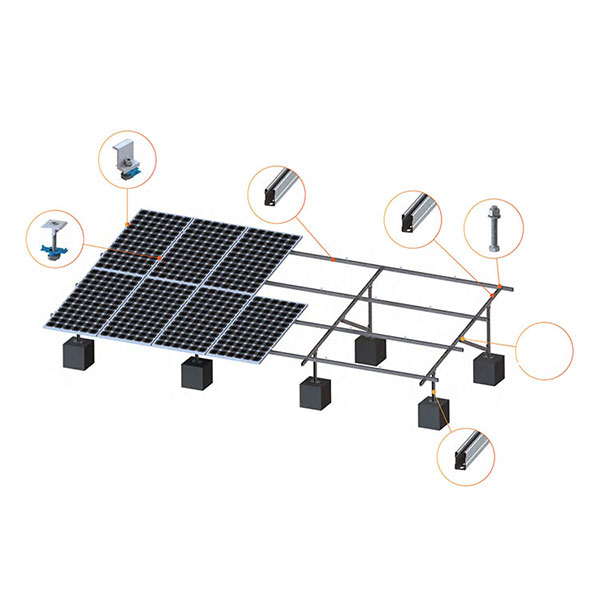
The global transition to clean energy is accelerating as countries, businesses, and communities work to reduce carbon emissions and increase the use of renewable power. Solar energy has become one of the fastest-growing sources of electricity because of its declining costs, technological advancements, and environmental benefits. While solar panels and energy storage systems often receive the most attention, solar mounting systems play an equally important role in supporting this transformation. Continuous innovation in mounting technology is helping make solar power more efficient, reliable, and accessible, contributing significantly to the global energy transition. Solar mounting systems provide the structural foundation that supports photovoltaic modules throughout their operational life. A well-designed mounting system ensures that panels remain securely positioned under various environmental conditions while maintaining the optimal angle for sunlight exposure. As solar installations become larger and more diverse, mounting innovation has evolved beyond simple structural support to become a key driver of project performance, installation efficiency, and long-term sustainability.
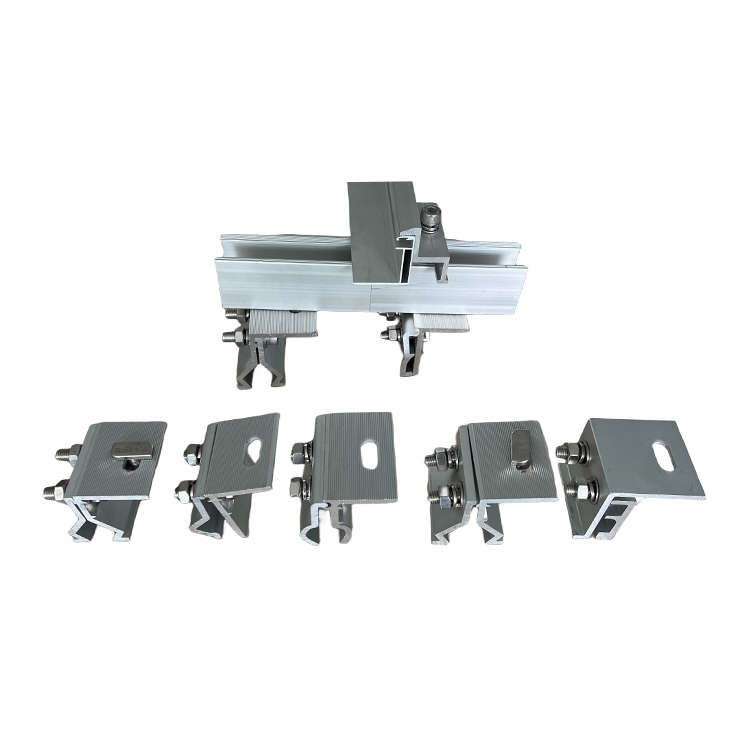
One of the most significant contributions of mounting innovation is improving installation speed. As global demand for solar energy continues to rise, developers are under increasing pressure to complete projects quickly. Modern mounting systems feature modular designs, pre-assembled components, and standardized connections that significantly reduce installation time. Faster installation allows solar power plants to begin generating electricity sooner, accelerating the deployment of renewable energy infrastructure around the world. Innovation in mounting design also helps expand the range of locations suitable for solar development. Traditional installations were often limited to flat land or simple rooftop structures. Today, advanced mounting systems can adapt to sloped terrain, uneven ground, floating platforms, agricultural land, and complex industrial rooftops. Adjustable structures and customized engineering solutions enable developers to utilize previously unsuitable sites, increasing the available space for solar power generation without competing for valuable land resources.
Another important area of innovation is structural optimization. Modern mounting systems are designed using advanced engineering software that analyzes wind loads, snow loads, seismic activity, and thermal expansion. These precise calculations allow manufacturers to optimize structural strength while reducing unnecessary material usage. Lightweight yet durable mounting systems improve project efficiency, lower transportation costs, and reduce the environmental impact associated with manufacturing and logistics. Material innovation has further strengthened the sustainability of solar mounting systems. High-strength aluminum alloys and galvanized steel provide excellent durability while resisting corrosion in harsh outdoor environments. Improved surface treatments such as anodizing and hot-dip galvanization extend product lifespan and reduce maintenance requirements. Longer-lasting mounting systems support the long operational life expected from solar power plants and reduce the need for component replacement, contributing to better resource efficiency.
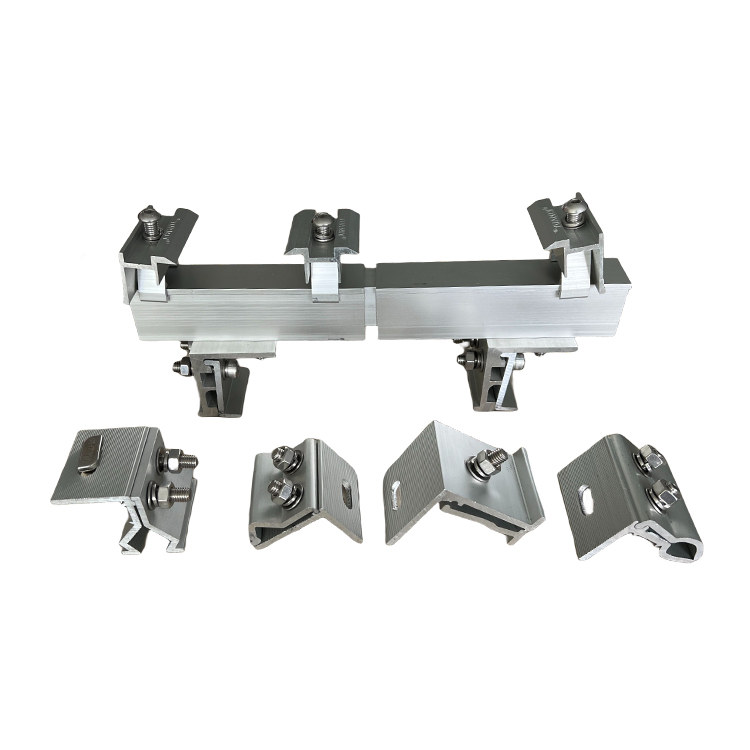
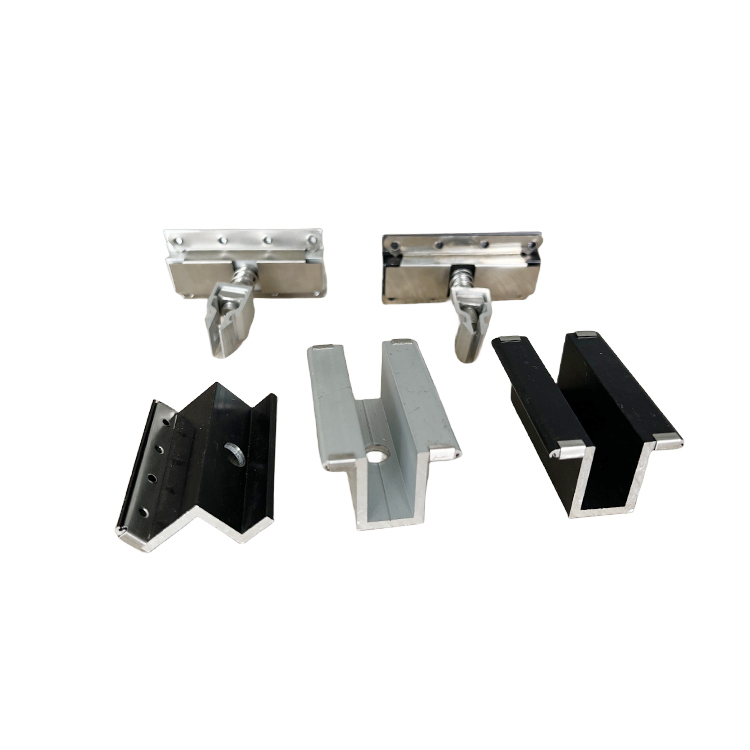
Solar mounting innovation also supports higher energy production. Adjustable tilt structures and optimized panel positioning help maximize sunlight exposure throughout the year. Some advanced mounting systems are compatible with tracking technologies that allow panels to follow the sun's movement, increasing electricity generation compared to fixed installations. Even for fixed systems, improved engineering ensures optimal panel orientation based on local geographic conditions, helping projects achieve greater energy yield. As climate change brings more frequent extreme weather events, mounting system innovation has become increasingly focused on resilience. Modern structures are engineered to withstand stronger winds, heavier snowfall, higher temperatures, and more demanding environmental conditions. Enhanced structural reliability reduces operational risks and protects valuable solar assets, ensuring continuous clean energy generation even in challenging climates.
Manufacturing innovation also contributes to the global energy transition. Advanced CNC machining, automated production lines, robotic processing, and digital quality control systems enable manufacturers to produce high-precision mounting components at large scale. Consistent product quality improves installation efficiency and ensures reliable long-term performance. High-volume manufacturing also helps meet the rapidly growing global demand for renewable energy infrastructure. Customization has become another key advantage of innovative mounting solutions. Every solar project has unique site conditions, regulatory requirements, and performance goals. Modern OEM and ODM capabilities allow manufacturers to develop customized mounting systems tailored to specific customer needs. Whether designing for residential rooftops, commercial buildings, utility-scale solar farms, or specialized applications, customized engineering helps optimize both technical performance and project economics.
Innovation in solar mounting systems also supports the broader goal of reducing the total cost of solar electricity. Improved installation efficiency, optimized material usage, reduced maintenance requirements, and enhanced structural durability all contribute to lower lifecycle costs. As the cost of deploying solar projects continues to decline, renewable energy becomes more competitive with traditional power generation, encouraging wider adoption across global markets. At Alliance Solar, innovation is integrated into every stage of product development and manufacturing. With advanced production facilities, professional engineering expertise, and comprehensive OEM and ODM capabilities, we continuously develop mounting solutions that meet the changing needs of the global solar industry. Our products are designed to provide reliable structural performance, fast installation, and long-term durability, helping customers build efficient solar power systems in more than 50 countries worldwide.