English
Why Structural Flexibility Matters in Large Ground-Mounted Solar Farms
As utility-scale solar projects continue to expand worldwide, developers and EPC contractors are facing increasingly complex installation environments. Large ground-mounted solar farms are no longer limited to flat, uniform land areas. Many projects are now developed on uneven terrain, agricultural land, desert regions, former industrial sites, and locations with challenging soil conditions. In these environments, structural flexibility has become a key factor in designing reliable and cost-effective solar mounting systems. A flexible mounting structure allows solar projects to adapt to site conditions while maintaining safety, efficiency, and long-term performance. Structural flexibility refers to the ability of a solar mounting system to adjust and accommodate variations in terrain, environmental conditions, and installation requirements without compromising structural integrity. Unlike rigid structures that require extensive site preparation, flexible mounting solutions can adapt to real-world challenges, reducing construction complexity and improving project efficiency.
One of the most important benefits of structural flexibility is its ability to handle uneven terrain. Large solar farms often cover hundreds of acres, and achieving perfectly flat ground across such large areas can be expensive and time-consuming. Traditional approaches may require significant earthwork, including excavation and leveling, which increases project costs and extends construction timelines. Flexible mounting structures can follow natural land contours by using adjustable components, variable-height supports, and optimized connection designs. This reduces the need for major land modification while maintaining proper panel alignment. Adaptability to different soil conditions is another reason why flexible structures are becoming increasingly important. Ground-mounted solar projects are often developed in areas with varying soil types, including sandy, rocky, or clay-based terrain. Foundation requirements can change significantly depending on local geological conditions. A flexible mounting system allows engineers to customize foundation methods and structural configurations according to specific site characteristics. This adaptability helps EPC contractors overcome installation challenges and improve project feasibility.
Structural flexibility also contributes to better load management. Solar mounting systems must withstand various environmental forces, including wind pressure, snow accumulation, and temperature changes. Rigid structures may experience higher stress concentrations when exposed to uneven loads or movement caused by environmental factors. Flexible designs allow controlled movement and better distribution of forces throughout the structure. This reduces stress on individual components and improves overall system durability. Thermal expansion is another factor that affects large-scale solar installations. Solar farms can experience significant temperature variations between day and night or across different seasons. Materials naturally expand and contract as temperatures change, creating mechanical stress within the mounting structure. Flexible connection systems and expansion allowances help absorb these movements, preventing deformation, connection fatigue, and long-term structural problems.
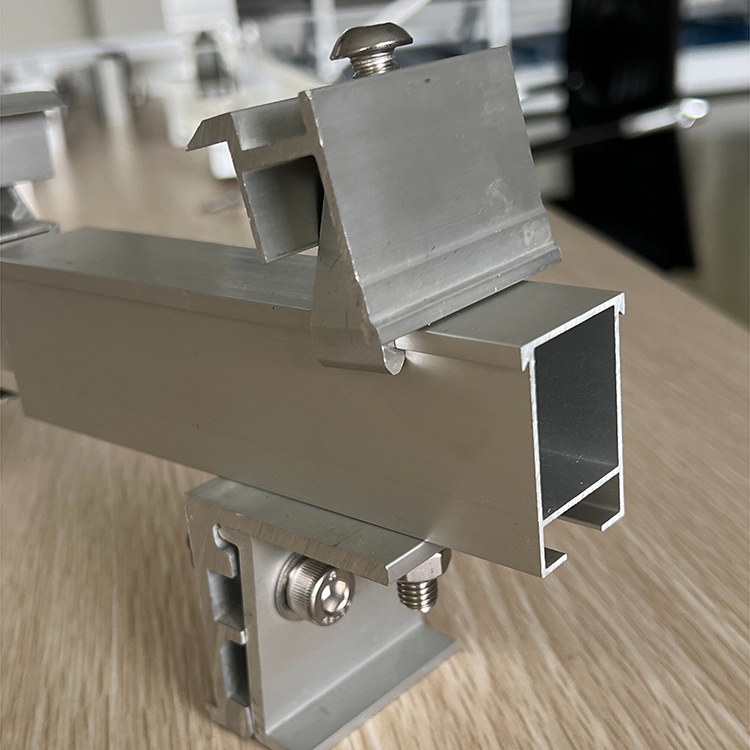
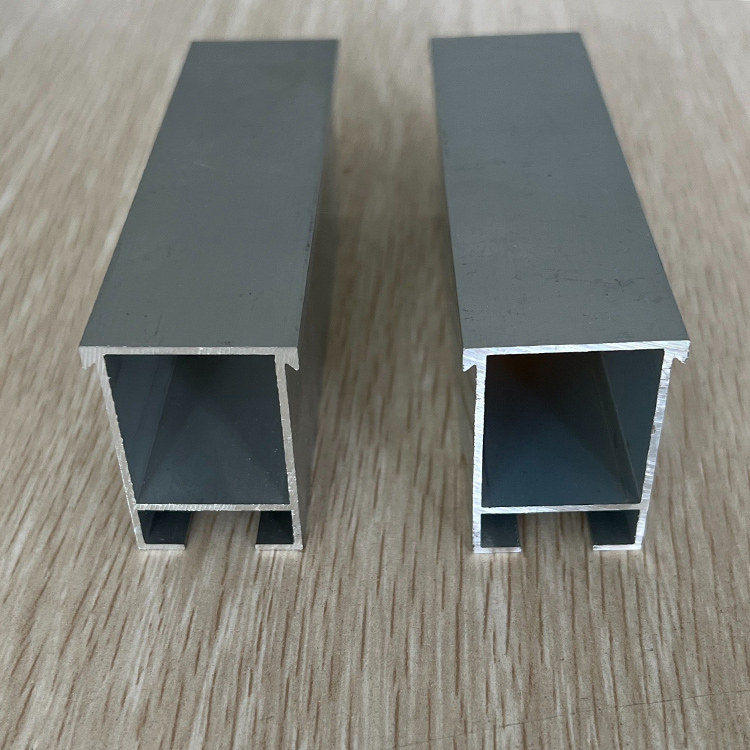
Installation efficiency is one of the biggest advantages of flexible mounting solutions. Large solar farms require significant labor and equipment resources, so reducing installation complexity has a direct impact on project economics. Flexible structures allow installers to make adjustments on-site instead of performing costly modifications or waiting for additional engineering solutions. Faster assembly reduces labor requirements, minimizes delays, and helps projects achieve commercial operation sooner. Another important advantage is reduced project costs. Without structural flexibility, developers may need to invest heavily in land preparation, additional materials, or complex construction methods. A flexible mounting system reduces these additional expenses by adapting to existing site conditions. Lower civil work requirements, simplified installation processes, and reduced material waste all contribute to improved return on investment.
Structural flexibility is also valuable when projects need future expansion or modifications. Solar farms may be expanded in phases as energy demand grows or additional land becomes available. Mounting systems designed with adaptable components make it easier to integrate future installations while maintaining compatibility with existing structures. This long-term scalability provides greater value for project owners and investors. Environmental considerations are also driving the demand for flexible solar mounting designs. Minimizing land disturbance is becoming increasingly important as renewable energy projects expand into more sensitive areas. Systems that adapt to natural terrain require less excavation and preserve more of the original landscape. This approach supports more sustainable solar development while reducing the environmental impact of construction activities.
At Alliance Solar, structural flexibility is an important part of our approach to solar mounting system design. We understand that every ground-mounted project has unique challenges, from terrain differences to climate conditions. Through professional engineering, precision manufacturing, and customized OEM/ODM solutions, we provide mounting systems designed to meet diverse project requirements. Our products are manufactured with strict quality control procedures to ensure reliable performance in different environments around the world. With experience supporting more than 20GW of solar projects globally, Alliance Solar continues to develop solutions that improve installation efficiency, structural reliability, and long-term system performance. By combining flexible design concepts with advanced manufacturing capabilities, we help EPC contractors and developers successfully complete projects in challenging locations.