English
Why Mounting Systems Are Becoming a Key Factor in Solar Project Bankability
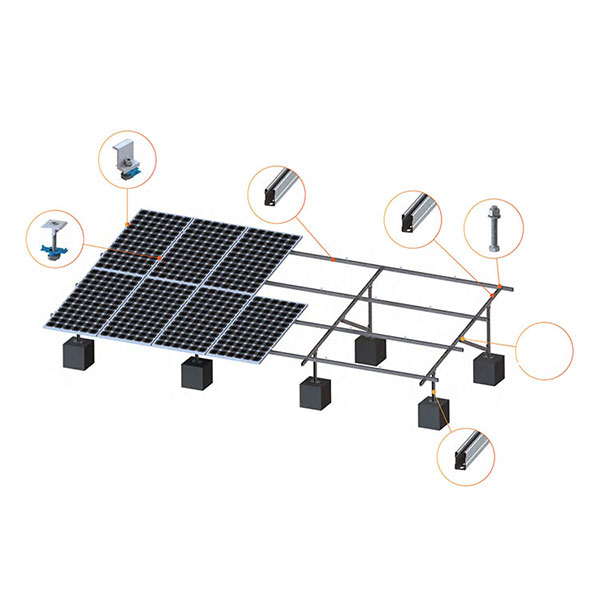
As the global solar industry continues to mature, investors and financial institutions are paying closer attention to every component that affects project reliability and long-term returns. In the past, discussions around solar project bankability focused mainly on panel efficiency, inverter technology, and energy yield forecasts. Today, however, mounting systems are increasingly recognized as a critical factor in determining whether a solar project is financially secure and investment-worthy. A reliable mounting structure directly impacts system durability, operational stability, maintenance costs, and long-term energy production—all of which influence project bankability. Bankability refers to the confidence that lenders, investors, and project developers have in a solar project’s ability to generate stable financial returns over its operational lifetime. Since most photovoltaic systems are expected to operate for 25 years or more, every structural component must perform consistently under changing environmental conditions. Mounting systems form the physical foundation of solar arrays, supporting panels against wind, snow, seismic activity, and temperature fluctuations. If the mounting structure fails or underperforms, the entire project’s financial model can be affected.
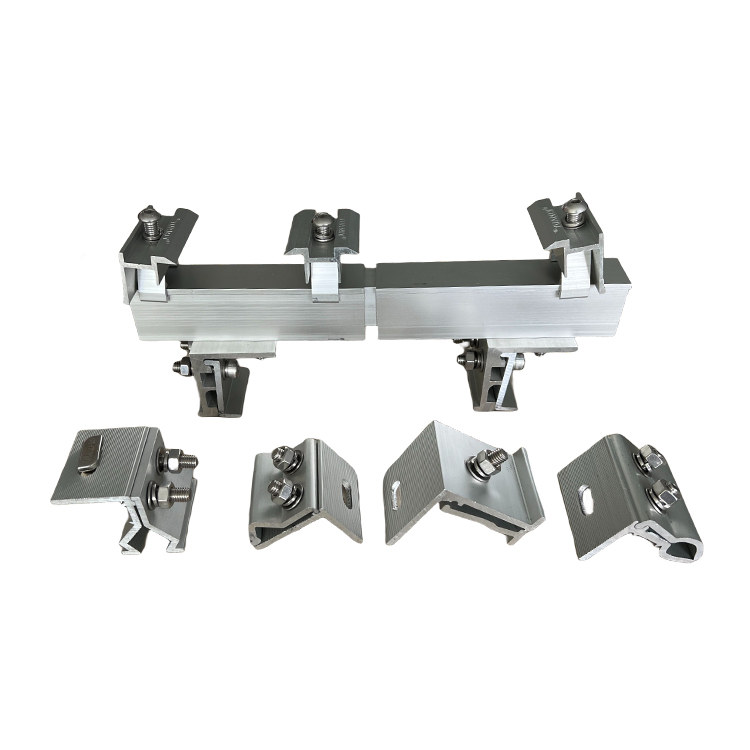
One major reason mounting systems influence bankability is their role in long-term structural reliability. Solar projects are often financed based on predicted energy generation over decades. Poor-quality mounting systems can lead to panel misalignment, structural fatigue, corrosion, or even partial system failure, reducing energy output and increasing repair costs. Financial institutions increasingly evaluate whether mounting systems are engineered to international standards and tested for long-term durability before approving project financing. Material quality has become another important consideration. Investors understand that mounting systems are constantly exposed to harsh outdoor environments, including humidity, UV radiation, salt exposure, and extreme temperatures. High-quality aluminum alloys, galvanized steel, and corrosion-resistant fasteners help ensure structural integrity over the entire project lifecycle. Projects using certified, durable materials are viewed as lower-risk investments because they are less likely to face unexpected maintenance or replacement costs.
Engineering precision also affects financial confidence. Modern utility-scale solar projects involve thousands of interconnected mounting components that must fit together accurately and maintain stable load distribution. Inconsistent dimensions or poor engineering can lead to installation delays, increased labor costs, and long-term mechanical stress. Bankable projects require mounting systems that are designed with precise load calculations and manufactured with strict quality control to ensure predictable performance over time. Another reason mounting systems are becoming financially important is their impact on installation efficiency and project timelines. Delays during construction can significantly increase project costs and affect investor returns. Well-designed mounting systems with modular structures, standardized components, and easy installation features help EPC contractors complete projects faster and with fewer errors. Faster installation reduces labor costs and allows projects to begin generating electricity sooner, improving overall financial performance.
Weather resilience has also become a major focus in project financing decisions. As climate conditions become more unpredictable, investors are increasingly concerned about how solar systems will perform under extreme weather events. Mounting systems engineered for high wind loads, heavy snow, seismic activity, or coastal corrosion provide greater confidence in long-term project stability. Financial institutions prefer projects that demonstrate strong structural risk management because they reduce the likelihood of operational disruptions or insurance claims. Certification and compliance further strengthen project bankability. Mounting systems that meet internationally recognized standards such as ISO9001 and TUV certification provide assurance that products have undergone rigorous testing and quality verification. These certifications help investors and developers assess the credibility of suppliers and reduce concerns about product reliability. In many international markets, certified mounting systems are now considered a requirement for large-scale project approval and financing.
Supply chain reliability is also becoming part of bankability evaluation. Investors want assurance that mounting system suppliers can deliver products on time, maintain consistent quality, and provide technical support throughout the project lifecycle. Manufacturers with strong production capacity, global project experience, and responsive customer service reduce supply chain risk and improve project execution reliability. In conclusion, mounting systems are no longer viewed as simple structural accessories in solar projects—they are now recognized as essential contributors to project bankability. Their impact on structural safety, energy production stability, installation efficiency, maintenance costs, and long-term reliability directly affects financial performance and investment confidence. As solar projects become larger and more sophisticated, developers and investors increasingly understand that choosing a high-quality mounting partner is a strategic financial decision. Reliable mounting systems help protect assets, reduce operational risk, and ensure that solar projects deliver stable returns for decades to come.