English
How Mounting Systems Support Bifacial Solar Panel Performance
Bifacial solar panels are becoming increasingly popular in utility-scale, commercial, and ground-mounted photovoltaic projects because of their ability to generate electricity from both the front and rear sides of the module. Unlike conventional solar panels that capture sunlight only from the front surface, bifacial modules utilize reflected and scattered light from the ground and surrounding environment to increase overall energy production. However, achieving the full performance potential of bifacial panels depends not only on the modules themselves but also on the design of the solar mounting system. An optimized mounting structure plays a vital role in maximizing rear-side light exposure, ensuring structural stability, and improving long-term energy yield. The primary advantage of bifacial solar panels is their ability to capture additional irradiance from reflected sunlight, commonly known as albedo. Surfaces such as concrete, sand, white roofing materials, gravel, and even snow can reflect sunlight back toward the rear side of the panel. A properly designed mounting system allows this reflected light to reach the rear surface with minimal obstruction, enabling the module to produce more electricity than traditional monofacial panels. Depending on site conditions, bifacial systems can achieve noticeably higher energy output compared to conventional installations.
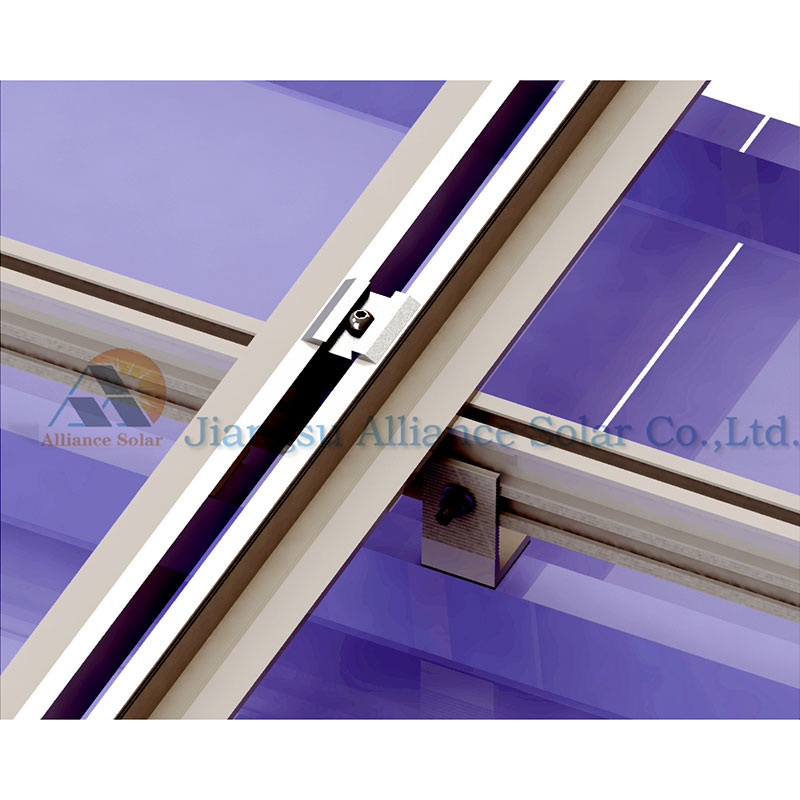
One of the most important design considerations for bifacial mounting systems is minimizing rear-side shading. Traditional mounting structures with wide rails, large support beams, or bulky clamps may block reflected sunlight from reaching the back of the solar panel. Modern mounting systems for bifacial modules are designed with slimmer structural profiles and optimized support layouts to reduce shading while maintaining structural strength. This balance allows panels to receive maximum light exposure without compromising safety or durability. Panel height above the ground also has a significant influence on bifacial performance. Increasing the clearance between the panels and the ground allows more reflected light to reach the rear surface. Ground-mounted solar farms often use elevated mounting structures specifically designed to improve rear-side irradiance. However, the optimal height depends on site conditions, including ground reflectivity, wind loads, and project economics. A well-engineered mounting system helps achieve the ideal balance between increased energy generation and construction cost.
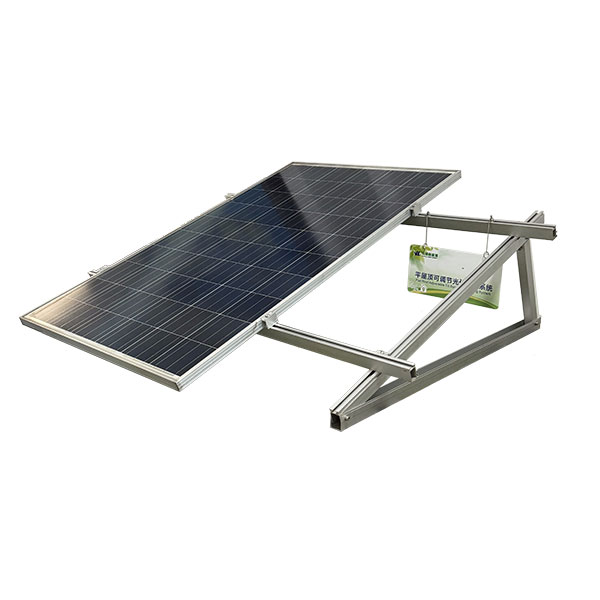
Tilt angle is another factor that directly affects bifacial energy production. While tilt angle is always important for capturing direct sunlight, it also influences how much reflected light reaches the back of the panel. Mounting systems designed with optimized tilt angles improve both front-side solar exposure and rear-side light collection. Engineers carefully evaluate the project's geographic location, seasonal sunlight patterns, and ground conditions to determine the most effective mounting configuration for bifacial modules. Ground surface conditions are equally important when designing bifacial solar projects. Highly reflective surfaces increase the amount of light available to the rear side of the modules. Mounting systems must be designed to take advantage of these conditions by maintaining proper panel spacing and orientation. In some projects, developers even improve ground reflectivity by using light-colored gravel or specialized ground coverings. A compatible mounting system ensures that these design strategies translate into higher energy production.
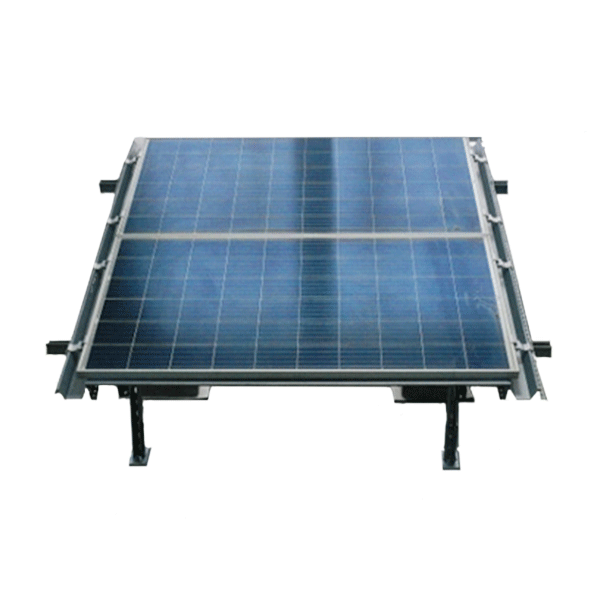
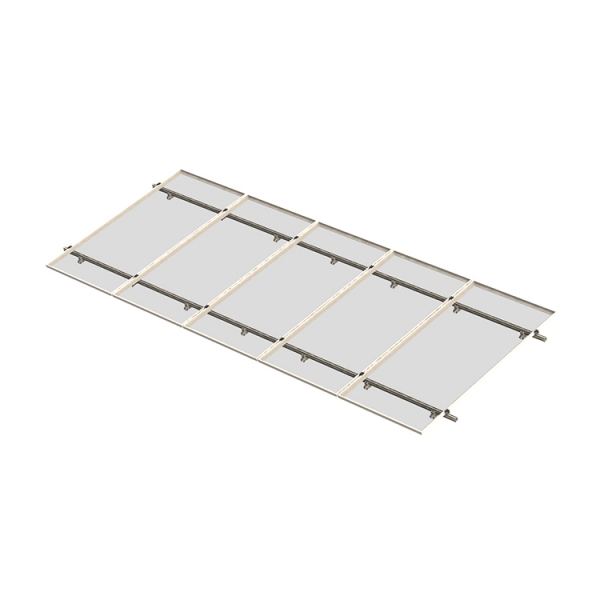
Proper row spacing also contributes to bifacial performance. If panel rows are placed too close together, one row may cast shadows on the rear side of the next row, reducing reflected light collection. Mounting system designers optimize row spacing based on panel dimensions, tilt angle, and local sun paths to minimize shading throughout the year. Although wider spacing may require more land, it can significantly improve long-term energy yield and project profitability. Structural reliability remains essential for bifacial installations. Since higher mounting structures and wider row spacing may increase exposure to wind and environmental forces, mounting systems must be engineered to withstand local wind loads, snow loads, and seismic conditions. Advanced structural analysis ensures that the system maintains stability while supporting optimal bifacial performance. Strong, reliable mounting systems protect valuable solar assets and ensure continuous operation over decades of service.
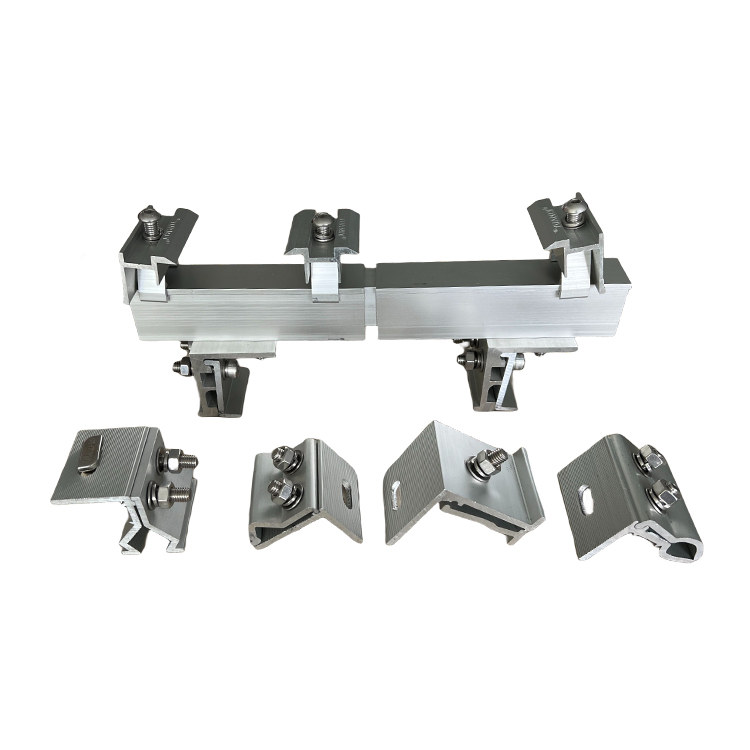
Material quality also affects long-term performance. Bifacial solar projects are expected to operate for 25 years or more, requiring mounting structures with excellent corrosion resistance and mechanical durability. High-quality aluminum alloys, galvanized steel, and stainless steel fasteners help ensure that the mounting system maintains its structural integrity in diverse climates, from humid coastal regions to dry desert environments. Durable materials reduce maintenance requirements and contribute to lower lifecycle costs. Installation accuracy is another important factor in maximizing bifacial efficiency. Precision-manufactured mounting components ensure consistent panel alignment, secure fastening, and correct spacing throughout the entire solar array. Accurate installation prevents unnecessary shading, maintains uniform system performance, and simplifies future maintenance. Modular mounting systems also reduce installation time, helping projects achieve commercial operation more quickly.
At Alliance Solar, we understand that the performance of bifacial solar panels depends on both advanced module technology and well-engineered mounting solutions. Our mounting systems are designed to optimize rear-side light exposure while providing the structural strength, durability, and installation efficiency required for modern photovoltaic projects. Through professional engineering, precision manufacturing, and customized OEM and ODM services, we help customers maximize the performance and value of bifacial solar installations across a wide range of environments. In conclusion, mounting systems are a key factor in unlocking the full potential of bifacial solar panels. By minimizing rear-side shading, optimizing panel height and tilt angle, ensuring proper row spacing, and maintaining long-term structural reliability, advanced mounting designs contribute directly to higher energy generation and improved project returns. As bifacial technology continues to gain popularity worldwide, innovative mounting systems will play an increasingly important role in supporting efficient, reliable, and sustainable solar power generation.