English
How Mounting Rail Design Affects Long-Term Solar System Performance
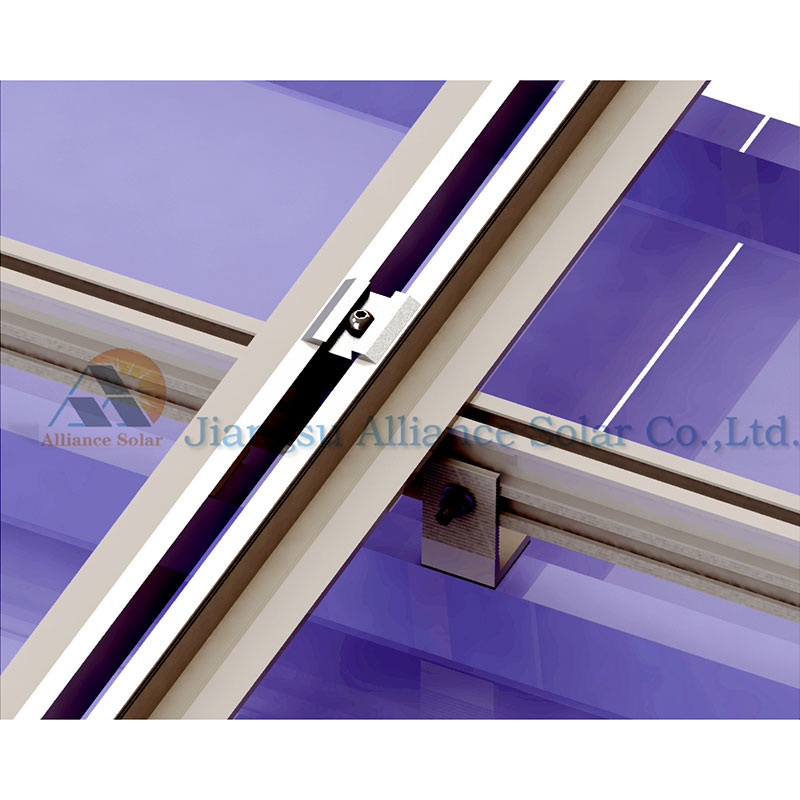
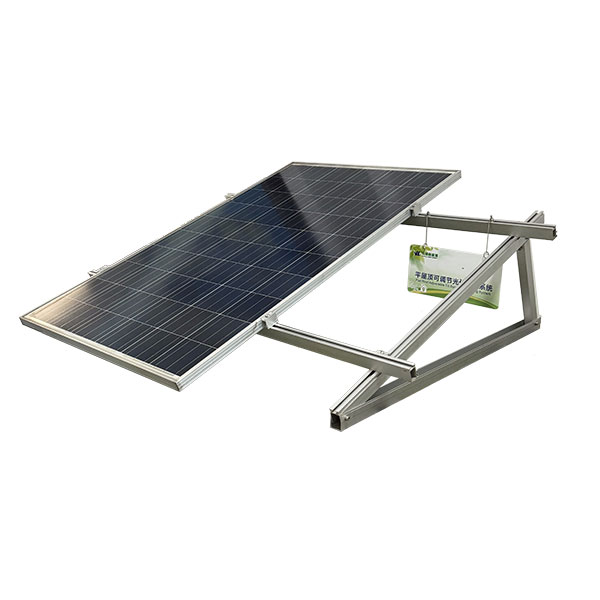
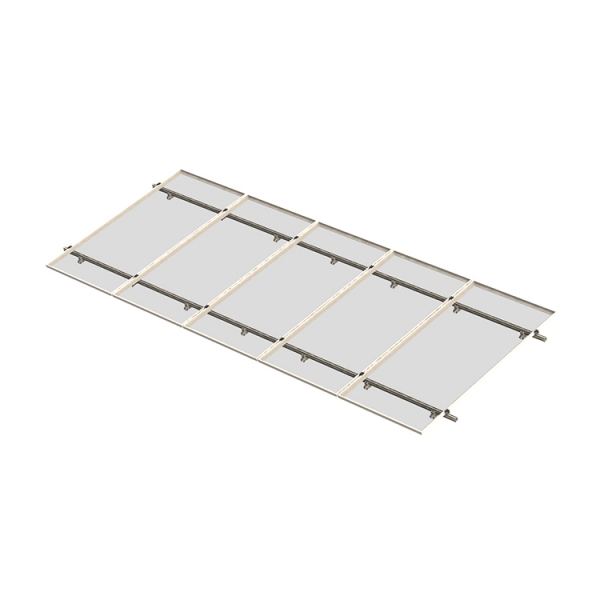
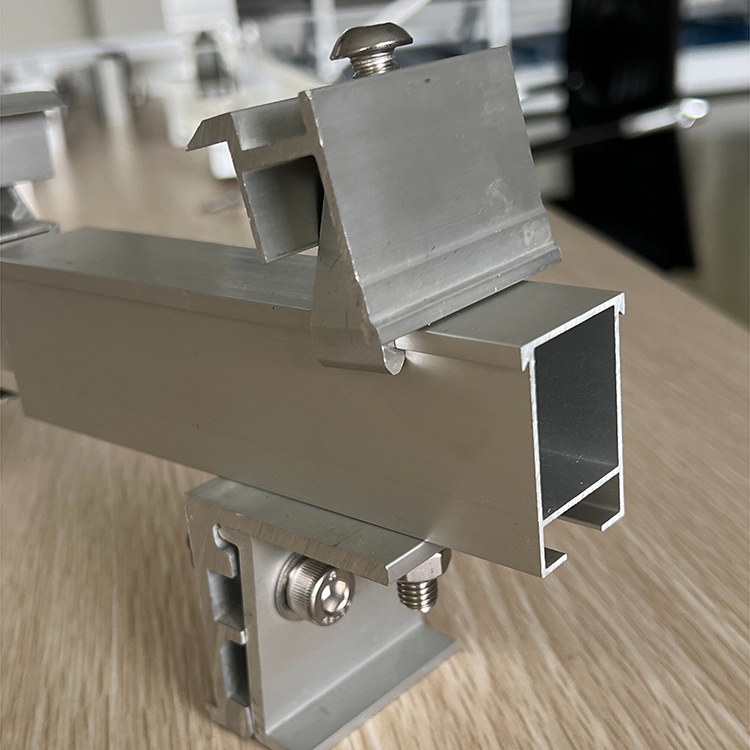
In a solar mounting system, rails are among the most important structural components. They serve as the primary support framework that connects solar panels to the mounting structure and transfers environmental loads throughout the system. While solar panels often receive the most attention, the design and quality of mounting rails play a significant role in determining the long-term performance, safety, and reliability of a solar installation. A well-engineered rail system not only supports efficient installation but also helps ensure stable energy production for decades. The primary function of mounting rails is to provide a secure and stable platform for solar panels. Throughout the lifespan of a solar power system, rails must support the weight of the modules while resisting external forces such as wind, snow, rain, and thermal expansion. Poorly designed rails may bend, deform, or create uneven load distribution, which can negatively affect both the mounting structure and the solar panels themselves. High-quality rail design ensures that loads are transferred evenly and safely throughout the system.
Structural strength is one of the most important considerations in rail design. Rails must be engineered to withstand the specific environmental conditions of each installation site. In regions with strong winds, mounting rails must resist uplift forces and vibration. In snowy climates, they must support additional weight without excessive deflection. Proper rail profile design, material thickness, and reinforcement features help maintain structural integrity under these challenging conditions, ensuring reliable long-term performance. Material selection also has a significant impact on rail durability. Aluminum is widely used in solar mounting rails because of its excellent strength-to-weight ratio, corrosion resistance, and ease of installation. High-quality aluminum alloys maintain their structural properties over long periods while resisting rust and environmental degradation. In certain heavy-duty applications, galvanized steel rails may be used to provide additional load-bearing capacity. Selecting the appropriate material helps ensure that the rail system remains reliable throughout the project's operational life.
Dimensional accuracy is another critical factor in mounting rail performance. Solar projects often involve thousands of panels and mounting components that must fit together precisely. Rails manufactured with consistent dimensions simplify installation and ensure proper alignment across the entire array. Inconsistent rail dimensions can create installation challenges, increase labor costs, and introduce unwanted stress into the structure. Precision manufacturing helps maintain system uniformity and supports efficient project execution. Thermal expansion is an often-overlooked aspect of rail design. Solar installations are exposed to significant temperature changes throughout the year. As temperatures rise and fall, rail materials naturally expand and contract. If rail systems are not designed to accommodate these movements, excessive stress can develop at connection points, potentially leading to loosening, deformation, or structural fatigue. Modern rail designs incorporate expansion allowances and flexible connection features to manage thermal movement effectively.
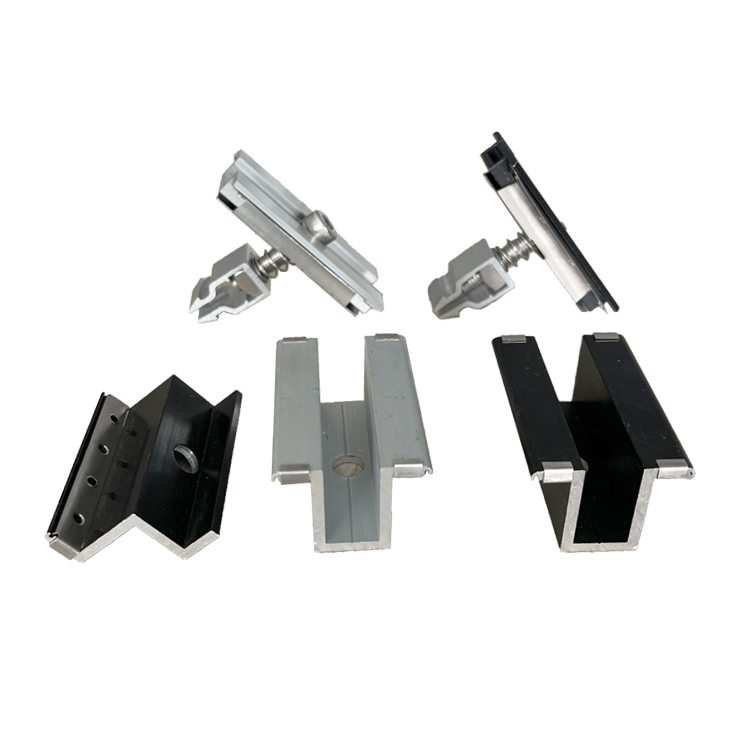
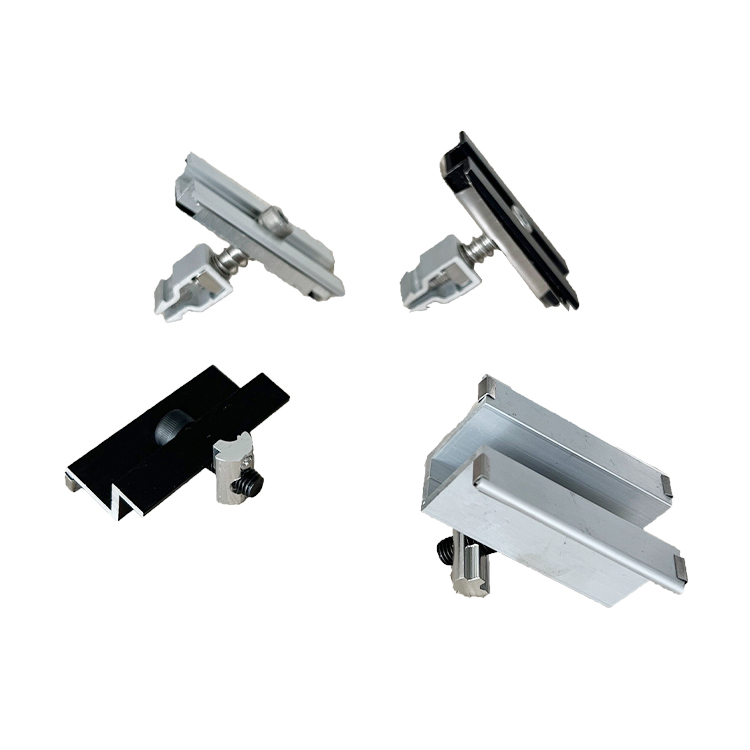
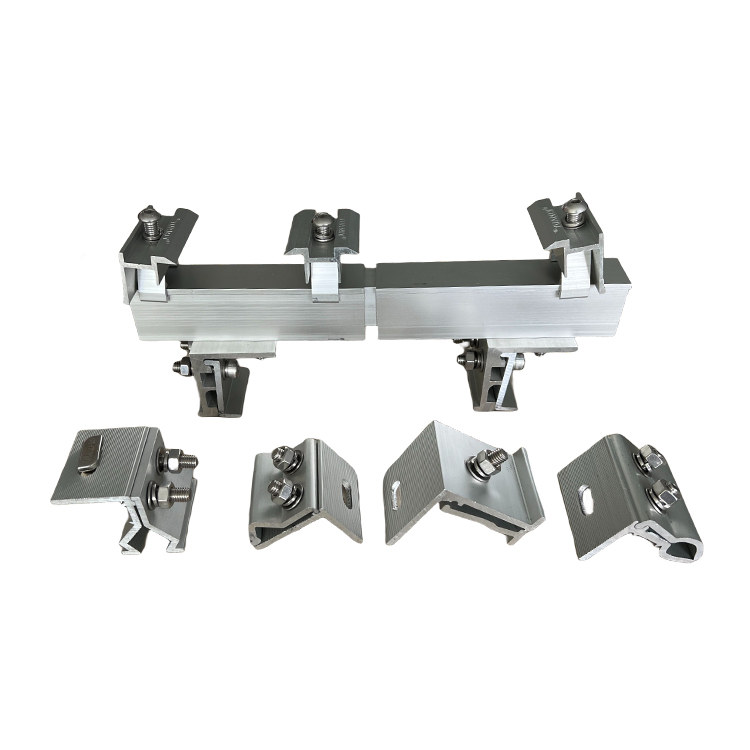
Rail design also affects installation efficiency. Well-designed rails feature standardized connection points, integrated cable management options, and installer-friendly profiles that reduce assembly time. Faster installation not only lowers labor costs but also reduces the risk of installation errors. Modular rail systems allow installers to work more efficiently while maintaining high standards of structural quality and safety. Another important factor is panel protection. Rails serve as the interface between the mounting structure and the solar modules. Poorly designed rails may create uneven support or excessive pressure on panel frames, potentially causing micro-cracks or mechanical stress over time. Properly engineered rail systems distribute loads evenly and provide secure clamping locations, helping to protect the panels and maintain long-term energy production.
Corrosion resistance is essential for projects located in coastal, humid, or industrial environments. Exposure to moisture, salt, and pollutants can gradually weaken untreated metal components. High-quality rail systems use anodized aluminum or galvanized steel surfaces to resist corrosion and maintain structural performance. This protection helps reduce maintenance requirements and extends the lifespan of the mounting system. From a financial perspective, rail design directly influences project profitability. Reliable rails reduce maintenance costs, minimize the risk of structural failures, and help maintain consistent energy generation over the system's lifetime. Since solar power plants are expected to operate for 25 years or more, even small improvements in structural reliability can contribute to significant long-term savings and improved return on investment.
At Alliance Solar, mounting rail design is approached with a focus on strength, precision, durability, and installation efficiency. Through advanced engineering, strict quality control, and high-quality materials, our rail systems are designed to perform reliably in a wide range of environmental conditions. By ensuring structural stability and protecting valuable solar assets, well-designed mounting rails contribute directly to the long-term success of solar power projects. In conclusion, mounting rail design is far more than a simple structural consideration. It affects system strength, installation efficiency, panel protection, weather resistance, and long-term operational reliability. As solar projects continue to grow in scale and complexity, the importance of high-quality mounting rail design will only increase. Investing in properly engineered rail systems helps ensure that solar installations deliver safe, stable, and efficient energy production for decades to come.