English
How Alliance Solar Helps Customers Meet Local Compliance Requirements
Solar projects are developed across countries and regions with different construction standards, structural regulations, environmental conditions, and certification requirements. For EPC contractors, developers, distributors, and installers, meeting these local requirements is an essential part of project planning. A solar mounting system that performs well in one market may require different materials, structural calculations, or design adjustments in another. Alliance Solar helps international customers address these differences by combining engineering expertise, customized manufacturing, quality management, and close technical communication. One of the first steps in supporting compliance is understanding the customer's target market and project requirements. Before manufacturing begins, Alliance Solar communicates with customers about the project location, installation environment, applicable standards, and technical specifications. This information helps our engineering team determine the appropriate mounting structure, material selection, connection method, and design parameters. Starting with these requirements reduces the possibility of costly design changes later in the project.
Structural requirements can vary significantly between markets. Wind loads, snow loads, seismic conditions, and other environmental factors must be considered when designing a mounting system. For example, a project in a high-wind region may require stronger connections and reinforced structural components, while a project in an area with heavy snowfall may require higher load-bearing capacity. Alliance Solar works with customers to understand these site-specific conditions and develop mounting solutions that are appropriate for the intended application. Material selection is another important aspect of compliance. Different environments may require different levels of corrosion protection and material durability. Coastal projects, for example, may face high salt exposure, while humid or industrial areas can create additional corrosion risks. Alliance Solar provides aluminum and steel mounting solutions with appropriate surface treatments and corrosion-resistant components based on project requirements. Selecting suitable materials helps customers achieve both regulatory and long-term performance objectives.
Dimensional accuracy is also important when meeting local installation requirements. Solar mounting components must fit correctly with panels, rails, fasteners, and other structural elements. Alliance Solar uses precision manufacturing processes to maintain consistent dimensions and connection points. Accurate components simplify installation and help ensure that the completed structure matches the approved engineering design. International certifications provide another layer of confidence for customers. Alliance Solar operates according to an ISO9001 quality management system, and its products have obtained TUV international certification. These credentials demonstrate our commitment to standardized quality management and help customers evaluate product reliability when preparing documentation for international projects. Depending on the market and project, customers can also communicate their specific certification and testing requirements to our team before production.

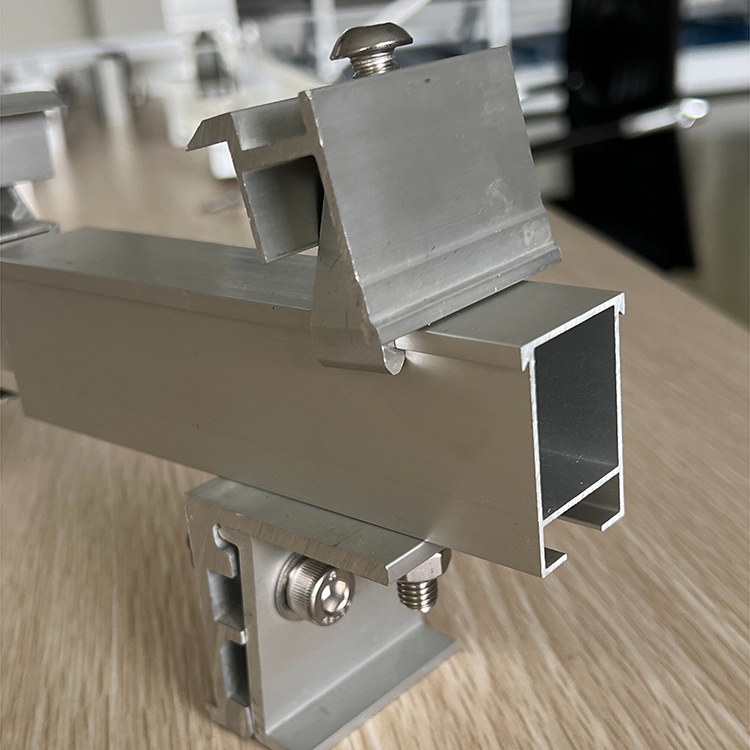
Modular design, easy installation, multiple colors 
Documentation is an important part of compliance as well. EPC contractors and project developers may require product specifications, material information, technical drawings, installation instructions, inspection records, and other supporting documents. Clear technical documentation helps different project teams verify that the supplied mounting components correspond to the approved design. Alliance Solar works with customers to provide the technical information required for project coordination and installation. OEM and ODM capability further strengthens our ability to support local requirements. Standard mounting products may not always be suitable for every market because building structures, installation methods, module specifications, and engineering practices can differ. Through customized OEM and ODM manufacturing, Alliance Solar can adjust product dimensions, connection configurations, materials, and other technical details according to customer-approved specifications. This flexibility allows international buyers to develop solutions that better match their local project conditions.
Communication is particularly important when compliance requirements are complex. Regulations and project specifications may involve multiple parties, including developers, EPC contractors, structural engineers, installers, and local authorities. Alliance Solar maintains communication with customers throughout the design and production process so that technical requirements can be clarified before manufacturing. Early communication helps minimize misunderstandings and reduces the risk of non-compliant components reaching the installation site. Local compliance also needs to be considered during installation. Even when mounting components are manufactured correctly, improper assembly can affect structural performance. Alliance Solar supports customers with technical drawings, installation guidance, and product information to help installation teams understand how components should be assembled. When customers encounter technical questions during construction, responsive communication can help them identify appropriate solutions without unnecessarily delaying the project.
Our international project experience provides additional value to customers. Alliance Solar products have been exported to more than 50 countries, and our mounting systems are used in more than 20GW of solar projects worldwide. Working with customers across different markets has given us experience with diverse environmental conditions, project requirements, and installation practices. This global exposure helps our team understand why a flexible and project-specific approach is essential for international solar mounting projects. It is important to note that local compliance ultimately depends on the specific project, jurisdiction, and requirements of the relevant authorities. Alliance Solar's role is to work closely with customers and provide technically appropriate products and documentation based on the requirements communicated for each project. Customers should always confirm final regulatory approval and project compliance with their local engineers, authorities, and qualified professionals.