English

Why First-Article Inspection Matters Before Large-Volume Solar Component Production
In solar mounting manufacturing, small component errors can create significant problems when thousands of parts are produced for a single project. A bracket with an incorrect hole position, a connector with the wrong dimensions, or a part made from an unsuitable material can cause assembly difficulties and costly production delays. First-article inspection helps identify these issues before mass production begins, giving manufacturers and customers an opportunity to verify that components meet the agreed requirements. First-article inspection is the process of examining an initial production part against approved technical drawings, specifications, and other quality requirements. It is particularly useful for customized solar mounting brackets, connecting plates, fasteners, and precision process parts. Rather than waiting until a large batch has been completed, manufacturers can evaluate an early sample and confirm whether the production process is delivering the expected result.
Dimensional accuracy is one of the main areas checked during first-article inspection. Solar mounting components often depend on precise lengths, widths, thicknesses, hole diameters, and spacing between connection points. Even small deviations can affect how parts fit together during installation. Measuring these critical features before mass production helps confirm that the component matches the approved design and can integrate with the intended mounting structure. Material verification is another important step. Depending on the application, solar mounting components may be manufactured from aluminum, carbon steel, stainless steel, or other specified materials. The selected material must meet the project's requirements for strength, durability, corrosion resistance, and processing performance. Reviewing material documentation and conducting appropriate checks can help prevent the wrong material from entering a large production batch.
Surface condition and finishing also deserve attention. Components may require galvanizing, anodizing, powder coating, or other protective treatments depending on the design and operating environment. First-article inspection provides an opportunity to review the specified finish, check for visible defects, and verify that relevant requirements have been followed. Confirming these details early can reduce the risk of producing large quantities of parts that need rework or replacement. First-article inspection also helps validate the manufacturing process itself. A component may look correct in a drawing but still present challenges during cutting, punching, machining, or forming. Initial inspection can reveal problems associated with tooling, fixtures, machine settings, or production methods. Once the necessary adjustments have been made, the manufacturer can establish a more reliable process before increasing production volume.
For customized OEM and ODM orders, this step is especially valuable because components may be designed for a specific customer's mounting system. Before production begins, both parties should confirm the latest drawings, dimensions, material specifications, tolerances, and finishing requirements. Reviewing the initial part against these agreed details helps reduce misunderstandings and gives customers greater confidence that the manufacturing process reflects their expectations. Another benefit is the reduction of waste and avoidable costs. Discovering a design or production issue after manufacturing several thousand components can lead to material losses, reprocessing, replacement shipments, and missed installation schedules. Identifying deviations in the first article allows manufacturers to address problems while the quantity affected is still limited. This makes early inspection an important part of practical cost and production management.
First-article inspection can also improve communication between manufacturing teams, quality personnel, and customers. Inspection reports, measurement records, photographs, and sample approvals provide a common reference for discussing component requirements. If a dimension needs clarification or a design adjustment is necessary, the issue can be resolved before the production process moves forward. Clear records are particularly helpful when customers and suppliers are located in different countries. However, first-article inspection should not replace ongoing quality control. A component that passes initial inspection does not automatically guarantee that every subsequent part will be identical. Tool wear, material variation, equipment conditions, and other production factors can affect consistency. Manufacturers should therefore combine first-article approval with appropriate in-process checks, final inspections, and traceable production records according to the project's quality requirements.
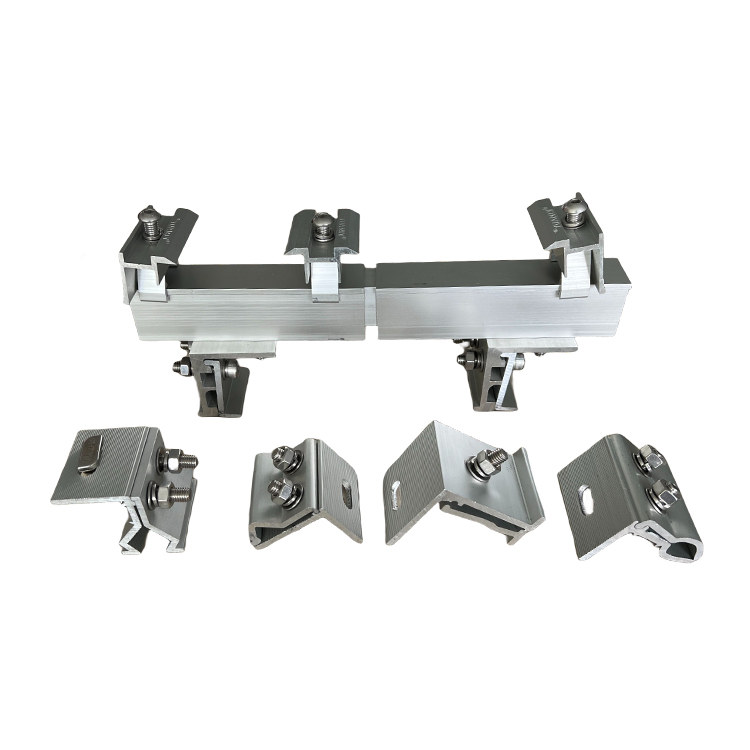
At Alliance Solar, our product range includes solar mounting bracket parts, solar panel brackets, and precision process parts, supported by OEM and ODM services. We understand the importance of confirming customer specifications before large-volume manufacturing. By emphasizing technical communication, dimensional consistency, and quality-control practices, we aim to help customers reduce avoidable production issues and obtain components suited to their solar mounting applications. Ultimately, first-article inspection is more than a preliminary check; it is an important checkpoint between product design and mass production. By verifying dimensions, materials, finishes, and manufacturing processes at an early stage, manufacturers can identify problems before they affect an entire order. For large-scale solar projects, this approach supports more consistent component quality, smoother installation, better production planning, and greater confidence in the final mounting system.