English

How Precision Process Parts Improve Solar Mounting System Reliability
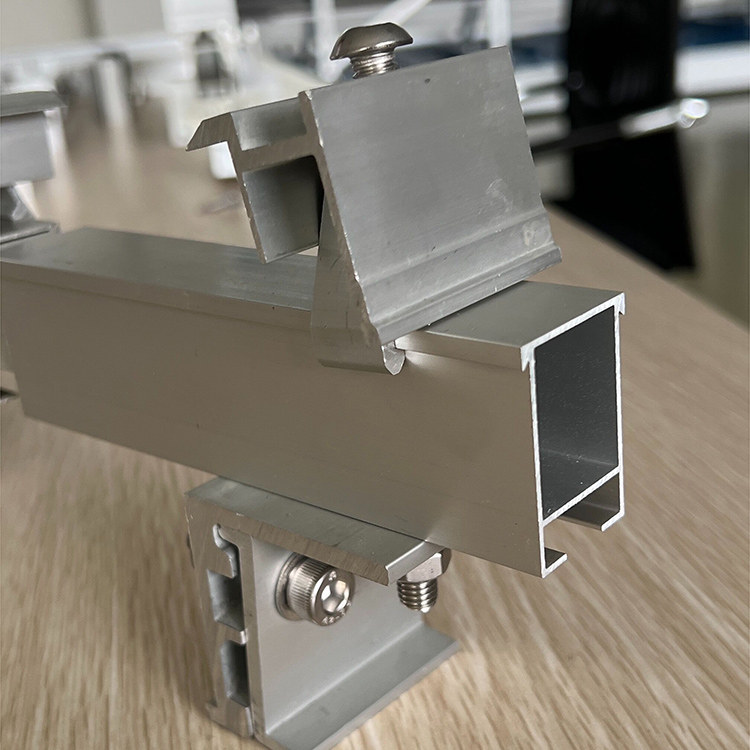
Solar mounting systems must maintain structural stability, accurate panel positioning, and reliable connections throughout years of outdoor operation. While rails, brackets, and support structures are the most visible components, smaller precision process parts also play an essential role in overall system performance. These components help connect structural elements, maintain alignment, and ensure that mounting assemblies fit together correctly. Their manufacturing quality can directly influence installation efficiency and the long-term reliability of photovoltaic projects. Precision process parts are manufactured according to specified dimensions, tolerances, and technical requirements. In solar mounting applications, these parts may include machined connectors, metal brackets, fastening components, and customized structural fittings. Even small dimensional deviations can affect how components connect or distribute loads. Accurate manufacturing helps reduce fitting problems and allows the mounting system to perform according to its intended engineering design.
Dimensional consistency is particularly important for large-scale solar installations. Utility-scale projects may require thousands of similar components, and variations between individual parts can create alignment difficulties across the array. When precision-processed components maintain consistent dimensions, installers can assemble structures more efficiently and reduce the need for on-site adjustments. This consistency also helps maintain uniform panel positioning across different installation sections. Another important benefit is improved connection reliability. Solar mounting systems rely on multiple connection points to transfer loads between panels, rails, brackets, and supporting structures. Poorly manufactured connection parts may create gaps, uneven contact, or improper fastening conditions. Precision processing helps ensure that mating surfaces and connection features match the required specifications, supporting secure assembly when combined with suitable fasteners and correct installation procedures.
Precision parts also contribute to structural performance under changing environmental conditions. Solar mounting systems are exposed to wind, temperature fluctuations, and, depending on the location, snow and other external loads. These forces place repeated demands on joints and connecting components. Properly manufactured parts help maintain the intended connection geometry and load paths, while appropriate engineering design and installation remain essential for preventing excessive stress and premature component failure. Material selection and processing methods are equally important. Depending on the application, precision parts may be manufactured from aluminum, carbon steel, stainless steel, or other suitable materials. Each material has different strength, weight, corrosion-resistance, and machining characteristics. Choosing the correct material and surface treatment helps ensure that components are suitable for their operating environment, particularly in coastal areas or locations with high humidity and frequent rainfall.
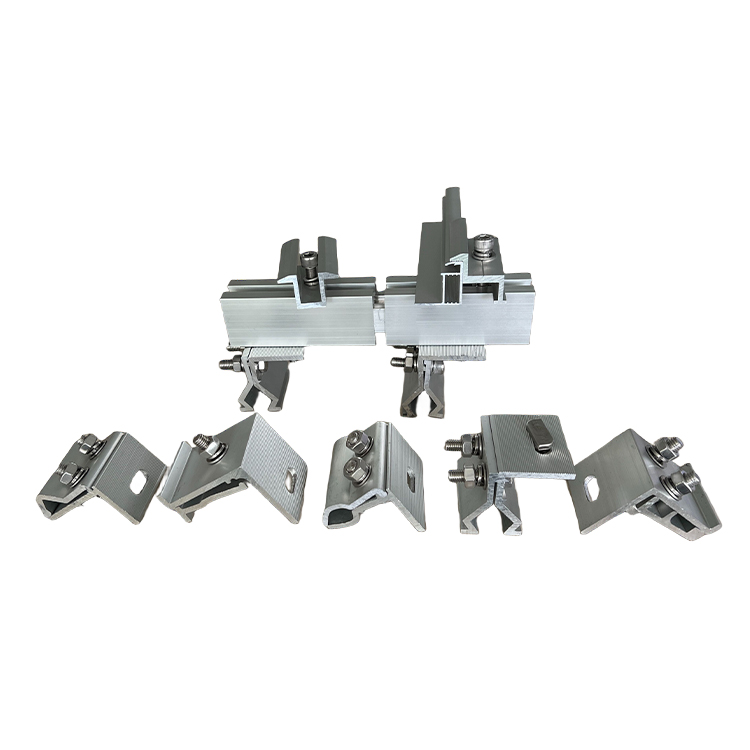
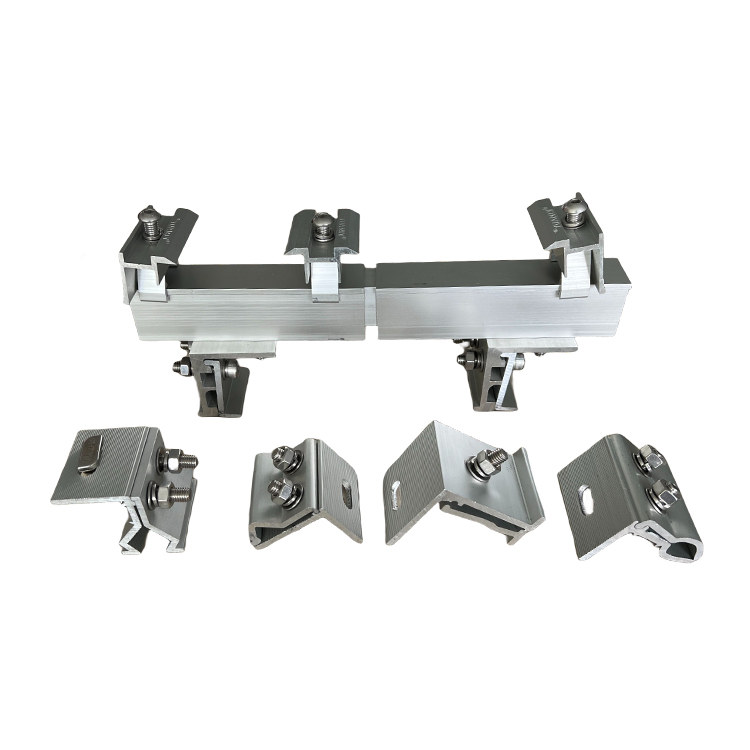
Corrosion control is another factor affecting long-term reliability. Mounting components are often exposed to moisture and airborne contaminants for extended periods. If material combinations and protective treatments are not properly considered, corrosion may affect connection integrity over time. Manufacturers should evaluate material compatibility, coating requirements, and the intended installation environment when producing precision process parts. Appropriate design and maintenance can further help preserve structural performance throughout the system's service life. Manufacturing accuracy can also improve installation efficiency. Components with correctly positioned holes, consistent dimensions, and accurately processed edges are generally easier to fit and assemble. Installers can spend less time correcting mismatches, modifying parts, or resolving unexpected connection problems on site. For international solar projects operating under tight construction schedules, these improvements can help reduce installation delays and make workforce planning more predictable.
Quality control throughout production is essential for achieving consistent results. Inspection procedures may include dimensional measurement, visual examination, material verification, and checks against approved drawings or specifications. Identifying deviations before shipment reduces the likelihood of unsuitable parts reaching the installation site. For customized orders, confirming technical drawings, tolerances, and acceptance criteria before production is particularly important to ensure that finished components meet the customer's requirements. At Alliance Solar, precision process parts form an important part of our solar mounting product range, alongside solar panel brackets and solar mounting bracket parts. Through OEM and ODM services, we work with customers to address project-specific dimensions, component configurations, and manufacturing requirements. Careful attention to technical communication, production consistency, and quality control helps support mounting solutions designed for practical installation and dependable structural performance.
Precision process parts can also support more consistent project quality across different production batches. When manufacturing specifications and inspection requirements are clearly established, replacement components and repeat orders can be produced with greater consistency. This is particularly valuable for solar developers, distributors, and EPC contractors managing projects across multiple locations, where compatible components and predictable assembly are important to procurement and maintenance planning. Ultimately, the reliability of a solar mounting system depends on the performance of the complete structure, not just its largest components. Precision process parts help improve dimensional accuracy, connection fit, installation efficiency, and manufacturing consistency. When combined with suitable materials, sound engineering, effective corrosion protection, and correct installation, these components contribute to a mounting system designed for long-term service. For solar projects seeking dependable performance, precision manufacturing is an important consideration from the earliest design stage through final assembly.