English

Common Mistakes to Avoid When Selecting Solar Mounting Structures
Selecting the right solar mounting structure is an important step in photovoltaic project planning. While panels and inverters often receive more attention, the mounting system provides the mechanical foundation for the entire array. Choosing components without considering the project environment, module specifications, or installation requirements can create problems during construction and operation. Understanding common mistakes can help EPC contractors, installers, and project owners make more informed procurement decisions. One common mistake is selecting a mounting structure without properly evaluating the installation site. Rooftop and ground-mounted projects have different structural requirements, while soil conditions, terrain, wind exposure, snow loads, and temperature variations can also differ between locations. A mounting solution suitable for one project may not work for another. Site conditions should therefore be reviewed before determining the appropriate structure, foundation, brackets, rails, and connection components.
Another mistake is focusing only on the initial purchase price. A low-cost mounting system may appear attractive during procurement, but the total project cost also includes transportation, installation labor, maintenance, and potential replacement expenses. Components that are difficult to install or require frequent adjustment can increase project costs. Comparing durability, installation efficiency, quality consistency, and service support alongside purchase price provides a more complete basis for evaluating mounting solutions. Material selection is another area that requires attention. Solar mounting structures remain exposed to outdoor conditions for many years, so materials need to be appropriate for the local environment. Humidity, rain, coastal salt, temperature changes, and other factors can affect long-term performance. Aluminum, galvanized steel, stainless steel, and other materials each have different characteristics. The selected material and surface treatment should match the project's environmental and structural requirements.
Load requirements should never be overlooked when selecting mounting components. Solar structures need to support module weight while resisting environmental forces such as wind and snow. These requirements vary according to geographic location, installation height, structure configuration, panel arrangement, and applicable engineering standards. Choosing brackets or rails without verifying the required loads can create structural and installation concerns, making engineering evaluation an essential part of procurement. Module compatibility is another common issue. Solar panels come in different sizes, frame thicknesses, weights, and approved clamping positions. Mounting clamps and brackets must be compatible with the selected module design. Before ordering components, buyers should confirm panel dimensions, frame specifications, mounting points, and installation instructions. This helps prevent situations where components arrive on site but require modification or replacement before installation.
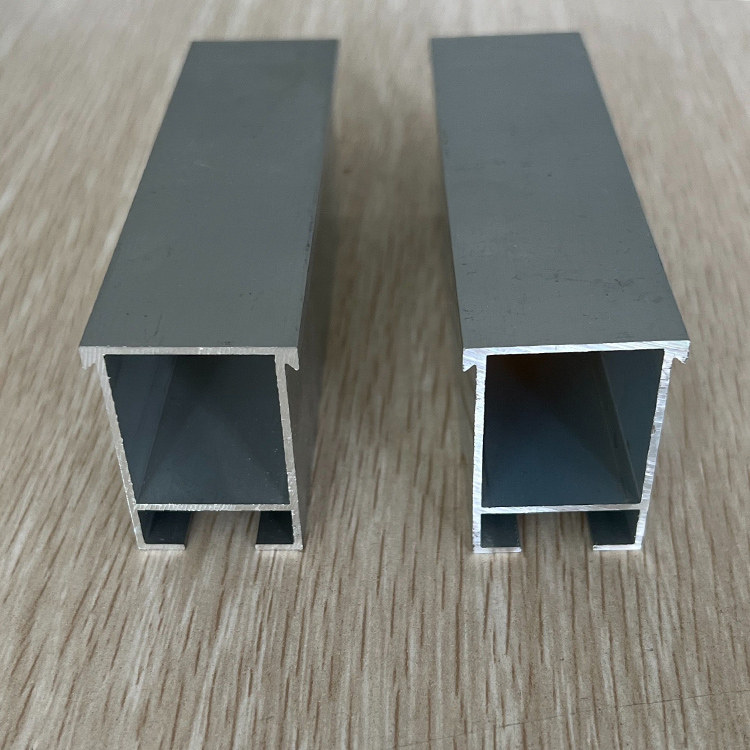
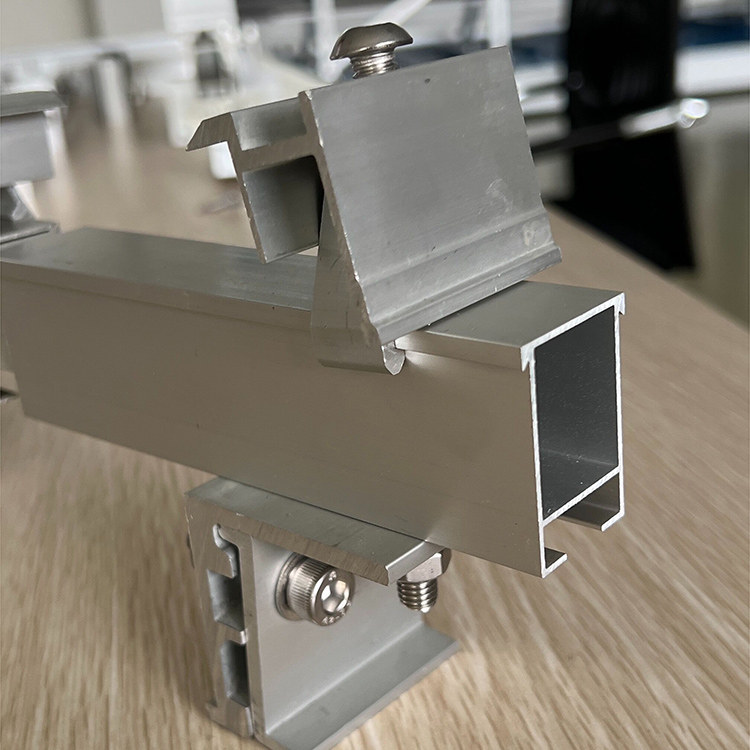
Installation efficiency should also be considered during the selection process. A mounting structure may meet basic strength requirements but still be inconvenient to assemble. Complicated connections, inconsistent dimensions, or excessive adjustment requirements can increase labor time. Components designed for practical installation and consistent assembly can help installers work more efficiently, especially on large projects where thousands of mounting points may need to be completed. Another mistake is evaluating individual components without considering the complete mounting system. Rails, brackets, clamps, fasteners, foundations, and other parts need to work together as an integrated structure. Purchasing components from different sources without confirming dimensional and functional compatibility can lead to mismatched connections. A complete system approach helps ensure that every component contributes properly to the overall structure.
Future maintenance is sometimes ignored during the initial selection stage. Solar mounting structures are expected to remain in service for many years, and technicians may need to inspect connections, access modules, or replace individual components. A practical design should allow appropriate access and make important connection points reasonably easy to inspect. Considering maintenance requirements early can help reduce difficulties throughout the system's operating life. For international projects, unclear technical communication with suppliers can also create avoidable problems. Drawings, dimensions, material specifications, tolerances, surface treatments, packaging requirements, and installation conditions should be confirmed before production. Clear communication is particularly important for customized OEM and ODM orders because even small differences in specifications can affect component compatibility, production, and installation.
Manufacturing quality and dimensional consistency should also be part of the selection criteria. Mounting components with inconsistent dimensions can make alignment more difficult and increase adjustment work during installation. Precision-processed brackets, rails, and connection parts help installers maintain a consistent array configuration. Buyers should therefore consider a manufacturer's production capabilities and quality-control procedures rather than evaluating products only from photographs or technical descriptions. Alliance Solar provides solar mounting solutions for different photovoltaic applications, including solar panel brackets, solar mounting bracket parts, and precision process parts. With OEM and ODM capabilities, the company can work with customers on project-specific dimensions and requirements. Its production capabilities and experience with international solar projects support the development of mounting components focused on practical installation, structural requirements, manufacturing consistency, and long-term outdoor use.