English
The Journey of a Solar Bracket: From Design Drawing to Finished Product
A solar bracket may look like a relatively simple metal component, but producing a reliable bracket for a photovoltaic mounting system requires careful engineering, precision manufacturing, and strict quality control. Every dimension, hole position, material specification, and surface treatment can affect how easily the component is installed and how well the complete solar mounting system performs over decades. At Alliance Solar, the journey from an initial design drawing to a finished solar bracket involves multiple controlled stages designed to ensure accuracy, consistency, and reliability. The process begins with understanding the customer's requirements. Before manufacturing starts, our engineering team reviews the application, installation environment, panel specifications, structural requirements, and project objectives. Customers may provide an existing drawing, sample, technical specification, or simply a concept that needs to be developed into a manufacturable component. For OEM and ODM projects, this initial communication is particularly important because the final bracket may need to meet specific dimensional, structural, or installation requirements.
Once the requirements are confirmed, engineers create or optimize the design drawing. Computer-aided design software is used to define critical dimensions, hole locations, bending angles, material thickness, connection points, and other technical details. The design is also evaluated according to expected loads and installation conditions. For solar applications, engineers need to consider forces such as wind, snow, module weight, vibration, and thermal movement. The goal is to develop a bracket that provides sufficient strength without unnecessary material or manufacturing complexity. After the design is approved, material selection becomes the next important step. Depending on the application, solar brackets may be manufactured from aluminum, galvanized steel, stainless steel, or other specified materials. The choice depends on structural requirements, corrosion conditions, weight limitations, and project budget. Alliance Solar carefully checks incoming materials against the required specifications before they enter production. This helps prevent material inconsistencies from affecting the quality of finished components.
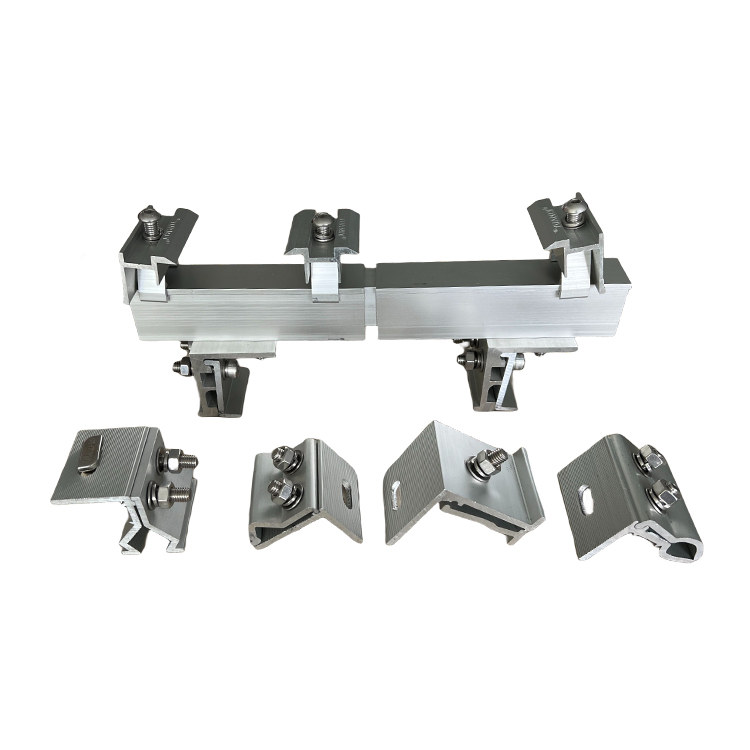
The approved design then moves into the manufacturing stage. Depending on the bracket's structure and requirements, production may involve cutting, punching, CNC machining, stamping, bending, drilling, or other precision processing operations. Modern production equipment helps maintain dimensional consistency across large batches. This is especially important for solar projects because hundreds or thousands of identical brackets may be required, and each component needs to fit the corresponding rails, clamps, fasteners, and support structures correctly. Precision processing is particularly important around connection holes and mounting surfaces. A small deviation in hole position can make installation difficult or require workers to modify components on-site. Consistent bending angles and dimensions also ensure that brackets maintain their intended load-bearing characteristics. By controlling these details during manufacturing, Alliance Solar helps installers reduce adjustment time and achieve more efficient assembly.
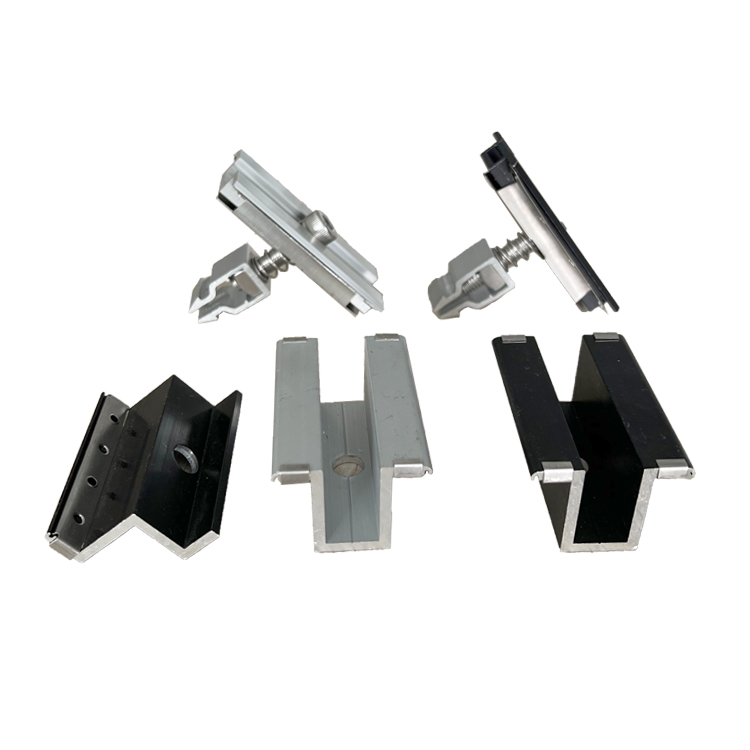
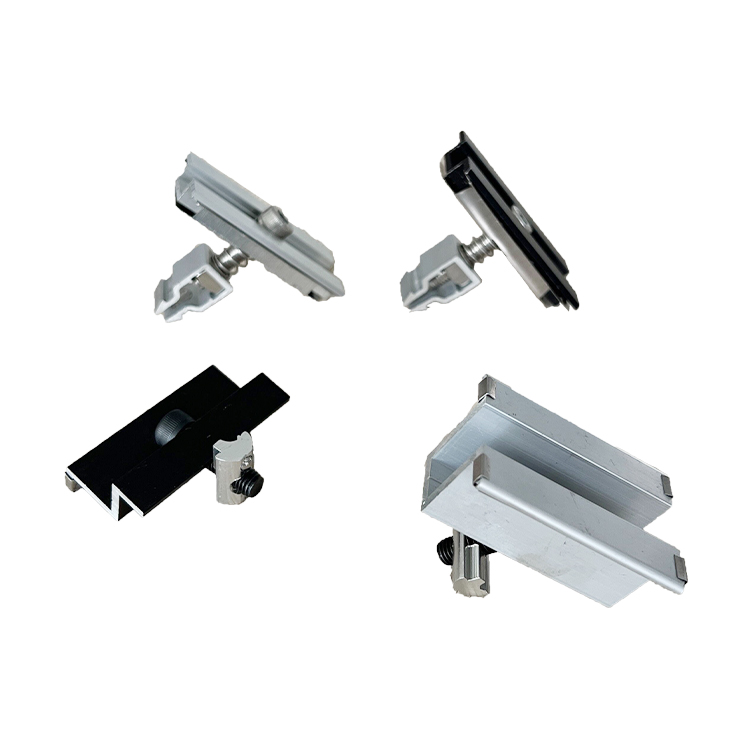
Surface treatment is another important stage in the bracket's journey. Solar mounting components are exposed to rain, humidity, UV radiation, temperature changes, and potentially corrosive environments throughout their service life. Depending on the material and application, components may receive treatments such as anodizing or galvanization to improve corrosion resistance. Surface quality and coating consistency are carefully inspected to help ensure that the finished bracket can withstand its intended operating environment. Quality inspection continues throughout production rather than being limited to the final stage. Workers and quality personnel check dimensions, hole positions, bending accuracy, surface condition, and other critical characteristics at different production stages. If a deviation is identified, corrective action can be taken before large quantities of defective components are produced. This process helps reduce waste while maintaining stable product quality.
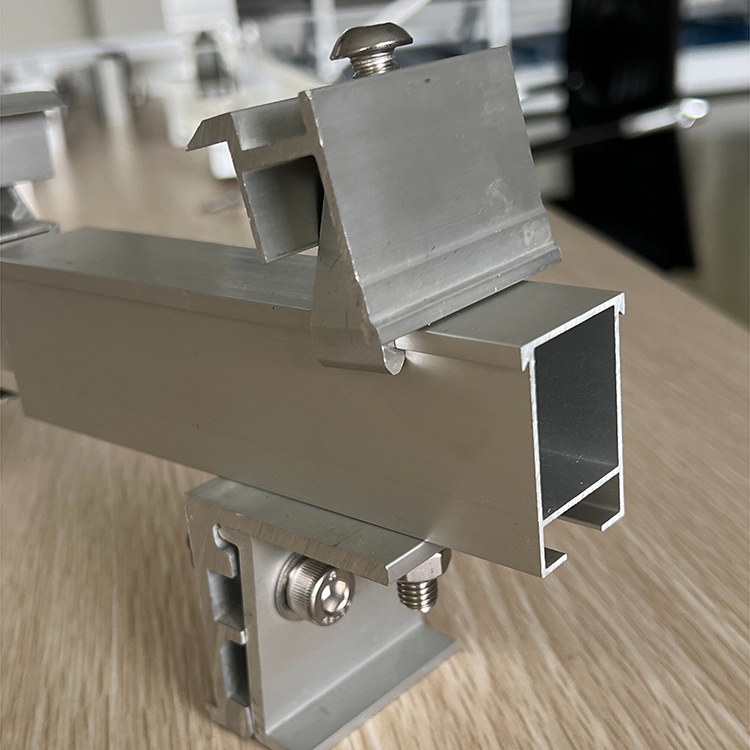
Before shipment, finished brackets undergo final inspection and packaging. The completed components are checked against the approved drawings and specifications to confirm that they meet customer requirements. Packaging is also carefully considered because international transportation can expose products to vibration, impact, moisture, and handling risks. Proper packaging helps prevent deformation, scratches, and other damage before the products reach the installation site. The final destination of the bracket is the solar project itself. Once delivered, installers use the components as part of a larger mounting system supporting photovoltaic modules. A well-manufactured bracket should fit accurately, require minimal adjustment, and provide stable mechanical support. This is where the value of every previous production stage becomes visible: accurate engineering, suitable materials, precision processing, surface protection, and quality inspection all contribute to efficient installation and reliable operation.
At Alliance Solar, we understand that a solar bracket is not simply a piece of processed metal. It is an important part of a larger structural system, and its quality can influence installation efficiency, safety, and long-term performance. With 15 production lines, an 18,000-square-meter manufacturing facility, OEM and ODM capabilities, and experience supporting solar projects in more than 50 countries, we focus on maintaining quality throughout the entire manufacturing journey. From the first design discussion to material selection, precision processing, surface treatment, inspection, and final delivery, every stage has a purpose. By controlling the complete production process, Alliance Solar helps customers receive solar brackets that are accurate, consistent, durable, and ready for efficient installation. This journey from drawing to finished product is what transforms a simple component into a dependable part of a high-performance solar mounting system.