English
The Science Behind Corrosion Resistance in Solar Mounting Systems
Solar power systems are designed to operate outdoors for 25 years or more, continuously exposed to sunlight, rain, humidity, temperature fluctuations, and environmental pollutants. While solar panels often receive the most attention, the durability of the mounting system is equally important for ensuring long-term performance and safety. One of the biggest threats to mounting structures is corrosion. If not properly controlled, corrosion can weaken structural components, increase maintenance costs, and shorten the lifespan of an entire solar installation. Understanding the science behind corrosion resistance helps explain why material selection and protective treatments are critical in solar mounting system design. Corrosion is a natural electrochemical process that occurs when metal reacts with its surrounding environment. In the presence of moisture and oxygen, many metals gradually deteriorate as they form oxides or other chemical compounds. This process can accelerate when additional factors such as salt, industrial pollution, high humidity, or acidic conditions are present. Over time, corrosion reduces material thickness, weakens structural strength, and compromises the reliability of critical connections within a solar mounting system.
The severity of corrosion depends largely on environmental conditions. Solar installations in coastal regions face constant exposure to salt-laden air, which significantly accelerates metal deterioration. Industrial areas may expose structures to airborne chemicals and pollutants that increase corrosion rates. Even inland projects experience challenges from rainwater, condensation, and temperature cycling. Because solar mounting systems must withstand these conditions for decades, corrosion resistance becomes a fundamental requirement rather than an optional feature. One of the most effective ways to combat corrosion is through careful material selection. Aluminum is widely used in solar mounting systems because of its natural corrosion resistance. When exposed to air, aluminum rapidly forms a thin oxide layer on its surface. This oxide layer acts as a protective barrier, preventing further reaction between the metal and the environment. Unlike rust on steel, which can continue spreading, the aluminum oxide layer remains stable and self-repairing if lightly damaged. This property makes aluminum particularly suitable for outdoor solar applications.
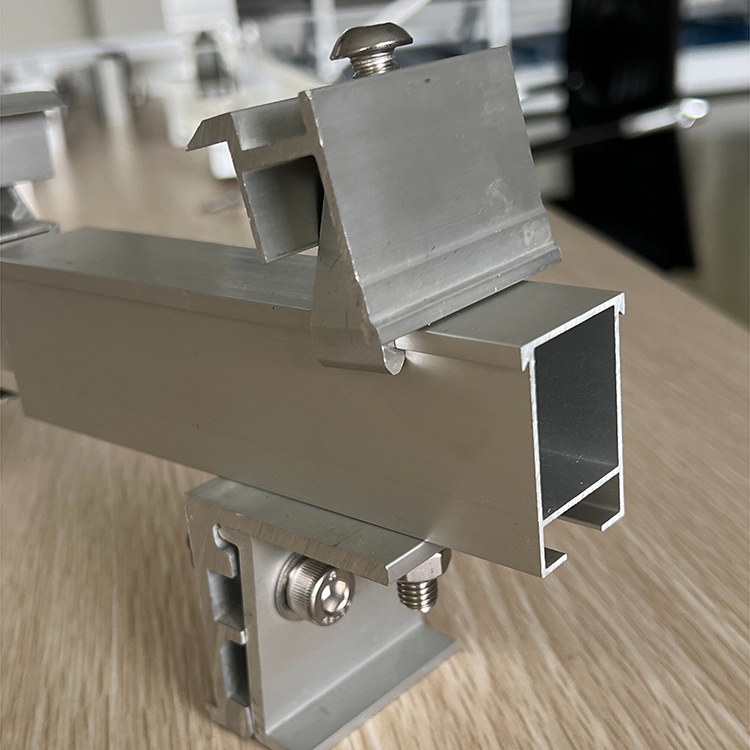
Steel is another common material used in solar mounting structures due to its high strength and load-bearing capability. However, untreated steel is vulnerable to rust when exposed to moisture and oxygen. To improve corrosion resistance, steel components are often protected through hot-dip galvanization. During this process, steel is coated with a layer of zinc, which serves as both a physical barrier and a sacrificial protective layer. Even if the coating is scratched, the zinc corrodes before the underlying steel, helping preserve structural integrity for many years. Anodizing is another widely used surface treatment for aluminum mounting components. This process thickens the natural oxide layer on the aluminum surface through an electrochemical reaction. The resulting coating provides enhanced protection against corrosion, abrasion, and environmental wear. Anodized aluminum is especially valuable in harsh environments where additional durability is required. The treatment also improves the appearance of the material and helps maintain a clean, professional finish throughout the system's lifespan.
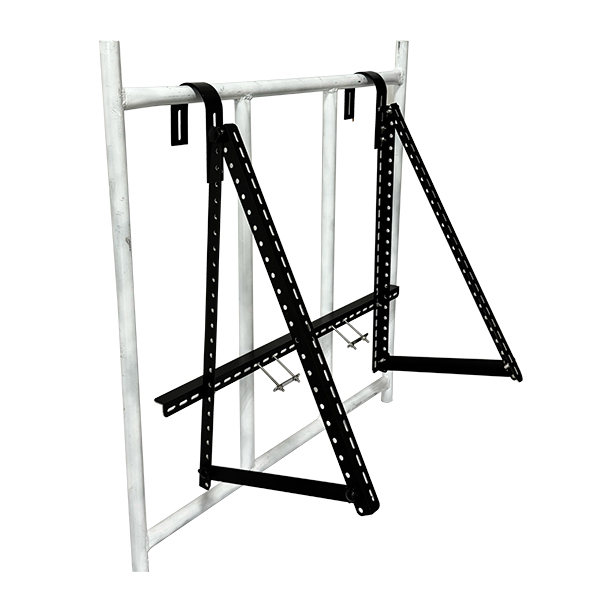
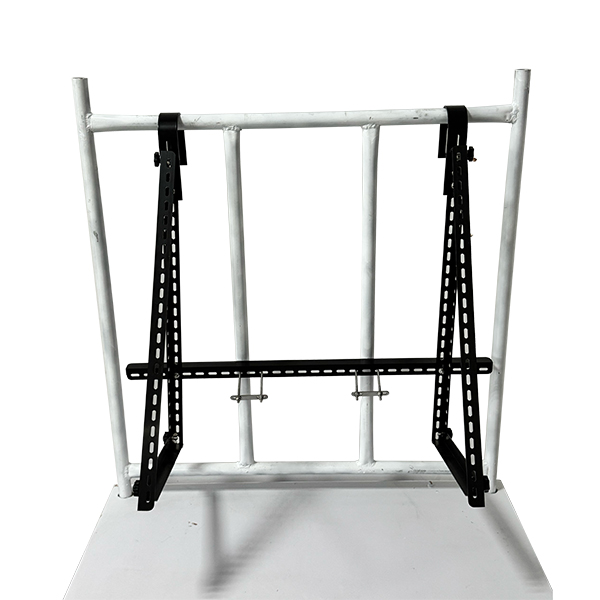
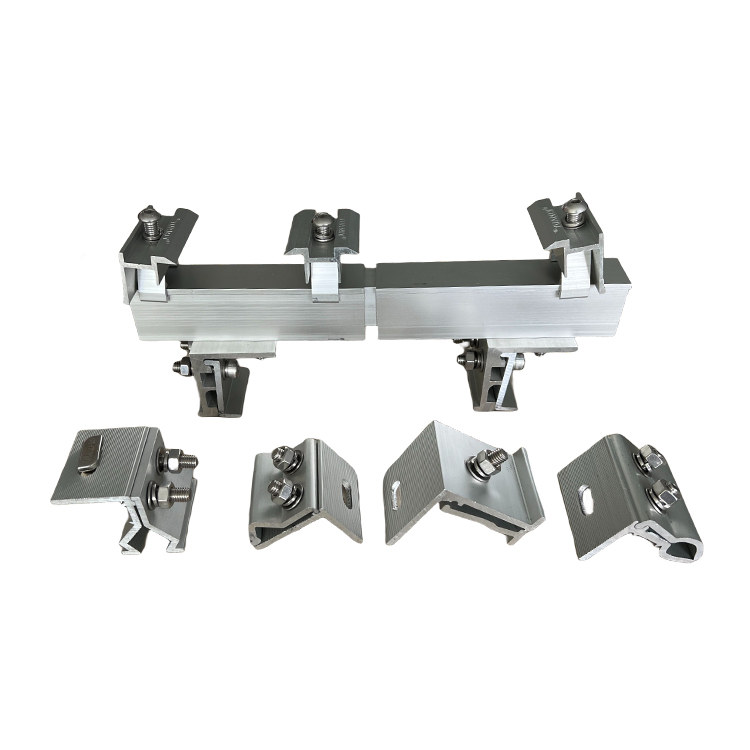
Fasteners represent another important aspect of corrosion protection. Bolts, nuts, washers, and clamps are often exposed to the same environmental conditions as the main structure. If low-quality fasteners are used, corrosion can weaken connection points and compromise overall system stability. Stainless steel fasteners are commonly selected because they contain chromium, which forms a protective oxide layer similar to aluminum. This characteristic allows stainless steel to resist rust and maintain long-term mechanical performance. A less visible but equally important consideration is galvanic corrosion. This occurs when two different metals come into electrical contact in the presence of an electrolyte such as water. One metal becomes more susceptible to corrosion while the other remains protected. Engineers carefully design solar mounting systems to minimize galvanic reactions by selecting compatible materials, using insulating components, or applying protective coatings where necessary. Proper management of galvanic corrosion helps ensure long-term reliability and prevents unexpected material degradation.
Design itself also contributes to corrosion resistance. Well-engineered mounting systems avoid areas where water can accumulate and remain trapped for extended periods. Drainage pathways, ventilation gaps, and smooth surface transitions help reduce moisture retention. By minimizing prolonged exposure to standing water, these design features reduce the likelihood of corrosion development and extend component lifespan. Regular quality control is essential to maintaining corrosion-resistant performance. Material certifications, coating thickness measurements, surface inspections, and environmental testing help verify that mounting components meet required durability standards. Manufacturers that invest in strict quality control procedures provide greater confidence that their products will perform reliably under real-world conditions.
At Alliance Solar, corrosion resistance is a key consideration throughout the design and manufacturing process. By utilizing high-quality aluminum alloys, galvanized steel, corrosion-resistant fasteners, and rigorous quality inspection procedures, we ensure that our mounting systems are built to withstand diverse environmental conditions around the world. Whether installed in coastal regions, industrial zones, deserts, or humid climates, our products are designed to deliver long-term structural reliability and performance. In conclusion, corrosion resistance is one of the most important factors affecting the longevity of solar mounting systems. Through advanced material selection, protective surface treatments, proper engineering design, and strict quality control, modern mounting structures can resist environmental degradation for decades. As solar projects continue to expand globally, understanding and applying the science of corrosion protection will remain essential for ensuring safe, durable, and cost-effective renewable energy installations.