English
How Structural Reliability Influences the ROI of Solar Power Plants
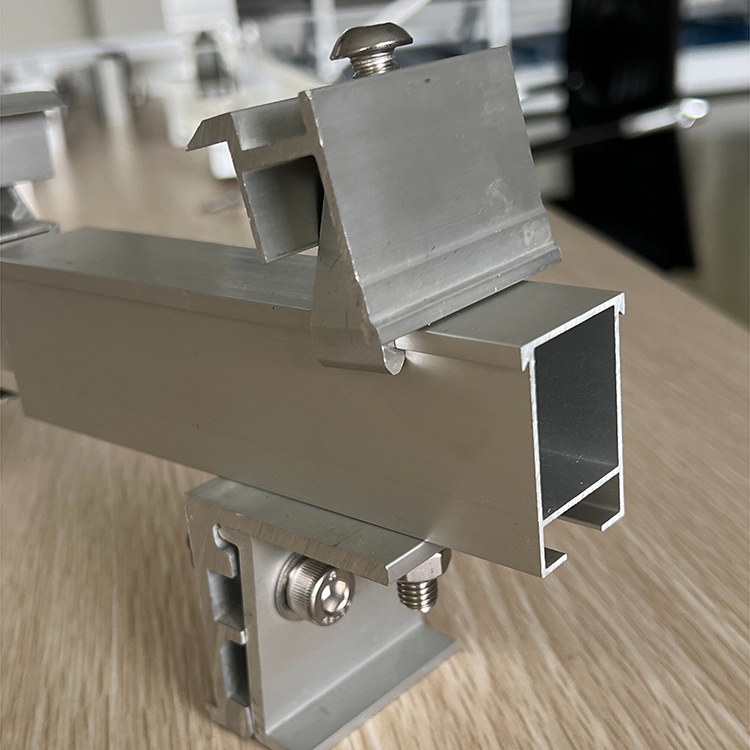
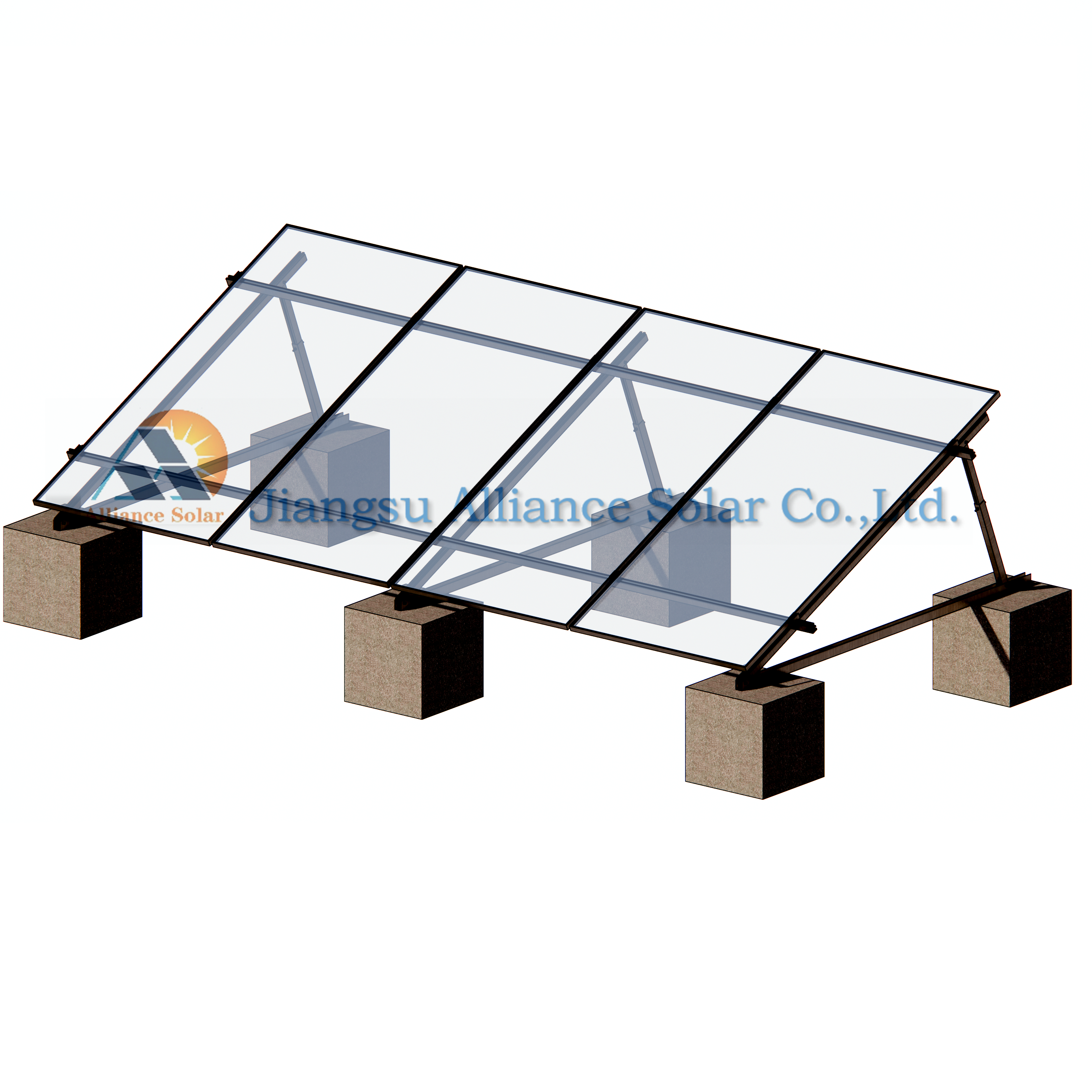
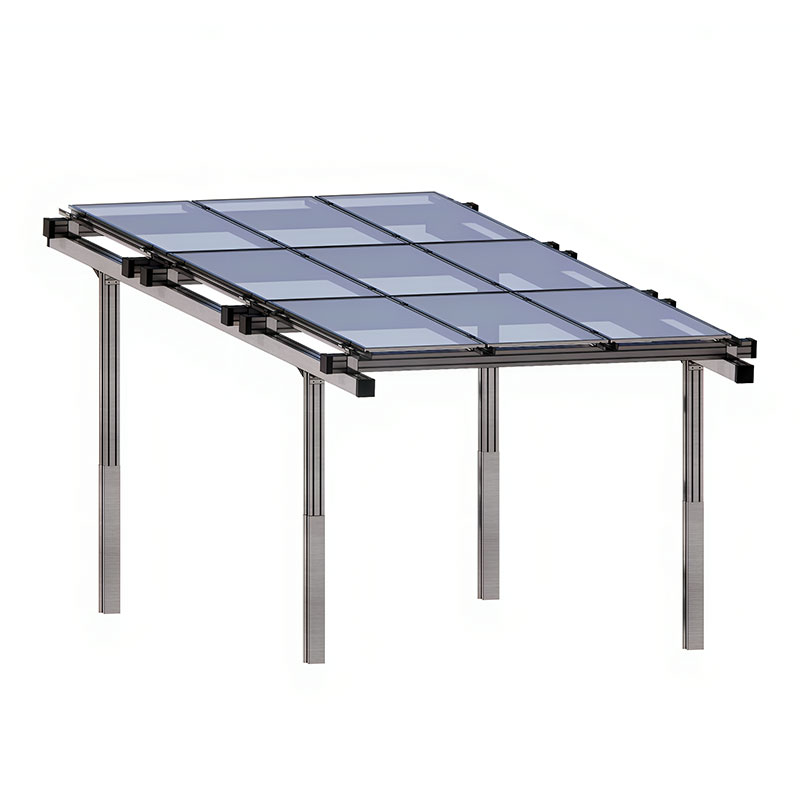
When evaluating the success of a solar power plant, most investors focus on factors such as panel efficiency, energy production, and electricity pricing. While these elements are undoubtedly important, structural reliability is often one of the most critical yet underestimated factors influencing return on investment (ROI). A solar power plant is expected to operate for 25 years or more, and the mounting structure serves as the foundation that supports the entire system throughout its lifecycle. The reliability of this structure directly affects energy generation, maintenance costs, operational stability, and ultimately the financial performance of the project. Structural reliability begins with the ability of a mounting system to securely support solar panels under all environmental conditions. Throughout its lifespan, a solar power plant will experience wind, rain, snow, temperature fluctuations, and in some regions, seismic activity. If the mounting structure is not designed to withstand these forces, components may loosen, deform, or fail, resulting in reduced system performance and unexpected repair expenses. A reliable structure minimizes these risks and ensures continuous operation, helping project owners achieve their expected energy output and revenue targets.
One of the most direct ways structural reliability affects ROI is through energy production consistency. Solar panels must remain correctly positioned to capture sunlight efficiently. If mounting components shift due to poor structural performance, panel alignment can be compromised, reducing solar exposure and lowering energy yield. Even small decreases in annual energy production can have a significant financial impact over the lifetime of a solar project. Reliable mounting systems maintain proper panel positioning year after year, ensuring stable electricity generation and maximizing revenue. Reduced maintenance costs are another major financial benefit of structural reliability. Low-quality or poorly engineered mounting systems often require frequent inspections, tightening of fasteners, replacement of corroded components, or structural repairs. These maintenance activities increase operational expenses and may require temporary system shutdowns. In contrast, a durable and well-designed mounting structure minimizes maintenance requirements, allowing plant operators to focus resources on performance optimization rather than corrective repairs. Lower operating costs contribute directly to improved project profitability.
Structural reliability also helps protect valuable solar equipment. Solar panels and electrical components represent a significant portion of a project's investment. If the mounting system fails, panels can be damaged by excessive movement, vibration, or collapse during extreme weather events. Repairing or replacing damaged equipment can be costly and may result in extended downtime. By providing stable and secure support, reliable mounting structures protect critical assets and reduce the risk of unexpected financial losses. Weather resilience is particularly important when considering long-term ROI. Extreme weather events can have devastating consequences for poorly designed solar installations. High winds, heavy snow loads, and severe storms can cause structural damage that interrupts energy production and requires costly repairs. Mounting systems engineered for local environmental conditions significantly reduce these risks. A structure that can withstand extreme weather helps ensure uninterrupted operation and protects projected cash flow throughout the life of the power plant.
Installation quality and structural precision also influence project economics. Mounting systems with consistent dimensions and accurate engineering simplify installation, reducing labor costs and shortening construction timelines. Faster project completion means that power generation begins sooner, allowing investors to generate revenue earlier. Reliable structures also reduce the likelihood of installation errors that could lead to future performance issues or warranty claims. Financing institutions increasingly consider structural reliability when assessing solar project risk. Investors and lenders prefer projects that utilize certified mounting systems with proven performance records. Reliable structures reduce operational uncertainty and improve confidence in long-term energy production forecasts. As a result, projects built with high-quality mounting systems may have better access to financing opportunities and more favorable investment conditions.
Material durability plays an equally important role in maximizing ROI. Corrosion-resistant aluminum, galvanized steel, and high-quality stainless steel fasteners help maintain structural integrity over decades of exposure to harsh outdoor environments. Durable materials reduce replacement costs and ensure that the mounting system continues to perform effectively throughout the project's expected lifespan. Long-lasting structures contribute to lower lifecycle costs and stronger overall financial returns. In addition, structural reliability supports the long-term value of the solar asset itself. Investors often evaluate not only annual revenue but also the residual value of a power plant over time. A well-maintained and structurally sound installation retains greater value because it presents lower operational risk and stronger future performance potential. This can be especially important when projects are refinanced, sold, or transferred to new owners.
In conclusion, structural reliability is a fundamental driver of ROI in solar power plants. It influences energy production consistency, maintenance expenses, equipment protection, weather resilience, financing confidence, and long-term asset value. While mounting systems represent only one part of a solar installation, their performance affects every aspect of project economics. By investing in high-quality, engineered mounting structures, project owners can reduce risk, improve operational stability, and maximize financial returns over the entire lifecycle of the solar power plant.