English
Solving On-Site Challenges: Real Examples from International Solar Projects
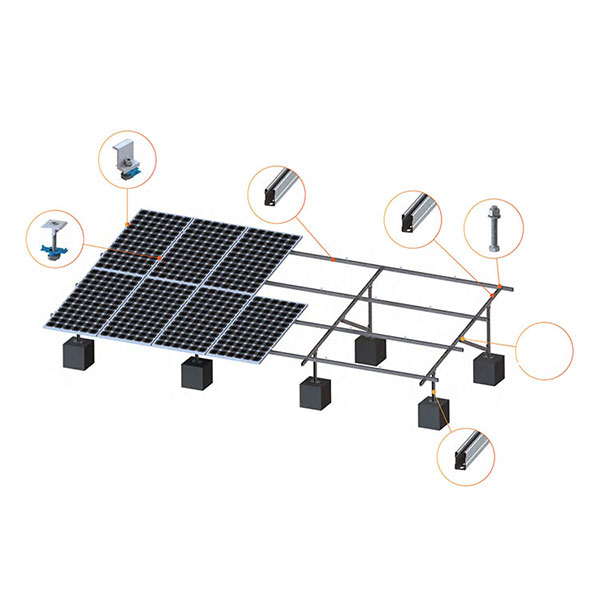
In international solar projects, success is determined not only by design and manufacturing but also by how effectively on-site challenges are managed. Every installation environment presents unique conditions—ranging from extreme weather and complex terrain to tight construction schedules and unexpected structural constraints. For EPC contractors and installers, the ability to quickly identify and resolve these challenges is critical. With extensive global experience, Alliance Solar has supported projects across more than 50 countries, helping customers overcome real-world installation issues with practical, engineering-driven solutions. One common challenge faced on international sites is uneven terrain. In a large ground-mounted project in Southeast Asia, installers encountered significant elevation differences across the site, making it difficult to maintain consistent panel alignment. Standard mounting systems would have required extensive ground leveling, increasing both cost and construction time. Alliance Solar provided an adjustable mounting solution using variable-length support structures and modular connections. This allowed the system to follow the natural contours of the land while maintaining optimal tilt angles and structural stability. As a result, the project avoided costly civil work and achieved faster installation progress.
In coastal regions, corrosion is often a major concern. In a project located near a high-salinity shoreline, mounting components were at risk of rapid degradation due to salt exposure and humidity. To address this, Alliance Solar supplied mounting systems made from anodized aluminum and hot-dip galvanized steel, along with stainless steel fasteners. These materials provided enhanced resistance to corrosion, ensuring long-term durability. By selecting the right materials at the beginning, the project avoided future maintenance issues and extended the system’s operational lifespan. Wind resistance is another frequent challenge, especially in areas prone to storms or typhoons. In a project in a high-wind zone, initial installation plans revealed potential risks of uplift forces on the panels. Alliance Solar’s engineering team conducted a detailed load analysis and optimized the mounting design by reinforcing connection points and adjusting the structural layout. Additional anchoring measures were implemented to improve stability. These modifications ensured that the system could withstand extreme wind conditions while maintaining safety and performance standards.
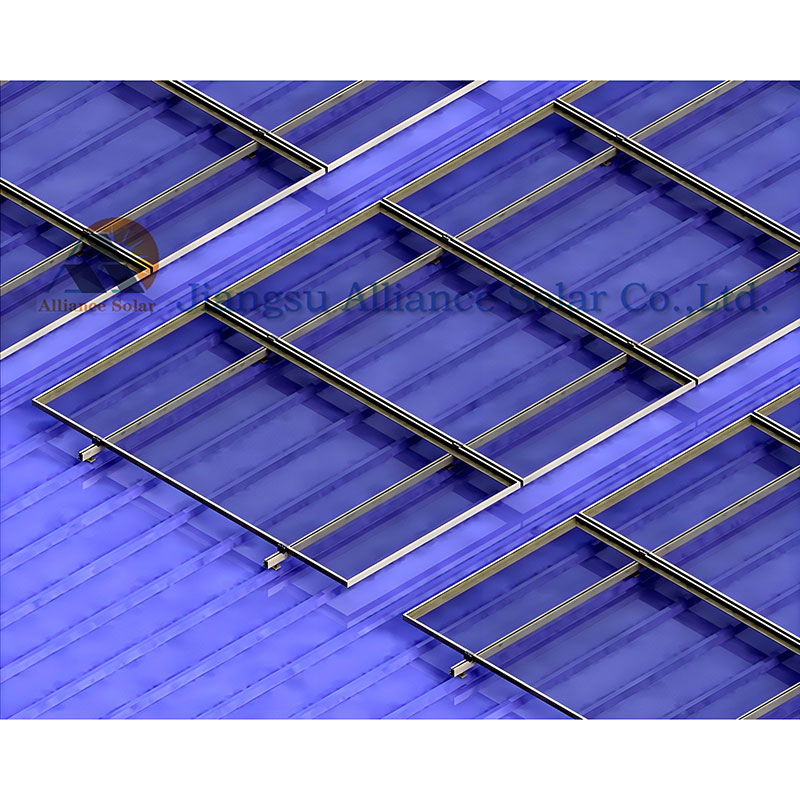
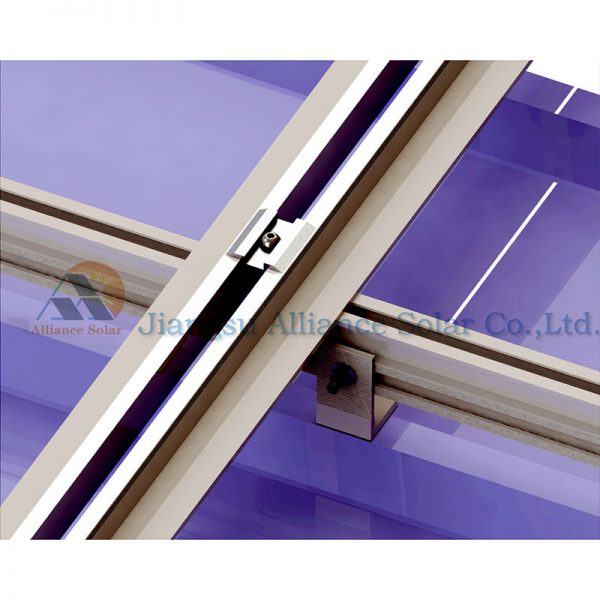
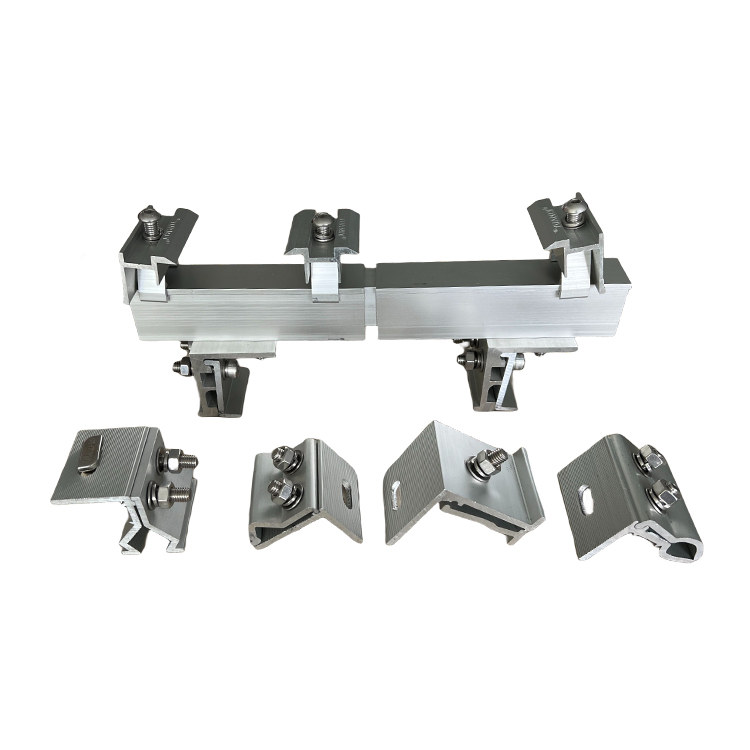
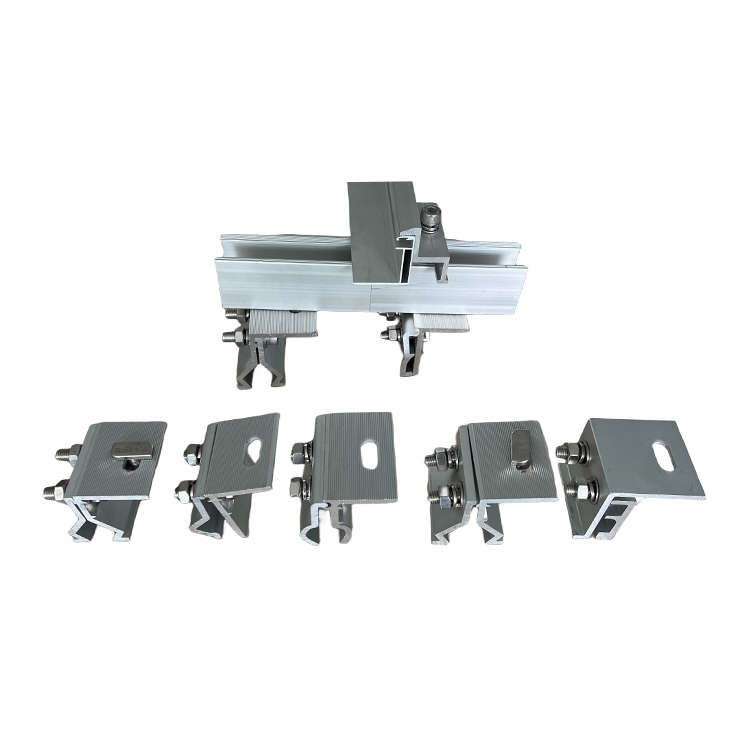
Roof limitations can also create installation difficulties in commercial and industrial projects. In one case, a factory rooftop in Europe had limited load-bearing capacity, making it unsuitable for heavy mounting structures. Instead of reinforcing the building, which would have increased costs, Alliance Solar designed a lightweight aluminum mounting system with optimized load distribution. The solution reduced stress on the roof while maintaining structural integrity and performance, allowing the project to proceed without major structural modifications. Another real-world challenge involves installation efficiency under tight deadlines. In a large-scale project in Australia, the EPC contractor faced a strict timeline and limited labor resources. To support faster installation, Alliance Solar provided pre-assembled components and clearly labeled packaging organized according to installation sequence. Detailed installation manuals and remote technical support were also provided. This streamlined approach significantly reduced on-site assembly time and helped the contractor complete the project within the required schedule.
Unexpected site conditions can also arise during construction. In a Middle Eastern project, installers encountered harder-than-expected soil conditions that made traditional foundation methods difficult. Alliance Solar quickly adapted the solution by recommending alternative foundation systems better suited to the soil type. This flexibility allowed the project to continue without major delays, demonstrating the importance of responsive technical support in dynamic field conditions. Communication and technical support play a crucial role in solving these on-site challenges. Across all international projects, Alliance Solar maintains close collaboration with EPC teams and installers, providing real-time guidance when issues arise. Whether through remote consultation or direct engineering support, our team ensures that problems are addressed quickly and effectively, minimizing downtime and preventing costly rework.
These real-world examples highlight that successful solar projects depend not only on product quality but also on the ability to adapt to changing conditions on-site. Every challenge—whether related to terrain, weather, structure, or logistics—requires a combination of engineering expertise, practical experience, and responsive support. By understanding the realities of field installation, Alliance Solar delivers solutions that go beyond standard products, helping customers achieve reliable and efficient project execution. In conclusion, solving on-site challenges is a critical part of delivering successful international solar projects. Through flexible design, material optimization, fast technical response, and strong collaboration with customers, Alliance Solar ensures that installation obstacles are transformed into manageable solutions. This commitment to problem-solving not only keeps projects on track but also strengthens long-term system performance, reinforcing Alliance Solar’s role as a trusted partner in the global solar industry.