English
The Role of Fasteners in Solar Mounting Safety and Performance
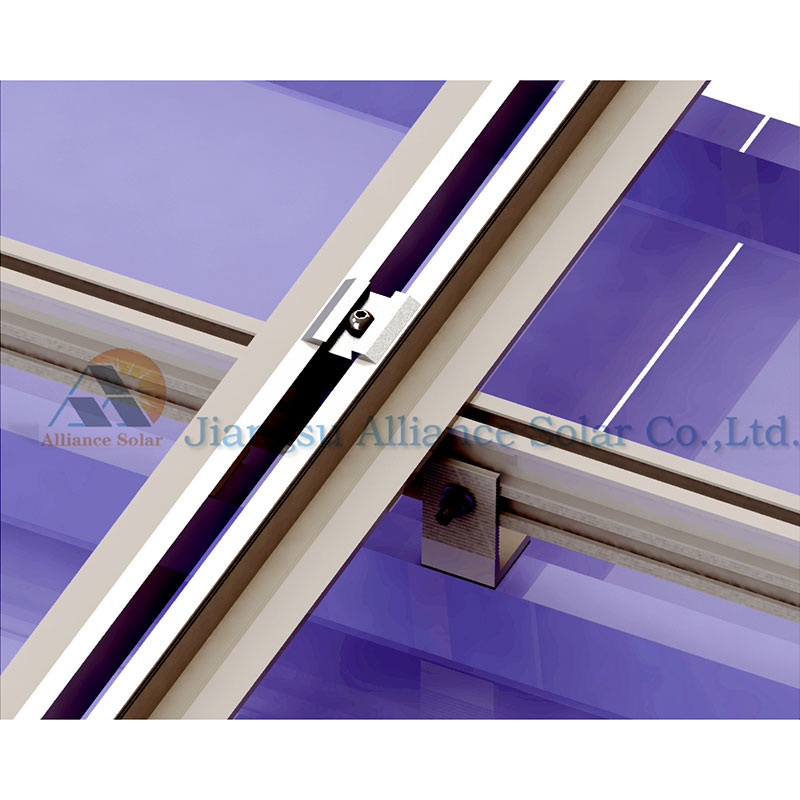
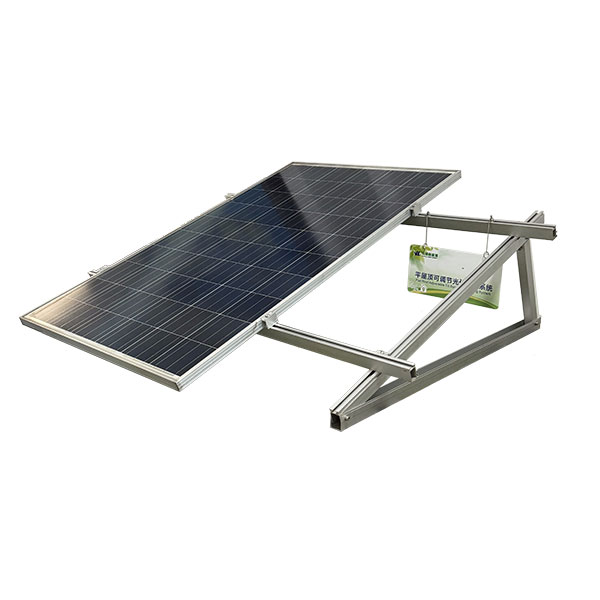
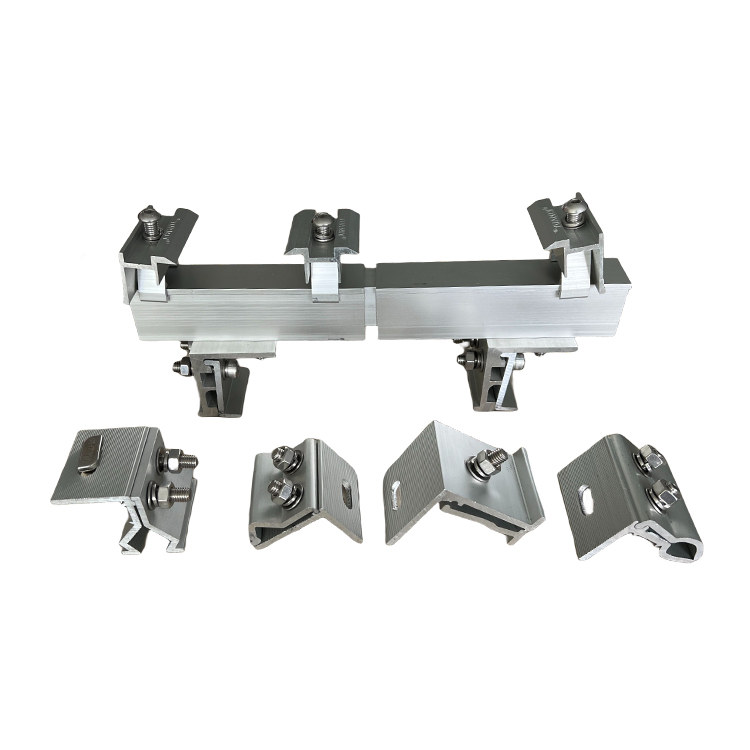
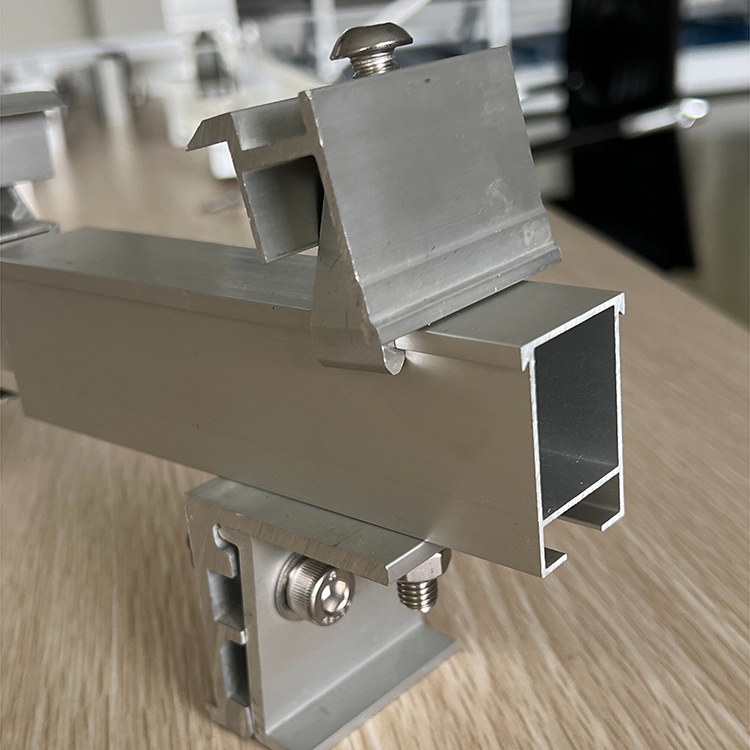
In solar mounting systems, fasteners may appear to be small and simple components, but they play a critical role in ensuring structural safety, stability, and long-term performance. Bolts, nuts, washers, clamps, and anchoring screws are responsible for holding the entire mounting structure together. Without reliable fastening solutions, even the strongest aluminum rails or steel brackets cannot maintain system integrity under environmental stress. For this reason, fasteners are not minor accessories—they are fundamental elements in the overall engineering of a safe and durable solar installation. One of the primary functions of fasteners in solar mounting systems is to secure structural connections under dynamic loads. Solar arrays are constantly exposed to wind pressure, vibration, temperature fluctuations, and in some regions, snow accumulation or seismic activity. These forces create tension, compression, and shear stress at connection points. High-quality fasteners are designed to withstand these stresses without loosening, deforming, or failing over time. Proper torque control and accurate thread design ensure that connections remain tight and secure throughout the system’s operational life.
Material selection is especially important for fastener reliability. Solar installations are typically expected to last 25 years or more, which means fasteners must resist corrosion and environmental degradation. Stainless steel fasteners are widely used because of their excellent resistance to rust, especially in humid, coastal, or industrial areas. In some applications, hot-dip galvanized bolts are selected for heavy-duty structural connections. Using corrosion-resistant materials prevents structural weakening, protects load-bearing capacity, and reduces the need for maintenance or replacement. Fasteners also play a key role in load distribution across the mounting system. Properly engineered bolts and clamps ensure that forces are evenly transferred between rails, brackets, and panel frames. Uneven load distribution can lead to localized stress points, which may cause deformation or even micro-cracks in solar panel frames. By using precision-designed clamping systems and compatible fasteners, mounting structures maintain uniform pressure and structural balance, protecting both the panels and the support system.
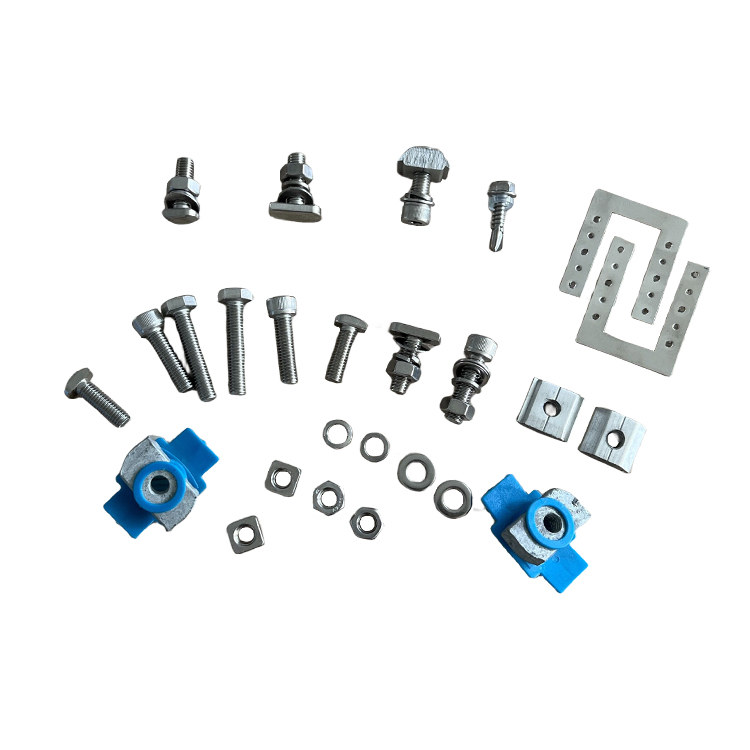
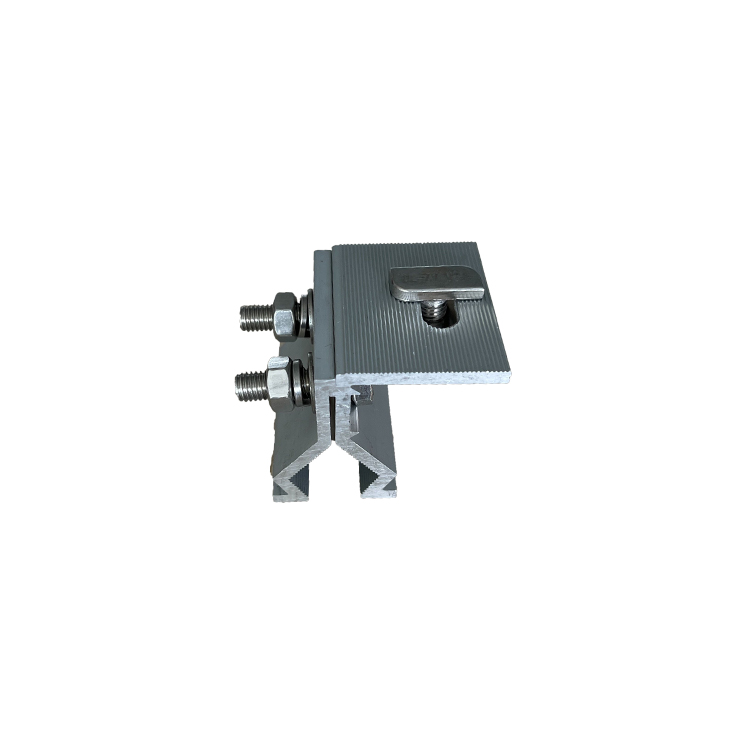
Another important aspect of fastener performance is vibration resistance. Wind-induced vibration and thermal expansion can gradually loosen poorly designed or improperly installed fasteners. Anti-loosening solutions such as spring washers, lock nuts, serrated flanges, and self-locking thread designs are essential in preventing gradual loss of clamping force. These design features ensure that fasteners maintain their holding strength even under continuous movement and temperature cycling. Installation accuracy also significantly influences fastener performance. Even the highest-quality bolt can fail if it is improperly tightened or installed at an incorrect angle. That is why well-designed solar mounting systems include standardized fastener types, clear torque specifications, and intuitive connection methods. Pre-assembled components and unified fastening systems reduce the risk of installation errors and improve efficiency on-site. Clear technical guidance helps installers apply the correct torque and follow proper assembly sequences, ensuring long-term reliability.
Safety is another major reason why fasteners must be carefully engineered and selected. A loose or failed connection can compromise the stability of the entire solar array, potentially leading to panel displacement or structural damage during extreme weather events. In commercial and large-scale installations, fastening integrity is directly related to compliance with structural and safety standards. Reliable fasteners help ensure that mounting systems meet international certifications and pass load testing requirements. In addition to structural safety, fasteners also influence long-term maintenance costs. High-quality fastening systems reduce the likelihood of periodic tightening, corrosion replacement, or unexpected repairs. This improves overall system reliability and reduces operational interruptions. Over the lifespan of a solar power plant, durable fastening solutions contribute significantly to lower maintenance expenses and improved return on investment.
In conclusion, fasteners are essential components that directly impact solar mounting safety and performance. They secure structural connections, distribute loads evenly, resist vibration and corrosion, and ensure long-term stability under extreme environmental conditions. While often overlooked, fasteners represent a critical engineering detail that determines the overall reliability of a solar installation. By selecting high-quality materials, applying precise torque control, and integrating anti-loosening designs, solar mounting systems achieve stronger performance, improved safety, and extended service life—proving that even the smallest components play a vital role in powering the future of renewable energy.