English
Optimizing Tilt Angle Through Mounting Design to Maximize Energy Yield
In any solar power system, energy production is influenced not only by panel efficiency but also by how effectively the panels are positioned toward the sun. One of the most critical yet often underestimated factors is tilt angle. The tilt angle of a solar panel determines how much solar radiation it can capture throughout the year. With a well-designed solar mounting structure, tilt angle optimization becomes a powerful tool to significantly improve overall energy yield and long-term project returns. Tilt angle refers to the angle between the solar panel surface and the horizontal ground. This angle directly affects how sunlight strikes the panel surface. When sunlight hits the panel more directly, energy absorption is maximized. If the angle is poorly designed, panels may suffer from reflection losses, reduced exposure during key daylight hours, and lower annual power generation. Therefore, mounting system design plays a decisive role in achieving optimal tilt angles for different project conditions.
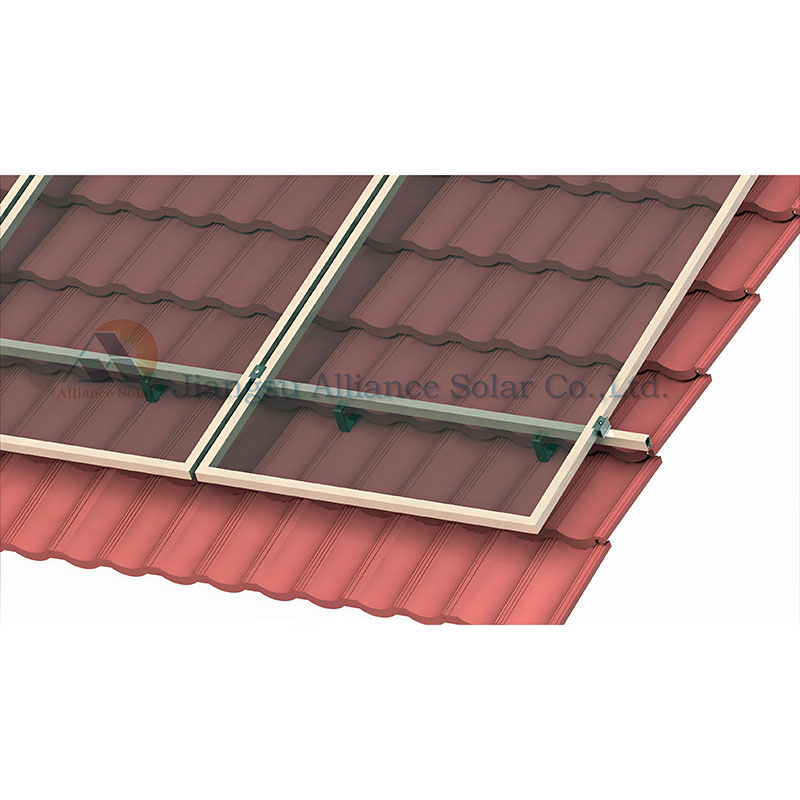
Geographic location is the first consideration in tilt angle optimization. Solar projects closer to the equator generally require lower tilt angles, while installations at higher latitudes benefit from steeper angles to capture sunlight efficiently, especially during winter months. A professionally engineered mounting system allows tilt angles to be adjusted based on latitude, ensuring panels are positioned to receive the highest possible solar irradiance throughout the year. This customized approach helps balance seasonal variations and stabilize annual energy output. Roof type and site conditions also influence tilt angle decisions. Flat roofs, for example, provide flexibility to design mounting systems with optimal tilt angles independent of the building structure. Through well-engineered ballasted or fixed-tilt mounting systems, panels can be angled to maximize exposure while maintaining roof safety and load distribution. For metal roofs or sloped roofs, mounting brackets must align with existing roof angles, or subtly adjust panel tilt to enhance performance without compromising structural integrity.
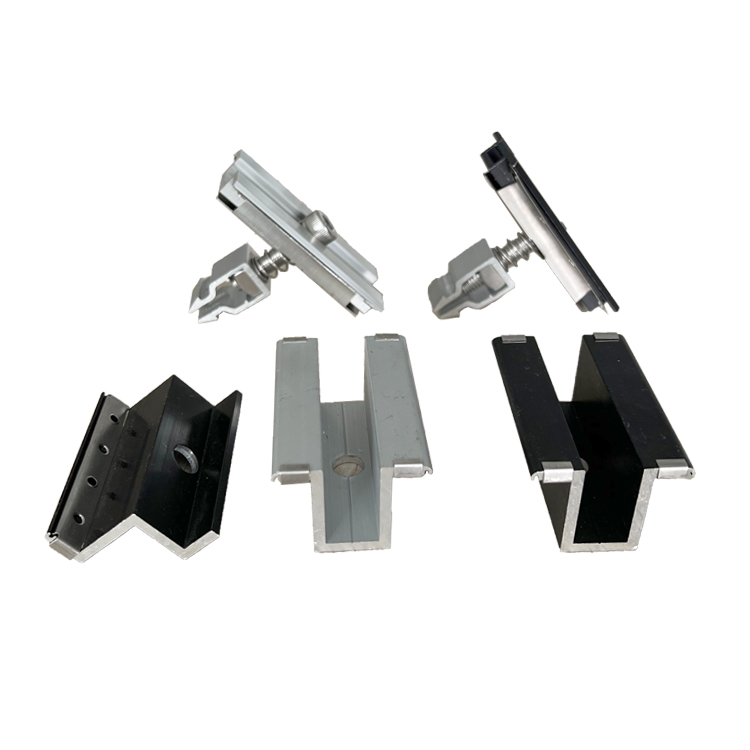
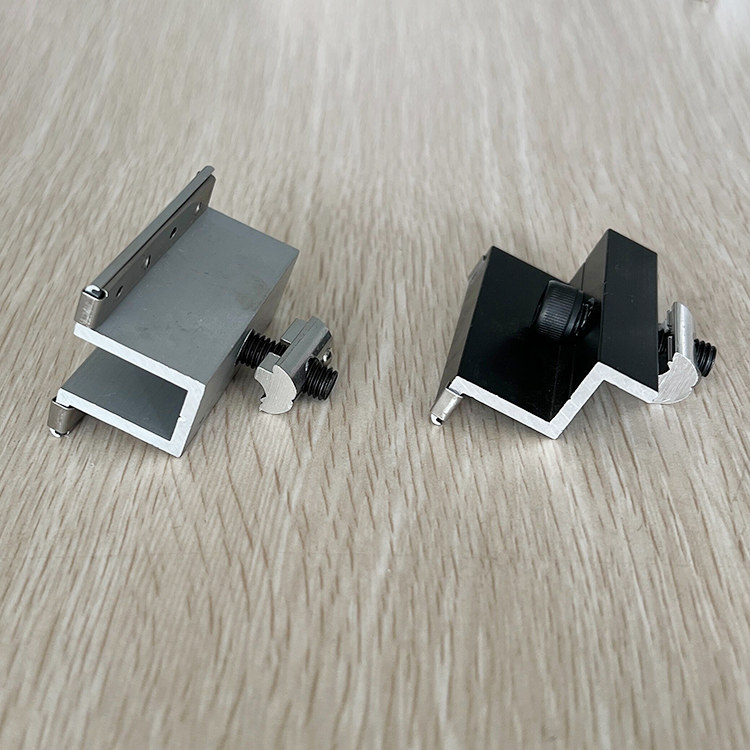
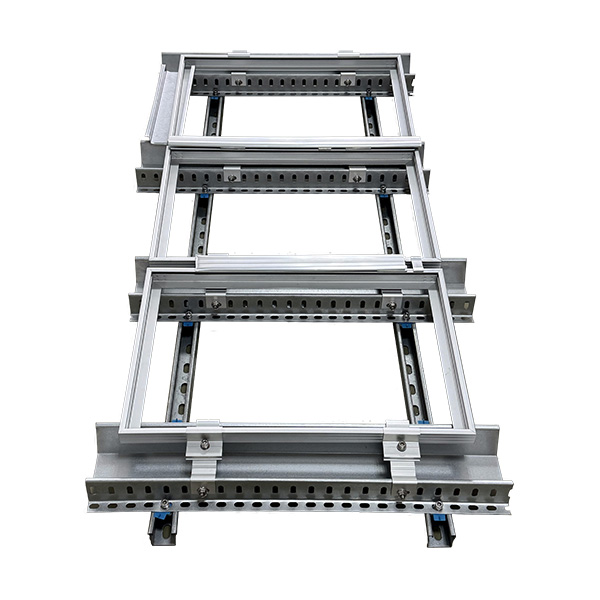
Mounting design also affects row spacing and shading control, which are closely related to tilt angle. Panels installed at steeper angles require adequate spacing to prevent shading between rows, especially during early morning and late afternoon hours. A properly designed mounting structure considers tilt angle together with array layout, ensuring that panels do not cast shadows on one another. This thoughtful integration improves system efficiency and avoids hidden energy losses that can accumulate significantly over time. Another important benefit of optimized tilt angle through mounting design is improved self-cleaning performance. Panels installed at an appropriate angle allow rainwater to wash away dust, dirt, and debris more effectively. This reduces soiling losses and lowers maintenance requirements. In regions with limited rainfall or dusty environments, mounting systems can be designed with slightly increased tilt angles to help maintain cleaner panel surfaces and consistent energy output.
Structural stability must always go hand in hand with tilt optimization. Increasing tilt angle can improve energy yield, but it also increases wind load and structural stress. High-quality solar mounting systems are engineered to balance these factors through accurate load calculations and material selection. By using robust aluminum or steel structures and precise connection designs, mounting systems can safely support optimal tilt angles while withstanding strong winds, heavy snow, and extreme weather conditions. Fixed-tilt and adjustable-tilt mounting systems each offer unique advantages. Fixed-tilt systems are cost-effective, simple to install, and ideal for large-scale projects with long-term performance goals. Adjustable-tilt systems allow seasonal angle changes, offering higher energy yield in specific climates but requiring more maintenance. The right mounting design helps project owners choose the most suitable option based on budget, location, and operational strategy.
From an economic perspective, optimizing tilt angle through mounting design directly improves return on investment. Even small increases in annual energy production can translate into significant financial gains over the lifespan of a solar power plant. A mounting system that is precisely designed for tilt optimization helps shorten payback periods and enhances the long-term value of the project without increasing panel costs. In conclusion, tilt angle optimization is a key factor in maximizing solar energy yield, and it can only be fully achieved through intelligent mounting system design. By considering geographic location, roof type, shading, maintenance needs, and structural safety, well-engineered solar mounting systems enable panels to operate at their highest potential. At Alliance Solar, tilt angle optimization is integrated into every design process, ensuring that each mounting solution supports maximum energy production, long-term reliability, and sustainable project success.