English
Our Approach to Global Customer Communication and Custom Requirements
Solar energy is expanding rapidly across the world, with installations now appearing in a wide variety of environments—from hot deserts and tropical coastlines to snowy mountains and windy plains. As solar deployment grows globally, mounting system design must evolve to meet the demands of these diverse climates. A solar mounting structure is not simply a frame that holds panels in place; it is a carefully engineered system that must protect the panels and maintain stability under many environmental stresses. Modern solar mounting design is increasingly focused on adapting to global climate diversity to ensure long-term safety, durability, and efficient energy production. One of the most significant challenges for solar mounting systems is wind resistance. In coastal areas, open landscapes, and regions prone to typhoons or hurricanes, solar installations must withstand strong uplift forces and powerful gusts. Engineers design mounting structures with reinforced brackets, stronger anchoring systems, and optimized structural layouts to minimize wind pressure. Aerodynamic mounting designs can reduce drag and help air flow smoothly across panel surfaces. By carefully calculating wind loads based on regional weather data and engineering standards, mounting systems are built to remain stable even during extreme weather events.
Snow load is another important factor affecting mounting design in colder climates. In regions where heavy snowfall is common, solar panels and their support structures must carry additional weight for extended periods. To address this, mounting systems are designed with stronger rails, thicker support materials, and carefully spaced structural connections that distribute weight evenly. Higher tilt angles are often used in snowy areas to allow snow to slide off the panels naturally. This not only protects the mounting system from excessive pressure but also helps restore energy production more quickly after snowfall. Temperature fluctuations also influence solar mounting design. In desert climates or areas with large seasonal temperature variations, materials expand and contract due to thermal changes. Over time, repeated expansion and contraction can weaken poorly designed structures. Modern mounting systems incorporate flexible connection points and slotted mounting holes that allow controlled movement while maintaining structural strength. High-quality aluminum alloys and galvanized steel are commonly used because they maintain stability and mechanical performance under both high heat and cold conditions.
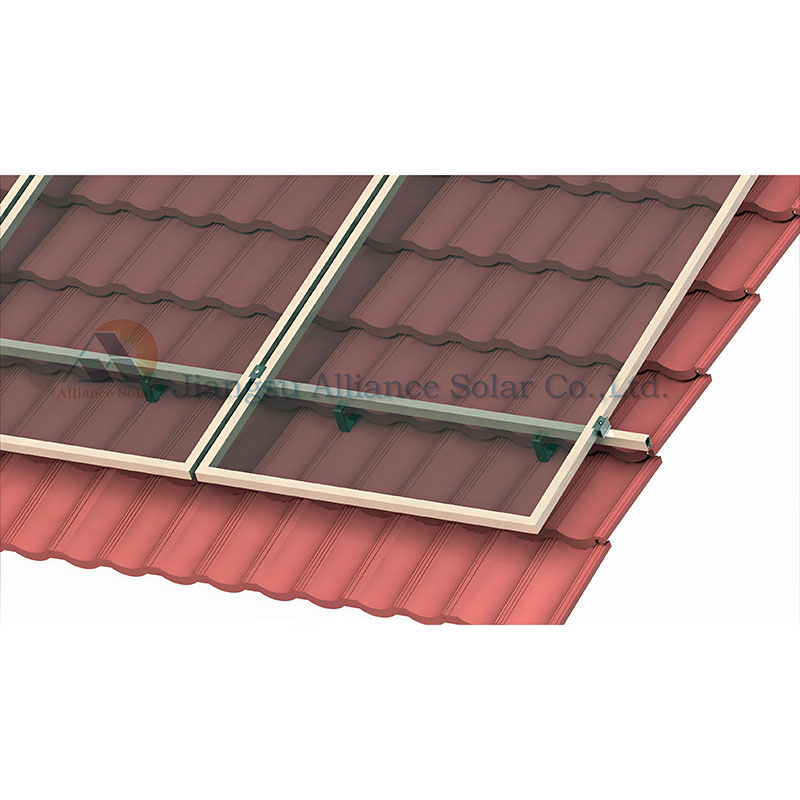
Corrosion resistance is especially critical for installations located near oceans or in humid climates. Salt, moisture, and industrial pollutants can accelerate metal corrosion, weakening structural components and reducing system lifespan. To overcome this challenge, modern mounting systems use corrosion-resistant materials and protective surface treatments. Aluminum structures with anodized coatings and steel components treated with hot-dip galvanization provide strong protection against environmental damage. Stainless steel fasteners are also commonly used to prevent rust at connection points and maintain long-term structural integrity. In addition to climate-related stresses, mounting systems must also adapt to different terrain conditions. Solar projects are often installed on uneven ground, sloped landscapes, or complex rooftops. Adjustable mounting structures allow installers to adapt the tilt angle and alignment of solar panels to maximize sunlight exposure while maintaining stability. Flexible design solutions help ensure that mounting systems perform effectively regardless of site conditions or geographical location.
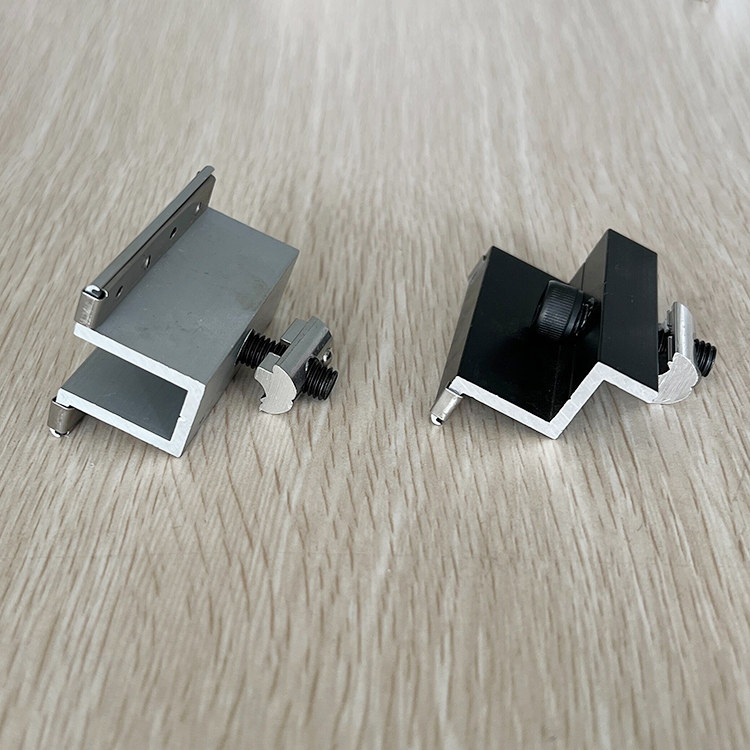
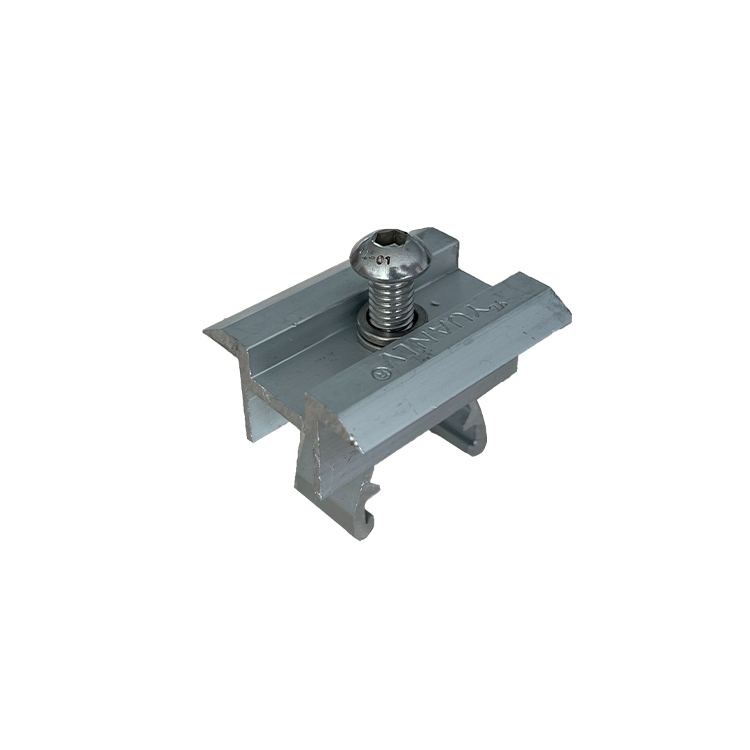
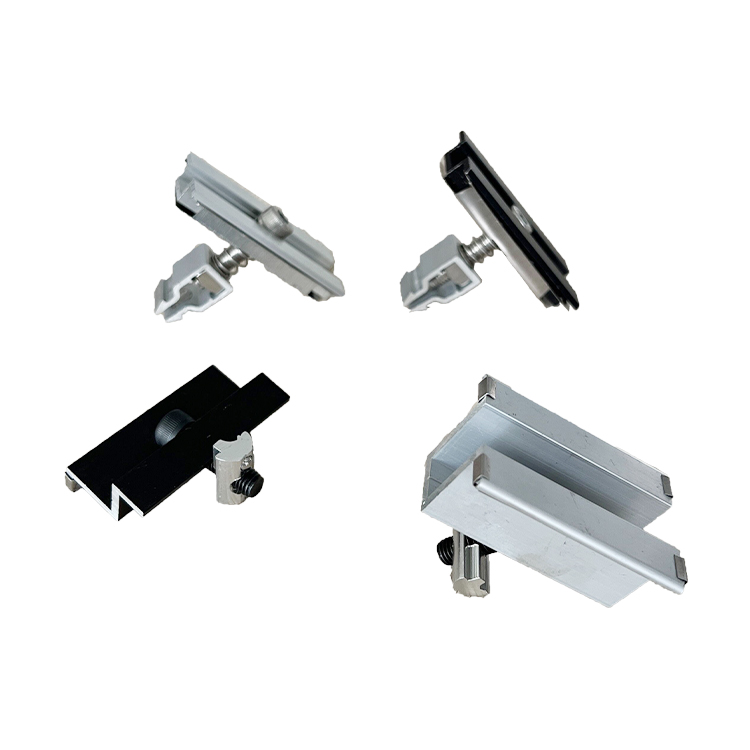
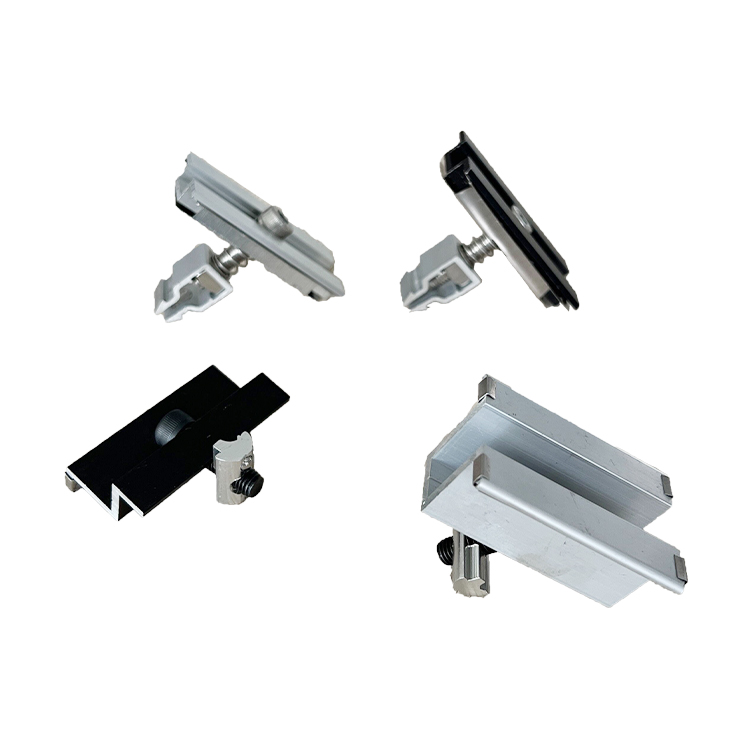
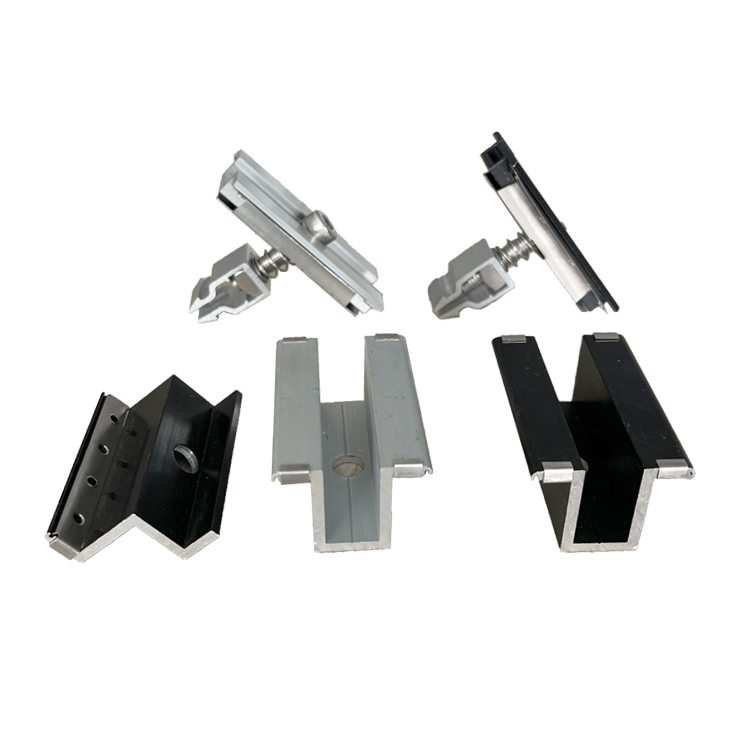
Another important development in climate-adaptive mounting design is modular engineering. Modern solar mounting systems are often built with modular components that can be easily adjusted for different climates and installation environments. Modular rails, brackets, and clamps allow engineers to modify system configurations quickly without requiring completely new designs for every project. This flexibility simplifies installation, improves efficiency, and allows mounting systems to be tailored to specific regional needs. Technological advancements have also improved the way mounting systems are designed for diverse climates. Advanced engineering software allows designers to simulate wind pressure, snow accumulation, and thermal stress during the design stage. By analyzing these factors before manufacturing begins, engineers can optimize mounting structures for maximum strength and durability. This data-driven approach helps prevent structural failures and ensures that systems perform reliably over their expected lifespan of 25 years or more.
Ultimately, adapting solar mounting systems to global climate diversity is essential for ensuring long-term project success. Each region presents unique environmental challenges, and mounting structures must be engineered accordingly to protect both the panels and the overall system investment. Strong structural design, durable materials, flexible installation solutions, and advanced engineering analysis all contribute to mounting systems that can withstand extreme conditions while maintaining efficient energy production. As solar power continues to expand worldwide, the ability to design mounting systems that perform reliably in different climates will remain a key factor in industry innovation. By focusing on climate-adaptive engineering, manufacturers can help ensure that solar power systems operate safely, efficiently, and sustainably in every corner of the world.